
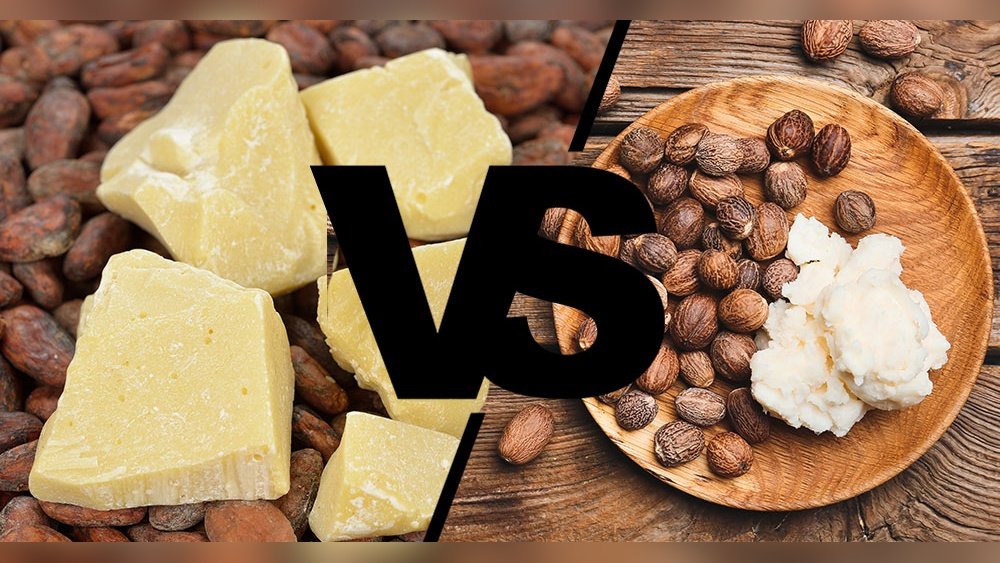
Shea Butter Vs Cocoa Butter: Which Is Better?
When it comes to natural skincare, shea butter and cocoa butter are two popular choices. Both are famous for their moisturizing abilities and skin benefits. People often wonder which one is better. The answer depends on your skin type, needs, and preferences. In this guide, you’ll learn how these butters compare, their uses, and which may suit you best.
Origins And Composition
Shea butter comes from the nuts of the shea tree found in West Africa. It’s extracted and processed to create a creamy substance. Cocoa butter is made from cocoa beans, the same source as chocolate. It has a rich, chocolate scent and is solid at room temperature.
Here’s a quick look at their main ingredients:
| Butter | Main Components | Source |
|---|---|---|
| Shea Butter | Fatty acids, vitamins A & E | Shea tree nuts (West Africa) |
| Cocoa Butter | Fatty acids, polyphenols | Cocoa beans (South America/Africa) |
Both butters are rich in oleic, stearic, and palmitic acids. Shea butter also contains vitamin A and vitamin E, while cocoa butter has unique polyphenols that help with skin elasticity.
Skin Benefits Compared
Shea and cocoa butter are both excellent for dry skin, but their effects can be different.
| Benefit | Shea Butter | Cocoa Butter |
|---|---|---|
| Moisturizing | Deep hydration, fast absorption | Long-lasting, forms protective layer |
| Healing | Reduces inflammation, helps eczema | Improves skin elasticity, soothes scars |
| Scent | Nutty, mild | Rich, chocolate aroma |
| Allergy risk | Low | Moderate (from cocoa) |
Shea butter is often used for eczema, psoriasis, and dry patches. Cocoa butter is popular in stretch mark creams and products for scar fading.

Credit: www.kraftchemical.com
Texture And Application
The texture of the butter can affect how you use it.
- Shea butter is softer, melts easily in your hands, and absorbs quickly. It works well as a daily moisturizer and is less likely to clog pores.
- Cocoa butter is harder and takes time to melt. It creates a thick barrier, which is good for very dry skin and winter use.
For practical use:
- If you want a fast-absorbing moisturizer for face or hands, choose shea butter.
- If you need deep protection for cracked heels or elbows, cocoa butter is ideal.
A less-known tip: Shea butter can be mixed with oils (like jojoba or coconut) to create a lighter lotion. Cocoa butter blends well with beeswax for homemade lip balms.
Suitability For Skin Types
Not all skin types react the same way to these butters. Here’s how each fits different skin needs:
| Skin Type | Shea Butter | Cocoa Butter |
|---|---|---|
| Normal | Great for daily use | Good for occasional use |
| Dry | Relieves dryness | Deeply nourishes |
| Oily | Non-comedogenic, safe | Can clog pores, use sparingly |
| Sensitive | Soothes irritation | May cause reactions |
Many people miss that cocoa butter, while rich, can sometimes cause breakouts on oily or sensitive skin. Shea butter is better tolerated, even by those with acne-prone skin.
Uses Beyond Skincare
Both butters are used in more than skin creams.
- Shea butter: Found in hair conditioners, lip balms, and healing ointments.
- Cocoa butter: Used in chocolates, lotions, and even pharmaceuticals.
Shea butter is helpful for dry scalp, while cocoa butter is used for lip protection and massage bars.
Cost And Availability
You might wonder which is easier to find or afford.
- Shea butter is widely available and usually less expensive.
- Cocoa butter can cost more, especially in pure form.
Look for unrefined and organic versions for the best results. Refined butters may lack nutrients.

Credit: www.youtube.com
Which Is Better?
There isn’t a single answer. Here are key points to help you decide:
- For daily face care and sensitive skin, shea butter is safer.
- For deep moisturizing, scars, and stretch marks, cocoa butter works well.
- If you dislike strong scents, shea butter is milder.
- For allergy concerns, shea butter has a lower risk.
An often overlooked insight: Shea butter’s anti-inflammatory properties can help skin recover from sunburn, while cocoa butter’s thick layer protects skin in cold climates.
Frequently Asked Questions
Is Shea Butter Or Cocoa Butter Better For Stretch Marks?
Cocoa butter is famous for reducing stretch marks because of its deep moisturizing and protective qualities. However, shea butter also helps by improving skin elasticity. Both work, but cocoa butter is often chosen for this purpose.
Can I Use Shea Butter On My Face Every Day?
Yes, shea butter is safe for daily facial use. It’s non-comedogenic, meaning it won’t clog pores. It’s ideal for dry, sensitive, or aging skin.
Does Cocoa Butter Cause Allergies?
Some people may react to cocoa butter if they are sensitive to cocoa or chocolate. It’s less common, but possible. Always do a patch test before regular use.
Which Butter Is Better For Hair?
Shea butter is more popular for hair care. It moisturizes the scalp, reduces dryness, and adds shine without making hair greasy. Cocoa butter works for hair ends but can be heavy.
Are There Any Scientific Studies On These Butters?
Yes, research shows both butters have positive effects on skin. For example, shea butter’s anti-inflammatory properties are well-documented. You can read more on Wikipedia for details.
Choosing between shea butter and cocoa butter depends on your goals, skin type, and budget. Both are excellent, but knowing the differences helps you make a smarter choice. Try each and see which suits your skin best.
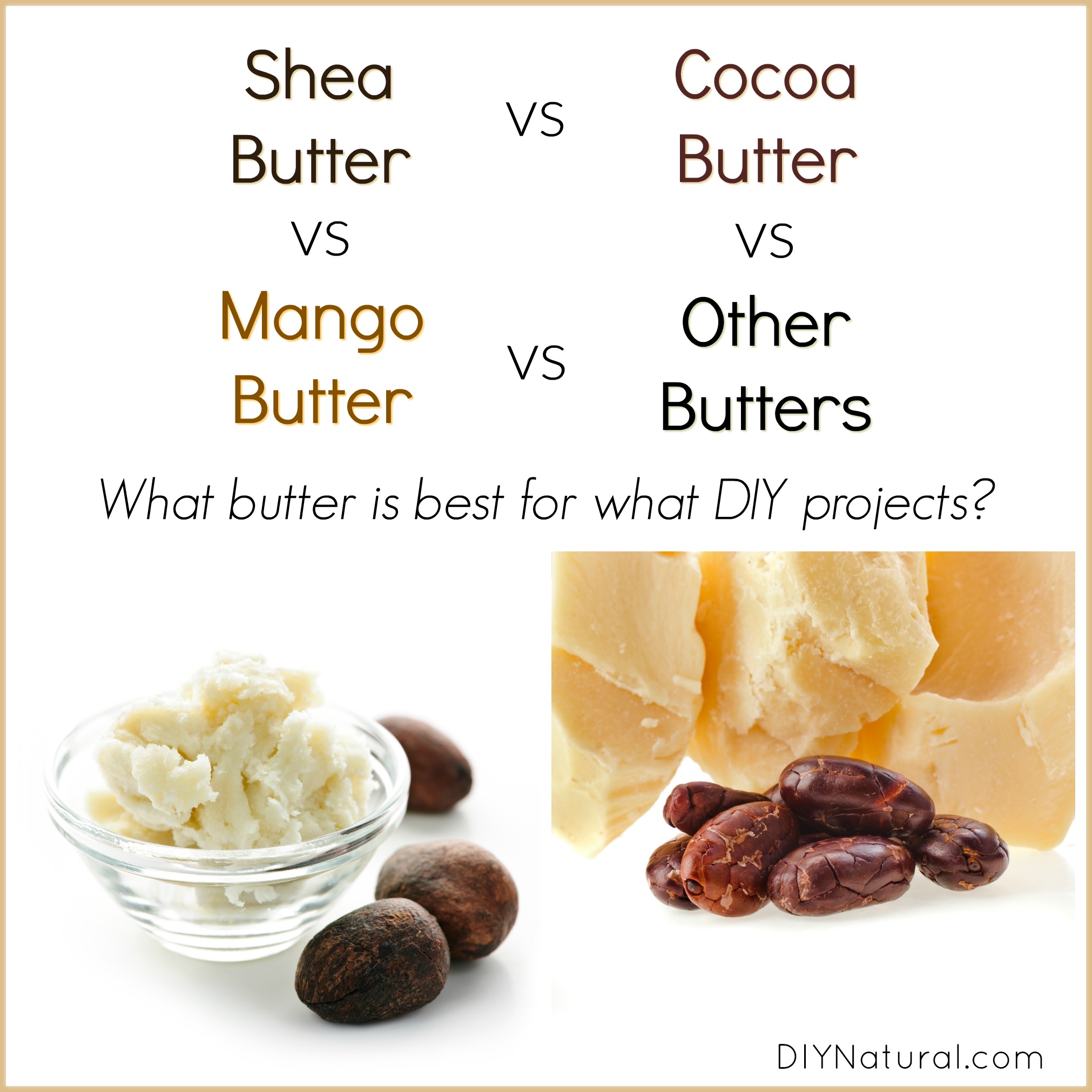
Credit: diynatural.com