
Many people struggle with scalp acne, a condition that causes pimples, bumps, and discomfort on the head. It can be frustrating, especially because it often hides beneath hair, making it harder to treat. If you are looking for natural solutions, you might have heard about tea tree oil. This essential oil is famous for its antibacterial and anti-inflammatory properties. But does tea tree oil really help scalp acne? Let’s explore the science, benefits, drawbacks, and practical ways to use it, so you can decide if it’s right for you.
What Is Scalp Acne?
Scalp acne is similar to facial acne but occurs under the hair. The main symptoms include:
- Red bumps or pimples
- Itching
- Tenderness
- Sometimes, pus-filled lesions
Scalp acne happens when hair follicles become clogged with oil, dead skin cells, and sometimes bacteria. Factors like oily hair products, sweat, or not washing your hair enough can make it worse. According to the American Academy of Dermatology, nearly 20% of people experience scalp acne at some point.
How Tea Tree Oil Works
Tea tree oil comes from the leaves of the Melaleuca alternifolia tree, native to Australia. It contains compounds like terpinen-4-ol, which fight bacteria and reduce inflammation. Here is a quick comparison between tea tree oil and other common acne treatments:
| Treatment | Antibacterial | Anti-inflammatory | Side Effects |
|---|---|---|---|
| Tea Tree Oil | Yes | Yes | Mild irritation |
| Benzoyl Peroxide | Yes | No | Dryness, redness |
| Salicylic Acid | No | Yes | Peeling, dryness |
Tea tree oil’s dual action is why many people try it for scalp acne. Studies show it can reduce acne lesions by up to 40% in mild cases (Journal of Dermatology, 2017).

Credit: www.soulflower.in
Tea Tree Oil For Scalp Acne: Evidence And Effectiveness
Tea tree oil is popular in shampoos, creams, and spot treatments. Research supports its effectiveness for mild to moderate acne, but not all cases respond equally.
What The Science Says
- Clinical studies: A study in the Medical Journal of Australia found that 5% tea tree oil gel was almost as effective as benzoyl peroxide for mild acne, but had fewer side effects.
- User reviews: Many people notice fewer pimples and less itching after 1-2 weeks of use.
- Fungal acne: Tea tree oil also fights fungi, which can cause scalp issues like dandruff and fungal acne.
However, severe acne often needs stronger medication. Tea tree oil is best for mild breakouts or as a support treatment.
Comparison: Tea Tree Oil Vs Other Natural Remedies
| Remedy | Main Benefit | Typical Use | Risks |
|---|---|---|---|
| Tea Tree Oil | Antibacterial | Shampoo, spot treatment | Irritation if undiluted |
| Aloe Vera | Soothing | Gel on scalp | Rare allergy |
| Apple Cider Vinegar | Balances pH | Rinse | Dryness, burning |
Tea tree oil stands out for fighting both bacteria and inflammation, making it a good choice for many people.
How To Use Tea Tree Oil Safely
Tea tree oil is strong and can cause irritation if used incorrectly. Here’s how to use it for scalp acne:
- Dilute: Mix 2-3 drops of tea tree oil with 1 tablespoon of carrier oil (like coconut or olive oil).
- Patch test: Apply a small amount to your skin before using on your scalp to check for allergic reactions.
- Massage: Gently rub the diluted oil onto affected areas. Leave it for 15-30 minutes, then wash your hair with a mild shampoo.
- Frequency: Use 2-3 times per week for best results.
Alternatively, you can buy shampoos containing tea tree oil (usually 1-5% concentration). These are safer for daily use.
Practical Tips
- Avoid pure tea tree oil directly on skin—it can cause burning or redness.
- Don’t use on open wounds or severe acne.
- If irritation occurs, stop using it.
One non-obvious insight: scalp acne can worsen with frequent hair styling or tight hats, so keep your scalp clean and let it breathe.
:max_bytes(150000):strip_icc()/byr-best-medicated-shampoos-for-scalp-acne-tout-b1c04f8a1cc0435ebe814ad92b60942c.jpg)
Credit: www.byrdie.com
Possible Side Effects And Risks
While tea tree oil is generally safe, some people may experience:
- Allergic reactions (redness, itching)
- Dryness
- Stinging
Rarely, it can cause swelling. If you notice any severe reaction, wash your scalp immediately and consult a doctor.
Another insight: some hair types (especially curly or dry hair) may become brittle if tea tree oil is overused. Always moisturize your hair after treatment.
When Tea Tree Oil May Not Help
Tea tree oil is not a miracle cure. It may not help:
- Severe cystic acne
- Scalp conditions like psoriasis
- Deep infections
In these cases, see a dermatologist for stronger treatments.

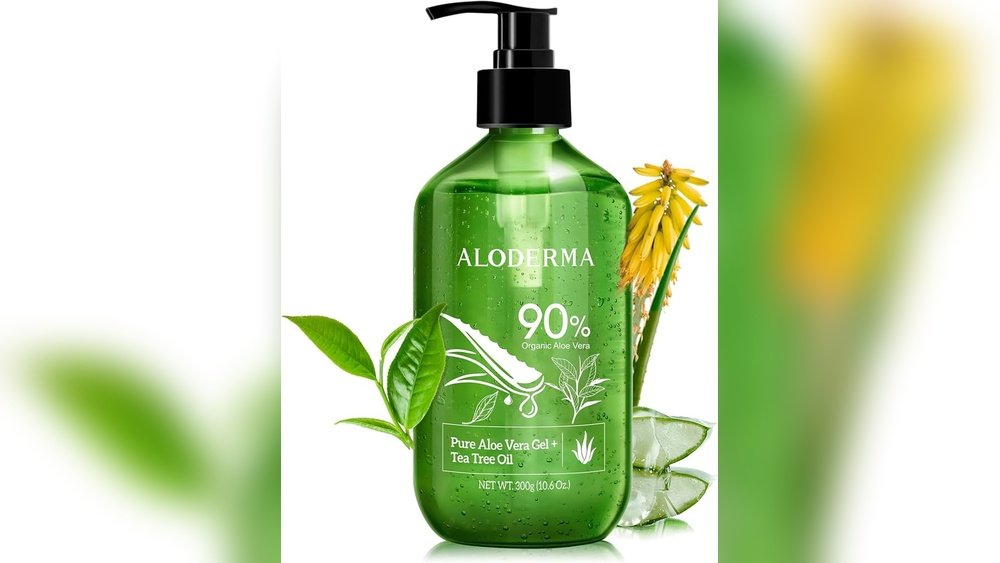
Credit: www.amazon.sa
Frequently Asked Questions
Can I Use Tea Tree Oil Every Day For Scalp Acne?
It’s best to use tea tree oil 2-3 times a week. Daily use can lead to dryness or irritation. If using a tea tree oil shampoo, follow the instructions on the label.
How Long Does It Take To See Results?
Most people notice improvement in 1-2 weeks. Some may need longer. Results depend on the severity and consistency of use.
Is Tea Tree Oil Safe For Children?
Tea tree oil is not recommended for young children, as their skin is more sensitive. Always consult a pediatrician before use.
Can Tea Tree Oil Help With Dandruff?
Yes, tea tree oil can reduce dandruff because it fights fungi and inflammation. It’s often included in anti-dandruff shampoos.
Where Can I Find Scientific Evidence About Tea Tree Oil?
Many studies are available online. For detailed information, visit National Institutes of Health.
Tea tree oil offers a natural option for mild scalp acne, but it’s not a one-size-fits-all solution. If you use it correctly, you may see clearer skin and less irritation. Always listen to your scalp, use gentle products, and ask a doctor if your acne is severe or persistent.