
Electric Razor Vs Manual: Which Is Better For Skin?
Choosing between an electric razor and a manual razor is more than just picking a tool. Your skin’s health, comfort, and appearance depend on your choice. Many people worry about razor burns, cuts, irritation, and how close a shave each tool gives. While both types have their fans, the answer isn’t always obvious. This article will help you understand the real differences for your skin, using data, expert advice, and practical tips.
What Makes Electric Razors Different?
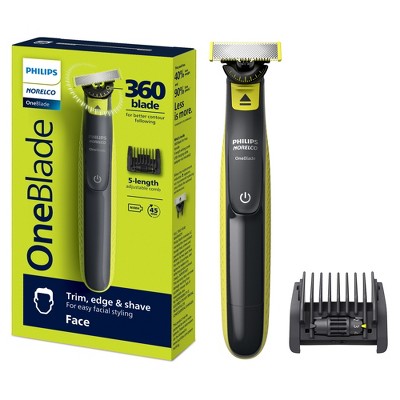
Electric razors use a motor to move blades quickly. The blades are protected by a thin metal foil or rotary head, so your skin rarely touches the blade directly. This design reduces the chance of nicks and cuts.
Key Benefits
- Less irritation: Electric razors glide over skin, making them ideal for people with sensitive skin.
- Quick and dry shaving: No need for water or shaving cream. Perfect for busy mornings.
- Safety: Lower risk of cuts compared to manual razors.
Drawbacks
- Not as close: Electric razors usually leave a small stubble because the blade doesn’t touch the skin directly.
- Battery life: You need to keep it charged. Battery problems can interrupt your routine.
- Cost: Good electric razors can cost $50–$300, and you’ll need to replace heads every 12–18 months.
How Manual Razors Work
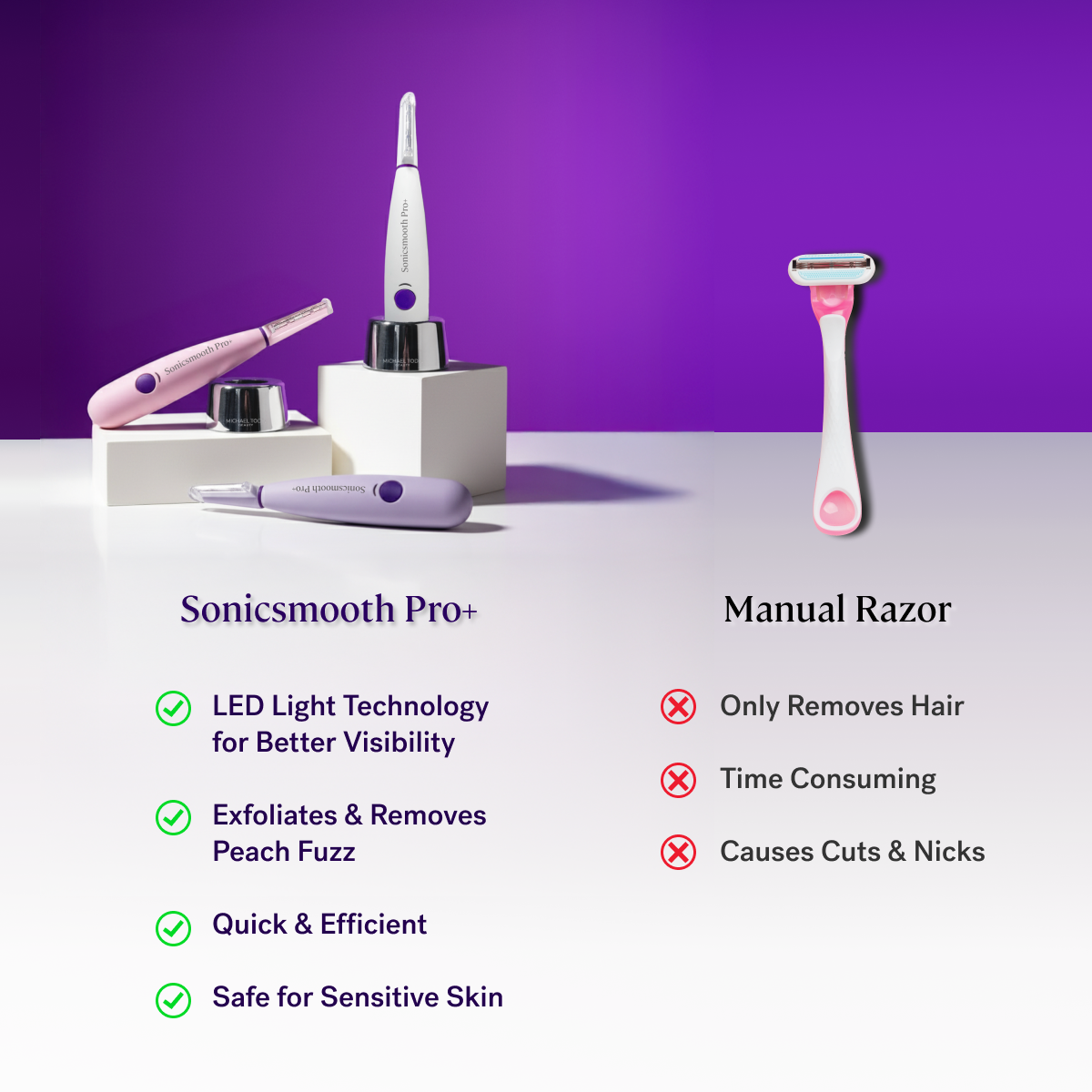
Manual razors have a single or multiple blades that cut hair directly at skin level. The shave is often closer, but your skin is exposed to sharp metal.
Advantages
- Closer shave: Manual razors cut hair right at the skin, so you get a smooth finish.
- Affordable: Disposable razors start at $1, and even high-end ones rarely exceed $20.
- Easy to use: No batteries, just water and shaving cream.
Disadvantages
- Higher risk of cuts: Blades are exposed, so mistakes can cause nicks.
- Razor burn: Friction and shaving against the grain can cause irritation and redness.
- Time-consuming: You need to prep your skin and shave carefully.
Skin Health Comparison
Here’s a side-by-side look at how each razor affects your skin:
| Factor | Electric Razor | Manual Razor |
|---|---|---|
| Risk of cuts | Low | High |
| Razor burn | Rare | Common |
| Ingrown hairs | Less likely | More likely |
| Closeness | Moderate | Very close |
| Skin prep needed | None | Essential |
Studies show that about 35% of men report skin irritation with manual razors, compared to 15% with electric razors. That’s why dermatologists often recommend electric razors for people with sensitive skin or conditions like eczema.
Who Should Use Which Razor?
Your skin type, shaving habits, and personal needs decide the best choice.
| Skin Type | Best Razor | Reason |
|---|---|---|
| Sensitive | Electric | Less contact, fewer nicks |
| Normal | Either | Depends on preference |
| Thick/Coarse | Manual | Can handle tough hair |
| Acne-prone | Electric | Reduces skin trauma |
Credit: www.target.com
Practical Tips For Healthier Skin
- Hydrate your skin: Even when using an electric razor, wash your face first. Soft hair is easier to cut.
- Use shaving cream: For manual razors, always use shaving cream or gel to reduce friction.
- Clean your razor: Dirty razors spread bacteria and cause pimples or infection.
- Replace blades regularly: Dull blades increase irritation and risk of ingrown hairs.
- Moisturize after shaving: Helps skin heal and stay soft.
Common Mistakes Beginners Make
- Pressing too hard: Both razors can irritate skin if you push down. Let the razor do the work.
- Skipping skin prep: Dry shaving with a manual razor leads to burns.
- Ignoring maintenance: Dirty electric razors can cause breakouts.
- Using old blades: Dull blades tug at hair, making skin red and sore.

Credit: www.wilkinsonsword.com
Real-life Example
John, a 28-year-old with sensitive skin, switched from manual to electric. He found he had 50% fewer razor burns and no nicks after two weeks. While his shave wasn’t as close, his skin looked healthier and felt smoother.
Data You Might Not Expect
- Electric razors reduce ingrown hairs by up to 40% compared to manual razors.
- Manual razors cause micro-cuts that can’t be seen but lead to irritation.
- In surveys, 60% of women prefer electric razors for legs due to less irritation.
Expert Advice
Dermatologists say, “If your skin is prone to redness or bumps, electric razors are safer.” Yet, for a perfectly smooth face, manual razors are unbeatable—if your skin can handle it.
For deeper insights into shaving and skin health, see American Academy of Dermatology.
Frequently Asked Questions
What Causes Razor Burn With Manual Razors?
Razor burn happens when the blade scrapes the skin too closely, especially if you shave dry or use a dull blade. Friction and shaving against hair growth also trigger irritation.
Can Electric Razors Be Used For Wet Shaving?
Yes, some electric razors are designed for wet shaving. You can use them with water or shaving gel. Check your model’s instructions before trying.
Which Razor Is Best For Acne-prone Skin?
Electric razors are usually safer for acne-prone skin. They don’t scrape pimples and lower the risk of infection. Manual razors can break acne and make things worse.
How Often Should Razor Blades Be Replaced?
For manual razors, change the blade every 5–10 shaves. For electric razors, replace heads every 12–18 months. Clean both types after each use.
Is A Closer Shave Always Better For Skin?
Not always. While a close shave feels smooth, it increases the risk of cuts and ingrown hairs. If your skin is sensitive, a slightly less close shave may be healthier.
Making the best choice between electric and manual razors depends on your skin, your habits, and what matters most to you—comfort or closeness. For most people, electric razors offer safer, gentler shaving, while manual razors provide a smoother finish but require more care.
Try both, listen to your skin, and keep your tools clean. Your skin will thank you.
Credit: michaeltoddbeauty.com