
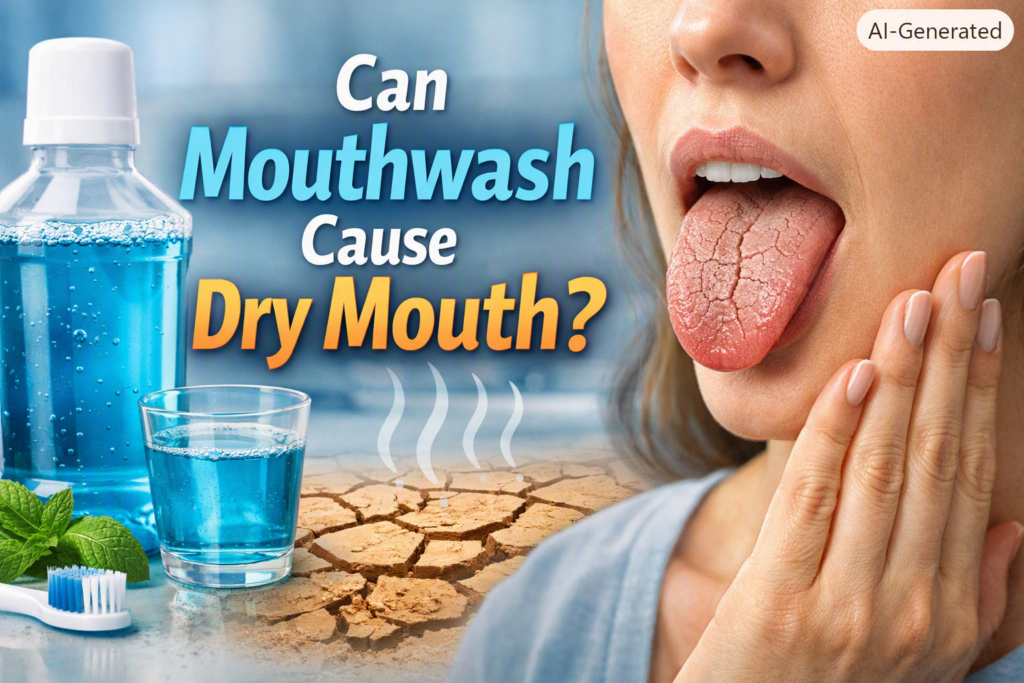
Can Mouthwash Cause Dry Mouth?
Mouthwash is a common part of oral hygiene routines. Many people use it to freshen breath, kill bacteria, or prevent gum disease. But sometimes, after rinsing, you might notice your mouth feels unusually dry or sticky. This raises an important question: Can mouthwash cause dry mouth? Understanding the answer can help you choose the right product for your needs and protect your oral health.
What Is Dry Mouth?
Dry mouth, also called xerostomia, happens when your mouth does not make enough saliva. Saliva is important for eating, speaking, and fighting germs. When your mouth is dry, you may feel thirsty, have trouble chewing, or notice your breath smells worse.
Some common causes include:
- Medications like antihistamines, antidepressants, and blood pressure pills
- Medical conditions such as diabetes, Sjögren’s syndrome, or radiation therapy
- Lifestyle factors like dehydration or smoking
Mouthwash is not always the first suspect, but it can sometimes play a role.
How Mouthwash Ingredients Affect Saliva
Mouthwashes contain many different active ingredients. Some are helpful, while others can cause problems for sensitive users.
Alcohol-based Mouthwashes
Many popular mouthwashes use alcohol (usually ethanol) as a main ingredient. Alcohol kills bacteria, but it can also dry out soft tissues in your mouth. Studies show that mouthwashes with high alcohol content (up to 26%) can make dry mouth worse, especially if you use them often.
Other Drying Agents
Besides alcohol, some mouthwashes contain astringents (like menthol or eucalyptol) and preservatives. These can make your mouth feel clean, but they may also reduce saliva or irritate your oral lining.
Table: Common Mouthwash Ingredients And Effects
| Ingredient | Purpose | Effect on Dry Mouth |
|---|---|---|
| Alcohol (Ethanol) | Bacteria killing | Can cause or worsen dryness |
| Chlorhexidine | Antibacterial | Mild drying possible |
| Fluoride | Cavity prevention | No drying effect |
| Xylitol | Moisturizing/Sweetener | May help relieve dryness |
Signs Your Mouthwash Is Causing Dry Mouth
If you feel dryness, a burning feeling, or sticky saliva right after using mouthwash, it may be the cause. Other signs include:
- Needing water often during the day
- Cracked lips or corners of the mouth
- Difficulty swallowing or speaking
Not everyone reacts the same way. People with sensitive mouths or certain medical conditions may notice these effects more.
Alcohol-free Mouthwash Options
Not all mouthwashes cause dry mouth. Many brands now offer alcohol-free options designed for people with sensitive mouths or dryness issues.
Benefits Of Alcohol-free Mouthwashes
- Do not dry out your mouth
- Safer for children and older adults
- Less likely to cause burning or irritation
Some even contain moisturizing ingredients like xylitol or aloe vera, which help increase comfort and saliva flow.
Table: Comparison Of Alcohol Vs Alcohol-free Mouthwash
| Feature | Alcohol-Based | Alcohol-Free |
|---|---|---|
| Bacteria killing | Strong | Moderate to strong |
| Freshens breath | Yes | Yes |
| Can cause dry mouth | Yes, especially with frequent use | Rarely |
| Suitable for sensitive mouths | No | Yes |
Who Is Most At Risk?
Some people are more likely to experience dry mouth from mouthwash:
- Older adults: Saliva production naturally drops with age.
- People on medication: Many common drugs reduce saliva.
- Cancer patients: Radiation can harm salivary glands.
- People with dry mouth conditions: Such as Sjögren’s syndrome.
If you fall into these groups, choose products labeled “for dry mouth” or “alcohol-free.”
How To Prevent Or Relieve Mouthwash-induced Dry Mouth
You can reduce dry mouth risk by following these tips:
- Switch to alcohol-free mouthwash. Look for products with xylitol, fluoride, or aloe.
- Limit how often you rinse. Once or twice a day is enough.
- Drink water after using mouthwash to restore moisture.
- Avoid mouthwashes with sodium lauryl sulfate (SLS). This ingredient can also irritate your mouth.
- Talk to your dentist. If you need a strong antibacterial rinse (like after oral surgery), ask for a recommendation that suits your needs.
Table: Tips For Choosing Mouthwash If You Have Dry Mouth
| Tip | Why It Matters |
|---|---|
| Choose alcohol-free | Reduces drying and irritation |
| Look for xylitol or aloe | Helps moisturize mouth |
| Avoid SLS | Prevents extra irritation |
| Consult with a dentist | Find safest option for your needs |
Non-obvious Insights
Many people think all mouthwashes are the same. But mouthwash formulas can vary greatly. Even small amounts of alcohol, used daily, may dry your mouth over time. Also, not all products labeled “gentle” are truly safe for dry mouth—always check the ingredient list.
Another overlooked point is that some herbal or natural mouthwashes use essential oils that can still irritate a dry or sensitive mouth. “Natural” does not always mean mild.
Final Thoughts
Mouthwash is useful for oral hygiene, but it can sometimes cause or worsen dry mouth—especially if it contains alcohol or harsh chemicals. If you notice your mouth feels dry after rinsing, consider switching to an alcohol-free or moisturizing formula. Always read labels and ask your dentist for advice, especially if you have ongoing dryness or other health issues. Your comfort and oral health depend on making the right choice for your unique needs.
For more on dry mouth causes and treatments, visit this Mayo Clinic page.
Frequently Asked Questions
What Ingredients In Mouthwash Cause Dry Mouth?
Most often, alcohol and some astringents are responsible for dryness. These ingredients can remove moisture from your mouth lining and reduce saliva.
Is Alcohol-free Mouthwash Better For Dry Mouth?
Yes. Alcohol-free mouthwashes are less likely to dry out your mouth and are a safer choice for people with sensitive tissues or dry mouth conditions.
Can Mouthwash Help With Dry Mouth?
Some mouthwashes are made to relieve dry mouth. These contain moisturizing agents like xylitol or aloe vera and do not have alcohol or harsh chemicals.
How Can I Tell If My Mouthwash Is Causing Dryness?
If you feel sticky, dry, or irritated after using your mouthwash, and these symptoms improve when you stop, the rinse may be the cause.
Should I Stop Using Mouthwash If I Have Dry Mouth?
You may not need to stop completely. Instead, choose a dry mouth-friendly product and use it as directed. Always speak with your dentist if symptoms continue.