
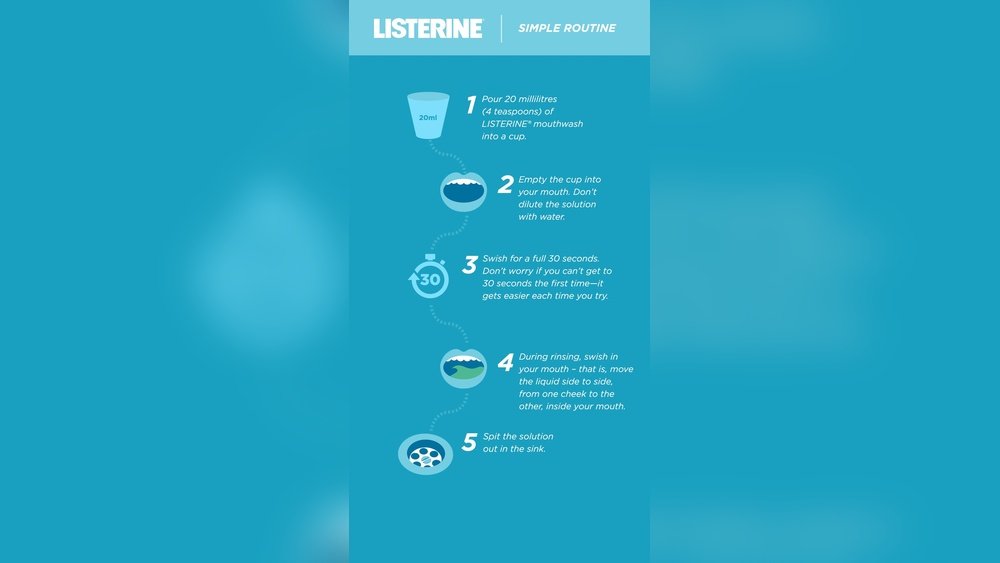
Many people use mouthwash for a fresh breath and cleaner mouth. But few stop to ask: How long should you swish mouthwash? Using mouthwash incorrectly can waste your effort and may not give the best results. In this article, you’ll learn the ideal swishing time, why it matters, and how to make your mouthwash routine more effective. Let’s clear up confusion so you get the most from every rinse.
The Ideal Mouthwash Swishing Time
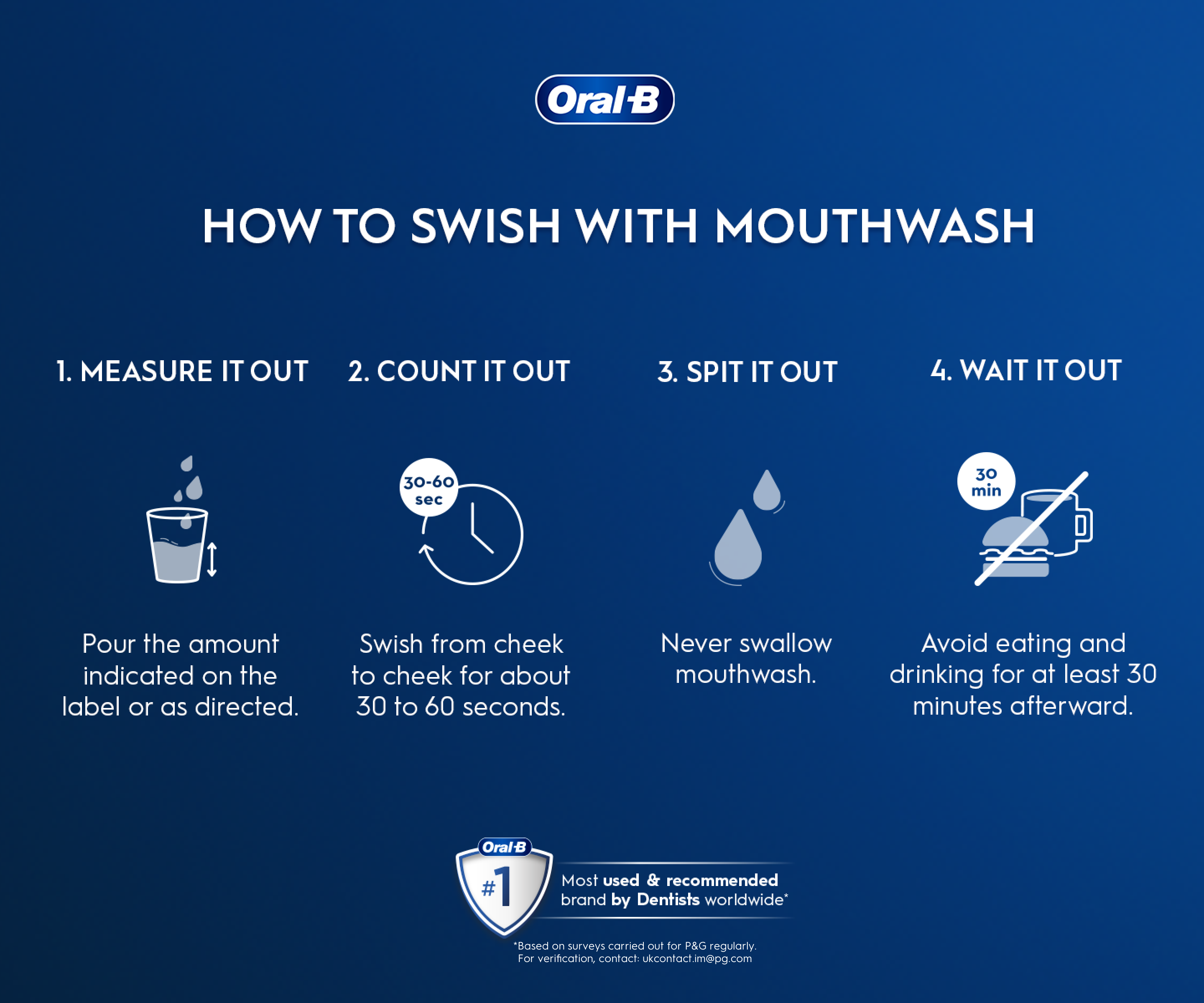
Dentists recommend swishing mouthwash for 30 seconds to 1 minute. This time allows the solution to cover all parts of your mouth, reach between teeth, and kill bacteria. Swishing for less than 30 seconds often means you miss out on full benefits, while going much longer rarely adds extra value.
Here’s a quick comparison of mouthwash swishing times:
| Swishing Time | Effectiveness | Common Experience |
|---|---|---|
| 10-20 seconds | Poor | Misses many areas |
| 30-60 seconds | Optimal | Full coverage, best results |
| Over 1 minute | Similar to optimal | Can cause mouth discomfort |
Most mouthwash brands print recommended swishing times on their labels. For example, Listerine advises 30 seconds, while some fluoride rinses suggest up to 60 seconds. Always check your mouthwash bottle for specific instructions.
Why Swishing Time Matters
The time you spend swishing mouthwash affects three main things:
- Bacteria Removal: Enough time lets the mouthwash kill more germs and reach hard-to-clean spots.
- Fluoride Protection: If your mouthwash has fluoride, longer contact helps strengthen your teeth.
- Fresh Breath: Swishing for the right time leaves your mouth smelling fresher for longer.
A study from the American Dental Association shows that rinsing for less than 30 seconds removes only 50% of bacteria. Swishing for a full minute can remove up to 90%. This proves that time matters for mouth health.
Credit: www.oralb.co.uk
Step-by-step: Swishing Mouthwash Properly
Most people think mouthwash use is simple. But there are a few steps to follow for best results:
- Pour the right amount: Usually 20 ml (about 4 teaspoons).
- Swish vigorously: Move the liquid between teeth and around gums.
- Time yourself: Use a timer or count in your head for 30-60 seconds.
- Do not swallow: Mouthwash is not meant to be ingested.
- Spit out completely: Remove all mouthwash from your mouth.
- Avoid rinsing with water: This keeps active ingredients working longer.
Here’s a comparison of correct vs. incorrect mouthwash use:
| Method | Result | Common Mistake |
|---|---|---|
| Proper swishing (30-60 sec) | Best oral health | None |
| Quick rinse (<30 sec) | Reduced benefits | Misses bacteria |
| Swallowing mouthwash | Health risk | Stomach upset |
| Rinsing with water after | Washes away protection | Weakens effect |
Types Of Mouthwash And Their Swishing Times
Not all mouthwashes are the same. The right swishing time depends on the type you use:
- Antiseptic Mouthwash: For killing germs. Swish for 30-60 seconds.
- Fluoride Mouthwash: For cavity protection. Swish for a full 60 seconds.
- Cosmetic Mouthwash: For fresh breath only. 30 seconds is enough.
- Prescription Mouthwash: Follow your dentist’s instructions.
Some mouthwashes contain strong ingredients that may cause a burning feeling if used too long. If you experience discomfort, it’s okay to stop at 30 seconds. Children should use mouthwash only under supervision, and usually for less time.
Here’s a quick guide to swishing times by mouthwash type:
| Mouthwash Type | Recommended Time | Purpose |
|---|---|---|
| Antiseptic | 30-60 seconds | Kill bacteria |
| Fluoride | 60 seconds | Strengthen teeth |
| Cosmetic | 30 seconds | Freshen breath |
| Prescription | As directed | Specific needs |

Credit: cvdentistryllc.com
Common Mistakes When Using Mouthwash
Many people make errors that reduce mouthwash effectiveness. Here are two mistakes beginners often miss:
- Swishing too quickly: Rushing the rinse doesn’t let the mouthwash do its job. Always aim for at least 30 seconds.
- Rinsing with water afterward: Water washes away active ingredients. This weakens the effect.
Some also use mouthwash right after brushing, which can wash away fluoride from toothpaste. Instead, wait at least 30 minutes after brushing before using mouthwash.
Extra Tips For A Better Mouthwash Routine
- Use mouthwash at a different time from brushing for maximum protection.
- If the taste is too strong, choose a milder mouthwash. Many brands offer alcohol-free versions.
- Teach children proper swishing and spitting. Supervise them until age 6 or older.
For more details on mouthwash science, you can read the American Dental Association’s guide.

Credit: makingyousmile.nyc
Frequently Asked Questions
How Long Should You Swish Mouthwash For Maximum Results?
For most mouthwashes, 30-60 seconds is ideal. This gives enough time for the ingredients to clean your mouth and kill bacteria.
Can You Swish Mouthwash For Too Long?
Yes. Swishing for more than 1 minute can cause mouth discomfort, especially with strong mouthwashes. It usually doesn’t give extra benefits.
Is It Okay To Use Mouthwash Right After Brushing?
No. Using mouthwash right after brushing may wash away fluoride from toothpaste. Wait at least 30 minutes after brushing before using mouthwash.
Should You Rinse Your Mouth With Water After Using Mouthwash?
No. Rinsing with water removes the mouthwash’s active ingredients. Spit out the mouthwash and avoid rinsing for best effect.
Can Children Use Mouthwash?
Children can use mouthwash, but only under adult supervision. They should use less time and never swallow the rinse. Kid-friendly mouthwashes are recommended.
Swishing mouthwash the right way takes just a minute but can make a big difference in your oral health. Follow these tips, avoid common mistakes, and enjoy a cleaner, fresher mouth every day.