
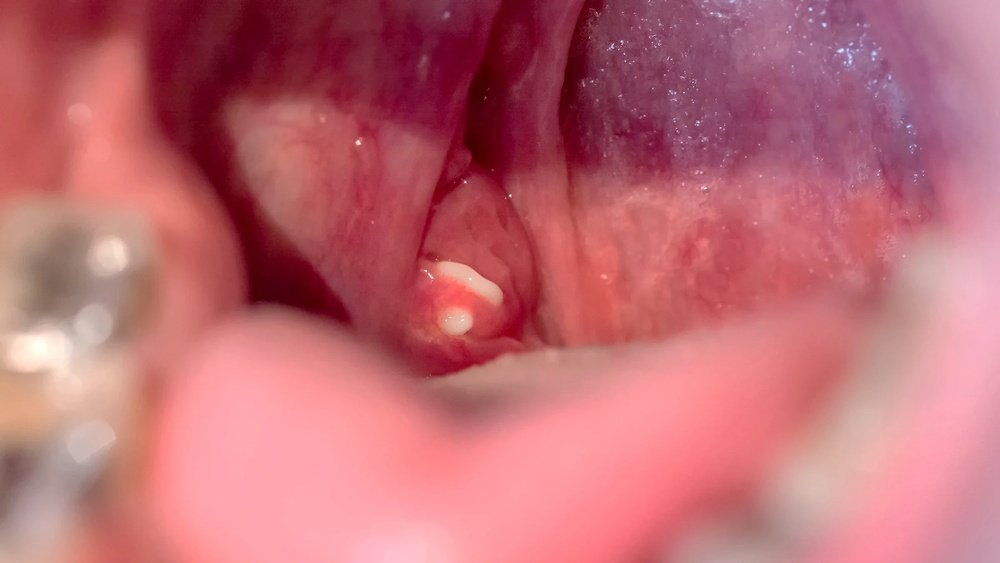
Many people notice small, white or yellow lumps at the back of their throat and wonder what they are. These are called tonsil stones (or tonsilloliths). They can cause bad breath, discomfort, and sometimes even pain. Because tonsil stones form in the mouth, many people believe that mouthwash might help get rid of them. But does it really work, or is it just a myth? Let’s look at what tonsil stones are, how mouthwash might help, and what actually works best.
What Are Tonsil Stones?
Tonsil stones are small collections of debris that get stuck in the crevices (crypts) of your tonsils. Over time, this debris—made up of dead cells, food particles, and mucus—hardens and forms stones. Some people never notice them, while others experience symptoms like:
- Bad breath (halitosis)
- Sore throat
- Difficulty swallowing
- Ear pain (even without an ear infection)
Tonsil stones are more common in adults and people with chronic tonsillitis. They are not dangerous, but they can be uncomfortable and embarrassing.
How Mouthwash Works
Mouthwash is a liquid product used to rinse the mouth. Most mouthwashes contain ingredients that:
- Kill bacteria
- Freshen breath
- Loosen food particles
- Reduce plaque
Some mouthwashes are antibacterial, while others are mainly for breath freshening. The right mouthwash can help with oral hygiene, but its effect on tonsil stones is more complex.
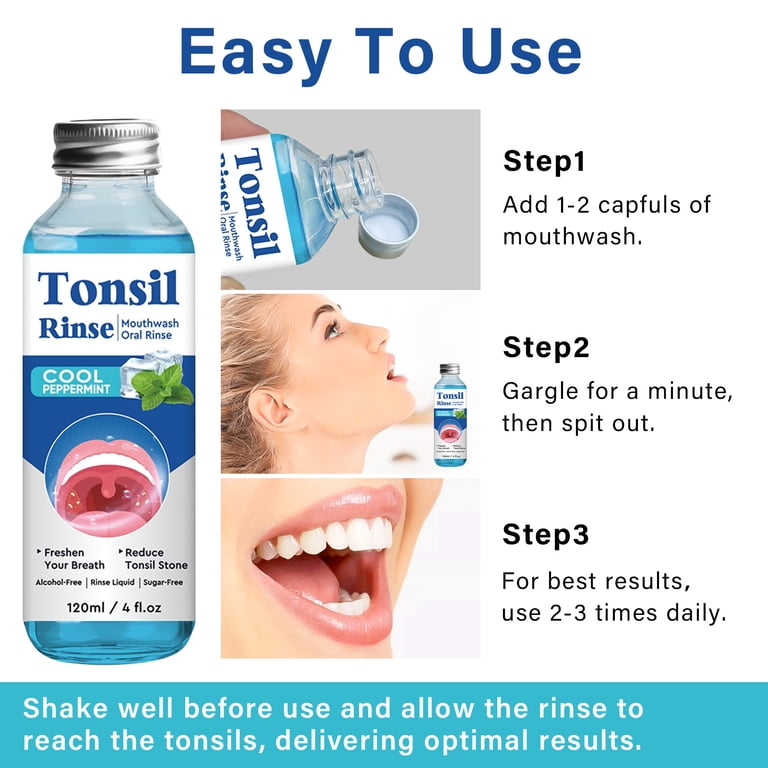
Credit: www.walmart.com
Mouthwash Vs. Tonsil Stones: What The Evidence Shows
Does rinsing with mouthwash remove or prevent tonsil stones? The short answer: Mouthwash can help, but it is not a cure-all.
Comparing Mouthwash Types
Here’s a look at how different mouthwashes perform when dealing with tonsil stones:
| Mouthwash Type | Effect on Tonsil Stones | Main Benefit |
|---|---|---|
| Antibacterial (e.g., chlorhexidine) | Reduces bacteria, may slow stone growth | Fights infection and bad breath |
| Oxygenating (e.g., hydrogen peroxide) | Loosens debris, may help stones detach | Cleans tonsil crypts |
| Cosmetic (alcohol-based) | Mainly masks odor, little effect on stones | Freshens breath |
Antibacterial mouthwashes can reduce the bacteria that contribute to tonsil stone formation. Oxygenating rinses may help loosen debris, making stones less likely to form or easier to remove. Cosmetic mouthwashes, which often contain alcohol, usually only freshen breath.
Scientific Evidence
There is limited direct research about mouthwash and tonsil stones. However, studies show that using antibacterial mouthwash can lower the number of harmful bacteria in the mouth, which may reduce bad breath and slow the growth of stones. But mouthwash alone rarely removes stones that are already present.
One non-obvious insight: Many people use mouthwash incorrectly. Swishing too briefly (less than 30 seconds) does not give the active ingredients enough time to work. Also, most mouthwashes do not reach deep into the tonsil crypts where stones form.
When Mouthwash Helps—and When It Doesn’t
When It Can Help
- Reducing bacteria: Regular use can lower bacteria levels, which may help prevent future stones.
- Masking bad breath: Mouthwash can quickly hide odors caused by tonsil stones.
- Loosening debris: Oxygenating mouthwashes may help wash away loose particles.
When It Cannot Help
- Removing large stones: Mouthwash cannot dislodge larger stones stuck deep in the tonsils.
- Treating underlying causes: If you have deep tonsil crypts or chronic tonsillitis, mouthwash won’t fix these issues.
Here’s a simple comparison of mouthwash and other tonsil stone treatments:
| Method | Effectiveness | Best For |
|---|---|---|
| Mouthwash | Moderate | Prevention and freshening breath |
| Manual removal (e.g., cotton swab) | High (for visible stones) | Removing existing stones |
| Gargling with salt water | Moderate | Loosening small stones |
| Surgical removal | Very high | Severe or chronic cases |
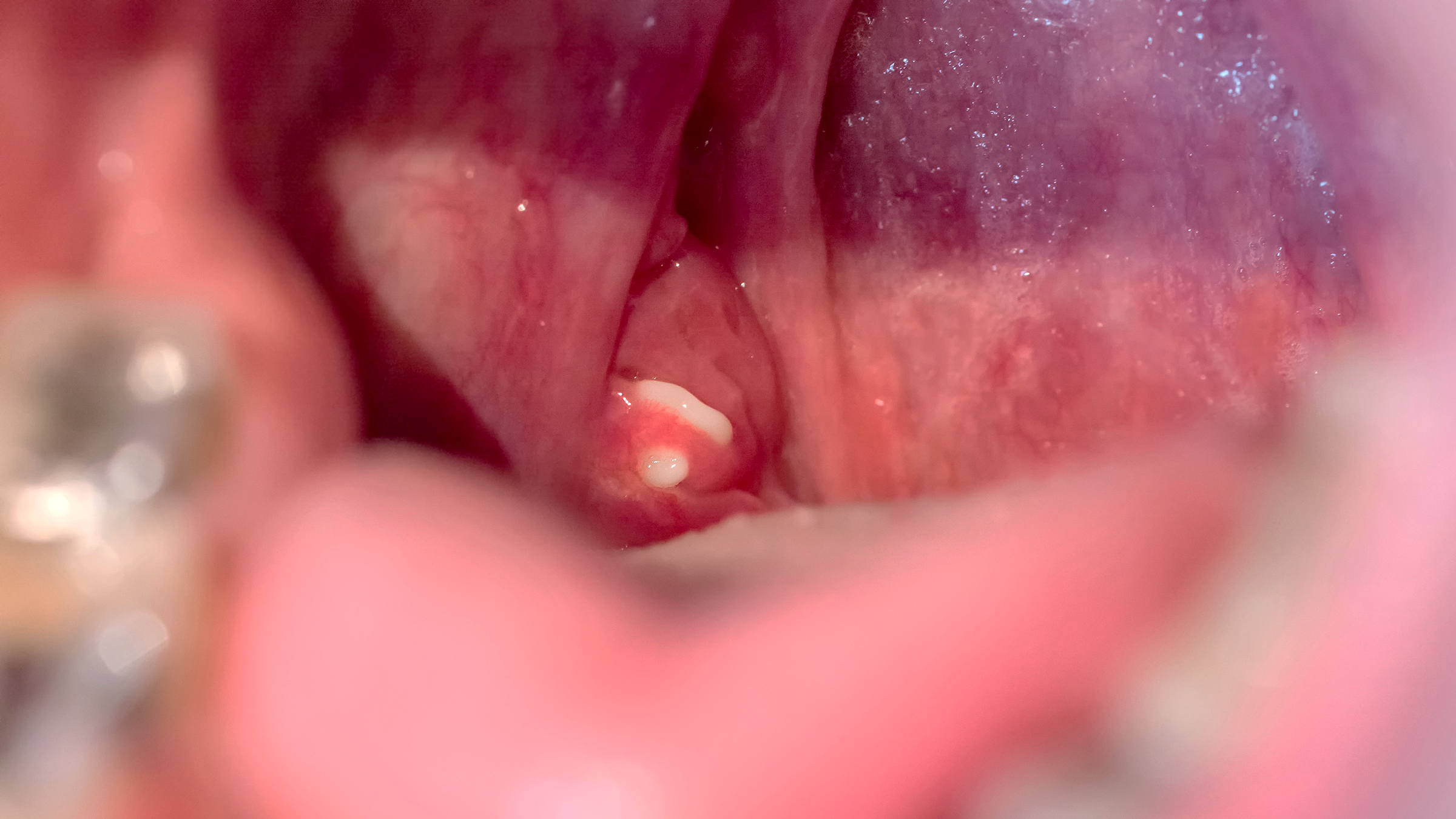
Credit: www.goodrx.com
How To Use Mouthwash For Tonsil Stones
If you want to try mouthwash as part of your routine, here are some tips:
- Choose the right type: Look for antibacterial or oxygenating formulas.
- Swish for 30–60 seconds: This gives the active ingredients time to work.
- Gargle deeply: Tilt your head back and gargle to reach the tonsils.
- Use daily: Make it part of your oral hygiene routine.
- Do not eat or drink right after: Wait at least 30 minutes for best results.
One overlooked tip: Do not overuse strong mouthwashes like chlorhexidine, as they can stain teeth or disrupt normal bacteria if used too often.
Other Ways To Prevent Tonsil Stones
While mouthwash can help, other habits are often more effective:
- Brush and floss: Twice a day removes food particles and bacteria.
- Drink water: Keeps the mouth moist and reduces debris buildup.
- Gargle with salt water: A simple saltwater gargle can loosen stones and soothe the throat.
- Treat nasal allergies: Postnasal drip increases mucus, which can add to tonsil stone formation.
For severe or chronic tonsil stones, a doctor may suggest procedures like laser cryptolysis or even a tonsillectomy. For more information on professional treatments, the Mayo Clinic offers a helpful overview.

Credit: www.suryadentalcare.com
Frequently Asked Questions
Can Mouthwash Remove Tonsil Stones Completely?
No, mouthwash usually cannot remove large or deeply lodged tonsil stones. It can help reduce bacteria and freshen breath, but manual removal or a doctor’s help may be needed for bigger stones.
Which Mouthwash Is Best For Tonsil Stones?
Antibacterial and oxygenating mouthwashes (like those with chlorhexidine or hydrogen peroxide) work best. Avoid only cosmetic mouthwashes, as they mainly mask odor and do not help with stone removal.
Can Using Mouthwash Prevent Tonsil Stones From Forming?
Mouthwash can lower the chance of new stones forming by reducing bacteria and cleaning the mouth. However, it cannot change the shape of your tonsils or stop stones completely if you have deep tonsil crypts.
How Often Should I Use Mouthwash For Tonsil Stones?
Once or twice a day is usually enough. Overusing strong mouthwashes can cause side effects like staining or irritation. Follow the label instructions or ask your dentist.
When Should I See A Doctor About Tonsil Stones?
If stones cause pain, repeat infections, or trouble swallowing, see a doctor. They can check for other problems and suggest stronger treatments if needed.
Tonsil stones are annoying but usually harmless. Mouthwash can be a useful tool for prevention and managing symptoms, but it’s not a magic solution. Combine good oral hygiene, the right mouthwash, and regular checkups for the best results. If tonsil stones keep coming back, don’t hesitate to talk to a healthcare professional.