
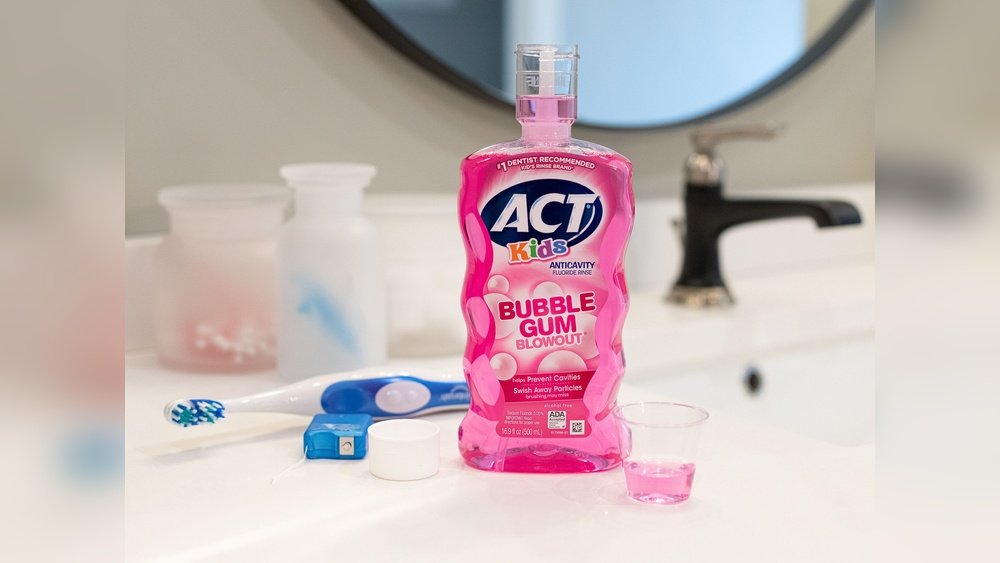
Can Kids Use Adult Mouthwash?
Many parents wonder if their children can use the same mouthwash as adults. Mouthwash is often seen as a quick way to boost oral hygiene, but the answer isn’t simple. Children’s mouths and needs are different from adults, and using the wrong product can have risks.
This article explains whether kids can use adult mouthwash, what dangers to watch out for, and how to choose the right product for your family. If you’re unsure about your child’s oral care, you’re in the right place.
How Mouthwash Works
Mouthwash is a liquid used to rinse the mouth. It helps kill bacteria, freshen breath, and reduce plaque. Most adult mouthwashes contain alcohol, fluoride, and antibacterial agents. These ingredients are designed for mature mouths.
Children’s mouths are still growing. Their gums, teeth, and oral tissues are more sensitive. Kids also have a higher risk of swallowing mouthwash, which can be dangerous if the product contains strong chemicals.
Ingredients In Adult Mouthwash
Here’s a comparison of common mouthwash ingredients for adults and kids:
| Ingredient | Adult Mouthwash | Children’s Mouthwash |
|---|---|---|
| Alcohol | Often present | Rarely present |
| Fluoride | High concentration | Low concentration |
| Antibacterial agents | Strong | Mild or absent |
| Artificial colors/flavors | Common | Limited |
Risks Of Using Adult Mouthwash For Kids
Swallowing Mouthwash
Young children (especially under age 6) might swallow mouthwash instead of spitting it out. Adult mouthwash often contains alcohol and high fluoride levels. Swallowing these can lead to stomach upset, nausea, and even poisoning in rare cases.
According to the Centers for Disease Control, over 5,000 cases of mouthwash ingestion are reported in US poison centers each year. Most involve children under 6.
Alcohol Content
Many adult mouthwashes contain up to 27% alcohol. Alcohol can irritate a child’s mouth, cause burning, and lead to accidental intoxication if swallowed. Even a small amount of alcohol can be dangerous for children.
High Fluoride Levels
Fluoride helps prevent cavities, but too much can cause fluorosis. This is a condition that leads to white spots or streaks on teeth. Kids who swallow high-fluoride mouthwash regularly are at risk.
Sensory Issues
Adult mouthwashes often have strong flavors and colors. These can be overwhelming for kids. Some children may refuse to use mouthwash because of the taste or burning sensation.

Credit: www.amazon.com
When Can Kids Start Using Mouthwash?
Dentists recommend waiting until children are at least 6 years old before introducing mouthwash. At this age, most kids understand how to spit out liquids instead of swallowing. Even then, supervision is important.
Age Guidelines
| Age | Recommended Mouthwash Use |
|---|---|
| Under 6 | Not recommended |
| 6-12 | Children’s mouthwash, supervised |
| 12+ | Can use adult mouthwash if able to spit |
It’s best to use mouthwash made specifically for kids. These products have lower fluoride and no alcohol. Always supervise your child until you’re confident they can spit reliably.
Choosing The Right Mouthwash For Kids
When picking a mouthwash for your child, focus on safety and effectiveness. Here are some practical tips:
- Look for alcohol-free products. These are gentler and safer for children.
- Check for child-safe fluoride levels. Some mouthwashes have fluoride, but in smaller amounts.
- Choose mild flavors. Mint might be too strong; opt for bubblegum or fruity options.
- Avoid artificial colors. Some kids react badly to dyes.
- Check the label for age recommendations. Many products say “for ages 6+”.
Here’s a comparison of adult and children’s mouthwash features:
| Feature | Adult Mouthwash | Children’s Mouthwash |
|---|---|---|
| Alcohol Content | High | None |
| Fluoride Level | High | Low |
| Flavor | Strong mint | Mild or sweet |
| Color | Bright | Soft or clear |
Practical Tips For Parents
- Supervise every rinse until your child is comfortable spitting.
- Start with water rinses to practice spitting before using mouthwash.
- Teach your child to swish for 30 seconds, then spit—not swallow.
- Store mouthwash out of reach to prevent accidental ingestion.
- Ask your dentist for recommendations based on your child’s needs.
Many parents miss the importance of practicing with water first. This simple step helps prevent accidental swallowing and builds good habits. Also, remember that mouthwash is not a substitute for brushing and flossing.
Are There Benefits To Kids Using Mouthwash?
Children can benefit from mouthwash, especially if they are prone to cavities, have braces, or need extra oral care. Kid-friendly mouthwash helps reduce bacteria and freshen breath. However, for most children, regular brushing and flossing are enough.
Some dentists recommend mouthwash for kids with braces because food often gets trapped. Using the right mouthwash can help prevent gum issues and tooth decay.

Credit: kidsdentalsmile.com
What If Your Child Swallows Mouthwash?
If your child swallows a small amount, watch for signs of nausea, vomiting, or drowsiness. For larger amounts, call your local poison control center immediately. Keep the bottle handy so you can describe the ingredients.
Final Thoughts
Kids should not use adult mouthwash. The risks of alcohol, high fluoride, and strong flavors are real. Wait until your child is at least six, choose mouthwash made for kids, and always supervise. Practicing with water first is a smart step most parents overlook. For most families, the best way to protect your child’s teeth is to brush, floss, and use mouthwash only as needed. For more scientific details, visit CDC Fluoridation FAQs.

Credit: www.walmart.com
Frequently Asked Questions
Can My 5-year-old Use Mouthwash?
No, it’s not recommended. Children under 6 often swallow mouthwash, which can be dangerous. Wait until your child is at least six and can spit reliably.
Is Alcohol-free Mouthwash Safe For Kids?
Yes, alcohol-free mouthwash is safer for kids. Look for products made specifically for children, with mild flavors and low fluoride.
What Should I Do If My Child Swallows Mouthwash?
If a small amount is swallowed, watch for stomach upset. If your child swallows a large amount, contact poison control right away.
Do Kids Need Mouthwash If They Brush And Floss?
Not always. If your child brushes and flosses daily, mouthwash is not essential. Mouthwash can help with braces or extra oral needs.
Can Teens Use Adult Mouthwash?
Teens (12+) can use adult mouthwash if they can spit properly. Choose alcohol-free options if possible, especially for sensitive mouths.