
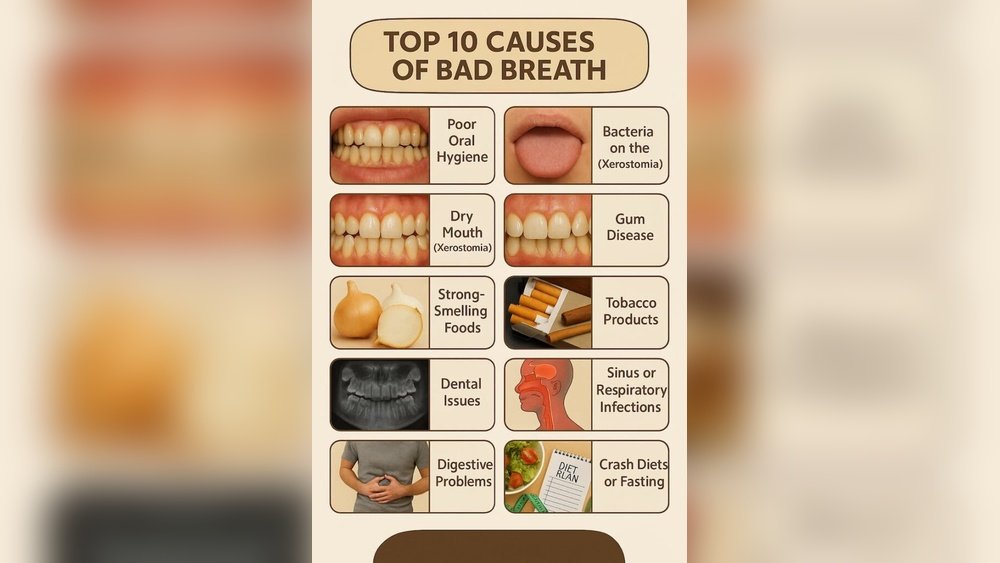
Waking up with bad breath is a common problem. You brush your teeth at night, but still, your mouth doesn’t feel fresh in the morning. This makes many people worried, especially when sharing a room or getting close to someone. Morning breath can be embarrassing, but it’s also a normal part of life. Understanding why your breath smells in the morning can help you control it and feel confident every day.
What Causes Morning Breath?
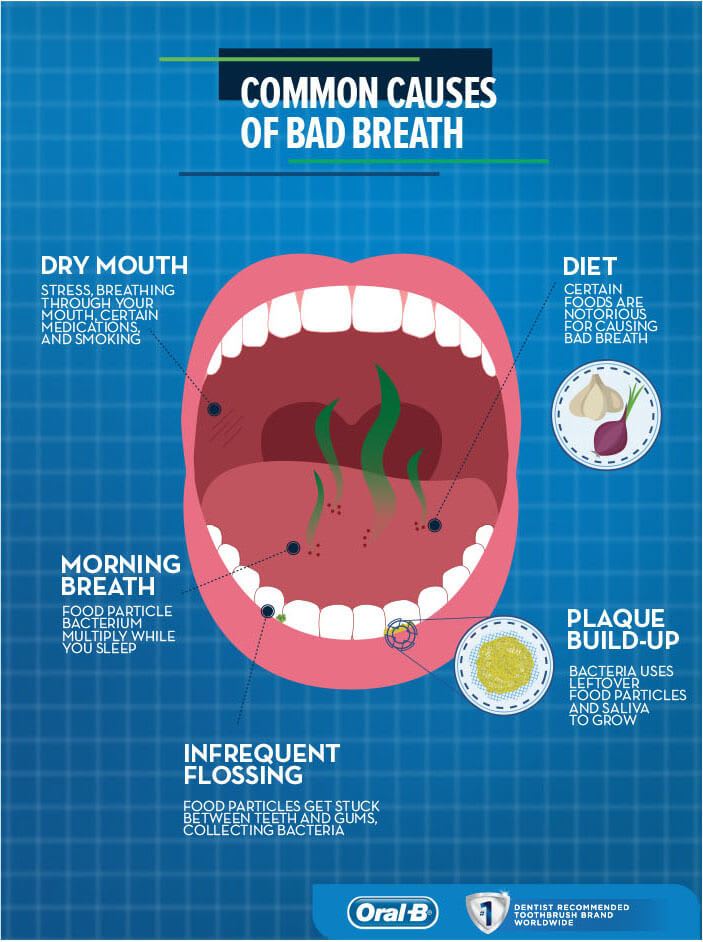
The main reason for morning breath is simple: your mouth gets dry while you sleep. Saliva helps clean the mouth and controls bacteria, but saliva production drops at night. Without enough saliva, bacteria grow more and release smelly compounds.
The Role Of Bacteria
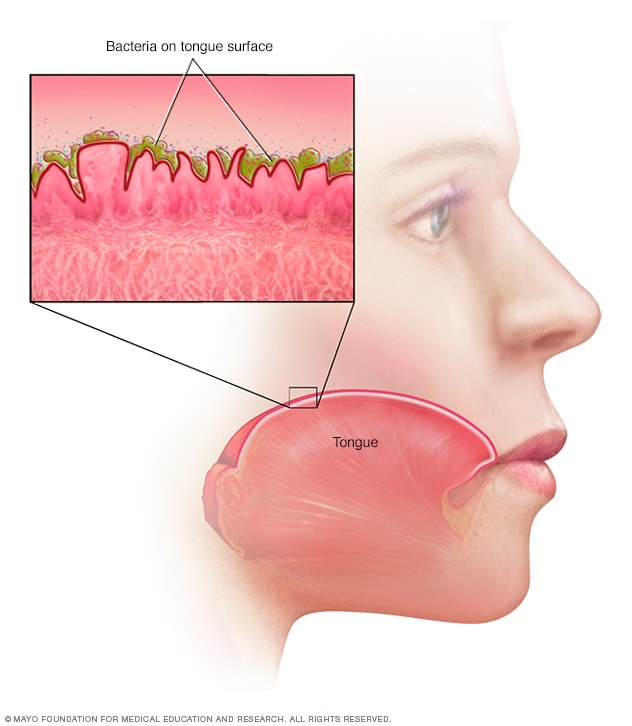
Hundreds of types of bacteria live in your mouth. Most are harmless, but some create sulfur compounds. These compounds smell like rotten eggs or onions. At night, when your mouth is dry, bacteria multiply and produce more odor.
Saliva And Its Importance
Saliva washes away food particles and bacteria. During sleep, saliva flow reduces by up to 90%. Without saliva, bacteria stick to your teeth, tongue, and gums. This is why the smell is worse after sleeping.
| Time of Day | Saliva Production | Bacterial Activity |
|---|---|---|
| Daytime | High | Lower |
| Nighttime | Low | Higher |
Other Factors That Make Breath Smell Worse
Besides dryness, other habits and conditions can make morning breath stronger.
- Poor oral hygiene: If you don’t brush and floss well, food and bacteria stay in your mouth. This creates more odor.
- Eating certain foods: Garlic, onions, and spicy meals leave oils in your mouth. These oils are absorbed into your blood and lungs, causing smell.
- Alcohol and tobacco: Both dry out your mouth and increase bacteria growth.
- Medical conditions: Sinus infections, acid reflux, diabetes, and gum disease can worsen bad breath.
Medicines And Health Issues
Some medications reduce saliva, such as antihistamines, antidepressants, and blood pressure drugs. Health problems like dry mouth syndrome or xerostomia make saliva even lower.
| Factor | Effect on Morning Breath |
|---|---|
| Poor oral care | Increases bacteria and odor |
| Spicy foods | Leaves strong oils in mouth |
| Alcohol/tobacco | Dries mouth, boosts bacteria |
| Medical issues | Can cause chronic bad breath |

Credit: www.pickettfamilydental.com
How To Reduce Morning Breath
You can take simple steps to control morning breath and feel fresher.
Improve Oral Hygiene
- Brush teeth and tongue thoroughly before bed.
- Floss daily to remove trapped food.
- Use mouthwash with antibacterial ingredients, but avoid those with too much alcohol.
Stay Hydrated
Drink water before sleep. This helps saliva production and washes away bacteria.
Watch Your Diet
Avoid strong-smelling foods in the evening. If you eat them, rinse your mouth afterward.
Treat Medical Issues
If you have sinus problems, acid reflux, or diabetes, follow your doctor’s advice. Treating these can help with bad breath.
Other Practical Tips
- Chew sugar-free gum after waking up.
- Clean dental appliances daily (such as dentures or retainers).
- Replace your toothbrush every 3 months.
| Method | Effectiveness | Extra Benefit |
|---|---|---|
| Brushing teeth | High | Prevents cavities |
| Brushing tongue | Medium | Reduces bacteria |
| Flossing | High | Removes trapped food |
| Mouthwash | Medium | Freshens breath |
Non-obvious Insights About Morning Breath
Many people think mouthwash alone will fix bad breath. However, mouthwash masks smell for a short time. It doesn’t remove the bacteria causing the odor. For lasting results, focus on brushing and flossing.
Another common mistake is ignoring the tongue. Most odor-causing bacteria live on the tongue’s surface. Using a tongue scraper or brushing your tongue can cut morning breath by up to 70%.
Credit: www.mayoclinic.org
When Should You Worry About Morning Breath?
Morning breath is usually harmless. But if your breath smells bad all day, it could signal a deeper problem. Chronic bad breath, or halitosis, may need a dentist’s help.
Watch for:
- Persistent smell after brushing
- Bleeding gums
- Tooth pain
- Dry mouth that doesn’t improve
If you notice these signs, see a dentist or doctor. It could be gum disease, infection, or another health issue.
Frequently Asked Questions
Why Is My Breath Worse In The Morning Compared To Other Times?
Your mouth dries out while you sleep, which lets bacteria grow and create more smelly compounds. During the day, saliva washes these away, so breath is usually fresher.
Can Morning Breath Be Prevented Completely?
It’s hard to stop it 100%. But brushing, flossing, drinking water, and cleaning your tongue can make breath much better.
Are Certain Foods The Main Cause Of Morning Breath?
Foods like garlic and onions add to morning breath. But dryness and bacteria are the main causes. Avoiding these foods at night can help, but good hygiene matters more.
Does Mouthwash Really Work For Morning Breath?
Mouthwash helps for a short time by masking odor. For lasting results, focus on brushing, flossing, and cleaning your tongue. Choose mouthwash with antibacterial ingredients, not just strong mint.
When Should I See A Dentist About Bad Breath?
If your breath smells bad all day, or you have pain, bleeding, or dry mouth, visit a dentist. It could mean gum disease or other health issues.
Waking up with smelly breath is normal, but you don’t have to accept it. Simple steps like brushing, cleaning your tongue, and drinking water can make mornings fresher. If the smell stays all day, talk to a dentist. For more details on oral hygiene and morning breath, visit Mayo Clinic. With the right habits, you can wake up with confidence and enjoy fresh mornings.
Credit: sunburydentalhouse.com.au