
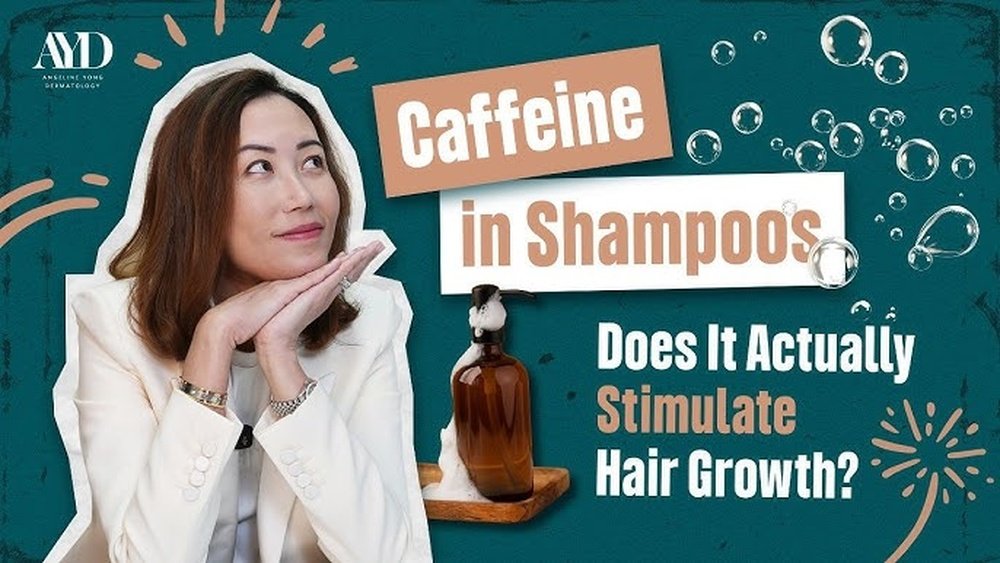
Many people searching for a solution to thinning hair come across caffeine shampoo. The promise sounds exciting: wash your hair, and caffeine will wake up your follicles and boost hair growth. But does caffeine shampoo actually stimulate growth, or is it just marketing hype? Let’s look at the science, real-world results, and what you should know before spending your money.
How Caffeine Shampoo Claims To Work
Caffeine shampoo is made with caffeine extract as its main active ingredient. The idea is simple. Caffeine, when applied to the scalp, is supposed to:
- Increase blood flow to hair follicles
- Block DHT, a hormone linked to hair loss
- Stimulate hair root activity and prolong the growth phase
These claims are mostly based on lab studies. In test tubes, caffeine can help hair follicles grow faster. But the real question is whether shampoo can deliver caffeine deep enough in your scalp to make a difference.
What The Research Really Shows
A few studies have looked at caffeine’s effect on hair growth. Let’s break down the findings:
- In vitro results: In lab tests (not on people), caffeine did stimulate hair follicle growth. One study in 2007 showed that caffeine helped human hair follicles grow faster in a petri dish.
- On scalp absorption: Research found caffeine can be absorbed through skin. However, the amount absorbed from shampoo is much lower than from other sources.
- Clinical trials: Only a handful of small human trials exist. One German study in 2014 compared caffeine shampoo to regular shampoo in men with androgenetic alopecia (pattern hair loss). The caffeine group had slightly less hair shedding, but the difference was not dramatic.
Here’s a quick comparison of key findings:
| Study Type | Main Result | Sample Size |
|---|---|---|
| Lab (in vitro) | Stimulated follicle growth | Small, test tubes |
| Human trial | Reduced hair shedding | 37 men |
| Absorption study | Caffeine absorbed, but limited | Unknown |

Credit: www.youtube.com
Comparing Caffeine Shampoo To Other Hair Loss Treatments
People often ask if caffeine shampoo is as effective as other treatments. Let’s look at common options:
| Treatment | Evidence Level | Effectiveness | Cost |
|---|---|---|---|
| Minoxidil (Rogaine) | High | Moderate to high | Medium |
| Finasteride (Propecia) | High | High | High |
| Caffeine Shampoo | Low to medium | Low to medium | Low |
As you can see, minoxidil and finasteride have much stronger evidence and results. Caffeine shampoo is easier to use and has fewer side effects, but its impact is generally less.
Real-world Results: What Users Experience
Many people use caffeine shampoo hoping for faster growth. Here’s what most users report:
- Slight reduction in shedding: Some notice less hair loss after a few weeks.
- Improved texture: Hair feels thicker and stronger.
- No miracle growth: Most do not see dramatic new hair growth.
- Good for scalp health: Caffeine shampoo can help with dryness or irritation.
One insight most beginners miss is that results depend on the cause of your hair loss. If your hair loss is due to stress, poor diet, or genetics, caffeine shampoo may not make a big difference. It works best as a supportive product, not a main treatment.

Credit: ayd.com.sg
Key Factors That Affect Results
If you’re thinking about trying caffeine shampoo, keep these points in mind:
- Application time matters: Studies suggest caffeine needs at least 2 minutes on the scalp to be absorbed.
- Consistency is key: Using it daily increases chances for results.
- Product quality varies: Not all caffeine shampoos have the same amount of caffeine. Look for brands that list caffeine high in the ingredient list.
Here is a comparison of popular caffeine shampoo brands:
| Brand | Caffeine Content | Other Ingredients | Price (USD) |
|---|---|---|---|
| Alpecin | High | Zinc, Niacin | 15 |
| Plantur 39 | Medium | Phytoflavones | 18 |
| OGX | Low | Biotin, Keratin | 10 |
Another insight: many shampoos include other active ingredients that support scalp health, so effects may not be due to caffeine alone.
Risks And Side Effects
Caffeine shampoo is generally safe for most people. Common side effects are mild:
- Scalp irritation: Rare, usually from other shampoo ingredients.
- Dryness: Sometimes occurs if used too often.
- Allergic reaction: Uncommon, but check for sensitivity.
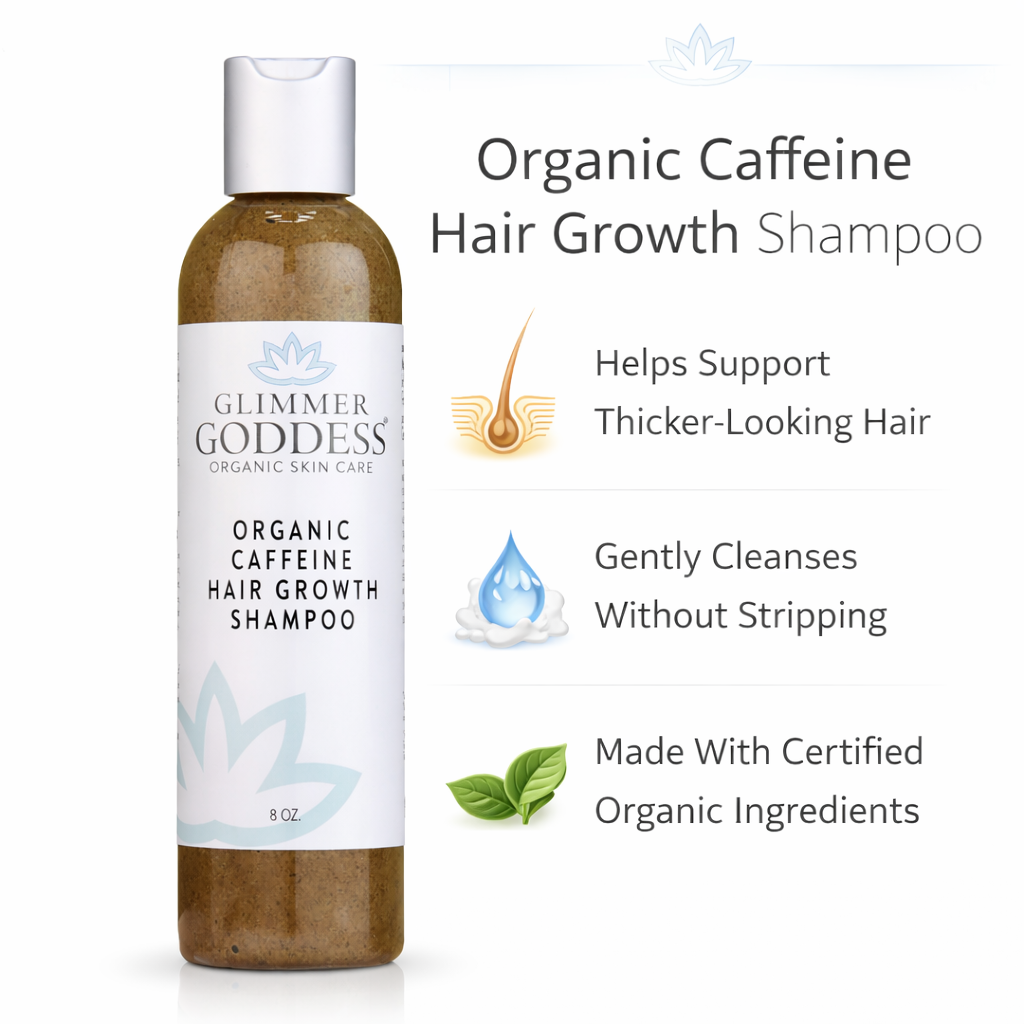
Unlike oral caffeine, the shampoo will not cause jitters or insomnia. If you have sensitive skin, test the shampoo on a small area first.
Credit: glimmergoddess.com
Should You Use Caffeine Shampoo?
If you have mild hair loss or want to support hair health, caffeine shampoo is a low-risk option. Don’t expect major regrowth, but you might see less shedding and thicker hair after several weeks. For serious hair loss, talk to a dermatologist about proven treatments.
For more scientific information on caffeine and hair growth, see this Wikipedia page.
Frequently Asked Questions
Does Caffeine Shampoo Really Work For Hair Growth?
Caffeine shampoo may help reduce hair shedding and improve hair thickness for some people, but it does not cause dramatic new growth. The effect is usually mild and works best as a support.
How Long Does It Take To See Results?
Most users see changes in hair texture or shedding after 4–8 weeks of regular use. Results depend on how consistently you use the shampoo and your hair loss cause.
Is Caffeine Shampoo Safe For Daily Use?
Yes, caffeine shampoo is safe for most people. It rarely causes side effects, but if you notice irritation or dryness, reduce frequency or switch brands.
Can I Use Caffeine Shampoo With Other Treatments?
Absolutely. You can use caffeine shampoo alongside minoxidil or finasteride. It may help keep your scalp healthy and support overall hair care.
Will Caffeine Shampoo Help If My Hair Loss Is Genetic?
It may help a little with shedding, but it is not as effective as prescription treatments for genetic hair loss. If you have pattern baldness, consult a doctor for stronger options.
Caffeine shampoo is not a miracle cure, but it can be a useful tool in your hair care routine. If you want to try it, choose a product with high caffeine content and use it regularly. Remember, the best results come from combining good habits, a healthy scalp, and proven treatments.