
Many people use mouthwash as part of their daily oral care routine. But a common question comes up: Should you use mouthwash before or after brushing? This may seem like a small detail, but it can affect how well you protect your teeth and gums. Dentists often give different advice, and mouthwash products themselves may have varying instructions. Let’s clear up the confusion with science, practical advice, and real examples.
Why Mouthwash Matters
Mouthwash is more than a breath freshener. It helps reduce bacteria, fight plaque, and protect against gum disease. Some mouthwashes have fluoride, which strengthens teeth. Others focus mainly on killing germs or freshening breath.
Studies show that using mouthwash can lower the risk of cavities and gum problems. The American Dental Association notes that antimicrobial mouthwashes can reduce plaque by up to 20% when used regularly. However, when you use mouthwash in your routine changes how much benefit you get.
Mouthwash Before Brushing: Pros And Cons
Some experts suggest using mouthwash before brushing. Here’s why:
| Benefit | Explanation |
|---|---|
| Loosens Debris | Mouthwash can help wash away food particles and bacteria, making brushing more effective. |
| Reduces Germs | Antimicrobial mouthwash lowers bacteria, so brushing can clean away what’s left. |
But there are drawbacks:
- If your mouthwash contains fluoride, rinsing before brushing removes the chance for fluoride to stay on your teeth.
- Some mouthwashes may leave a taste that makes brushing less pleasant.
Non-obvious insight: Using mouthwash before brushing can help people with sensitive gums. It reduces bacteria, so brushing feels less harsh.
Mouthwash After Brushing: Pros And Cons
Most dentists recommend using mouthwash after brushing. Here’s why this method is popular:
| Benefit | Explanation |
|---|---|
| Fluoride Protection | If your mouthwash has fluoride, using it after brushing lets fluoride coat your teeth. |
| Long-lasting Freshness | Mouthwash leaves a fresh taste, which lasts longer after brushing. |
| Better Plaque Control | Brushing removes debris, so mouthwash can reach all surfaces for maximum effect. |
But there’s one thing to watch out for:
- Rinsing immediately after brushing with mouthwash can wash away toothpaste fluoride. This is especially true if the mouthwash does not contain fluoride.
Non-obvious insight: Waiting 20-30 minutes after brushing before using mouthwash helps keep toothpaste fluoride on your teeth longer.
Comparing Mouthwash Types
Not all mouthwashes are the same. Some are cosmetic (for fresh breath), others are therapeutic (for health benefits). Here’s a quick comparison:
| Type | Main Purpose | Contains Fluoride? |
|---|---|---|
| Cosmetic | Freshens breath, removes odors | No |
| Antimicrobial | Reduces bacteria, fights gum disease | No |
| Fluoride | Strengthens teeth, prevents decay | Yes |
If your mouthwash is fluoride-based, use it after brushing, but avoid rinsing your mouth with water right after. This lets fluoride stay longer. For antimicrobial types, timing is less strict but after brushing is still best.

Credit: www.sendhildental.com
What Do Studies And Dentists Say?
Research shows mixed results. A study in the Journal of Clinical Dentistry found that using mouthwash after brushing improved overall oral health more than using it before. Dentists from the American Dental Association recommend brushing first, then using mouthwash—especially if it contains fluoride.
However, some experts say if you use a non-fluoride mouthwash, timing is less important. The key is to follow the instructions on the product and avoid rinsing with water after mouthwash.
Practical Steps For Best Results
To get the most from your routine:
- Brush your teeth for at least two minutes.
- Wait 20-30 minutes if you use a fluoride toothpaste before rinsing with mouthwash.
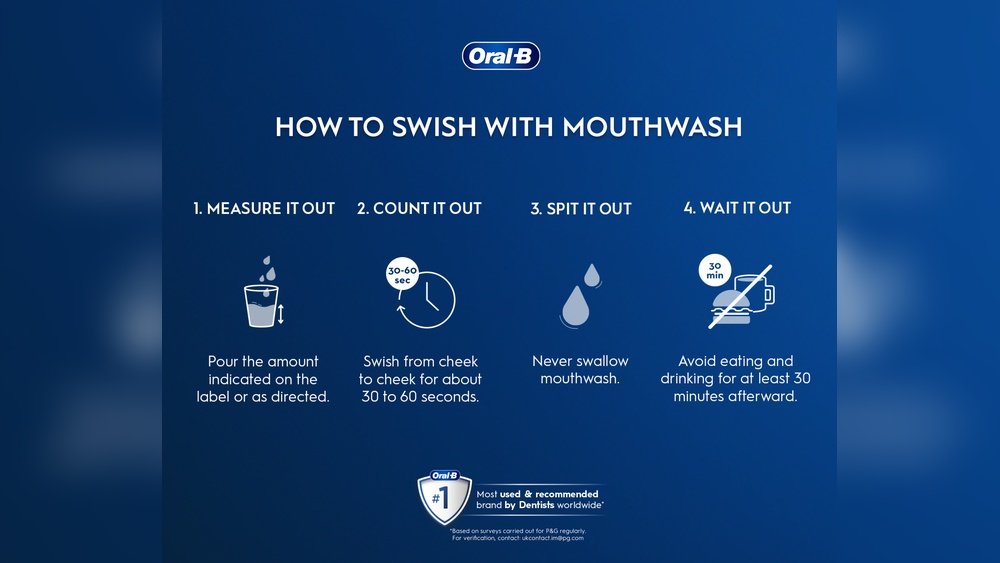
- Use mouthwash as directed, usually 30 seconds to one minute.
- Don’t eat or drink for at least 30 minutes after using mouthwash.
This ensures fluoride and other ingredients can work effectively.
Common Mistakes To Avoid
- Rinsing with water right after mouthwash cancels many benefits.
- Using mouthwash with alcohol can cause dry mouth for some people.
- Swallowing mouthwash is harmful; always spit it out.
- Overusing mouthwash can irritate gums. Once or twice daily is enough.
Who Should Use Mouthwash?
Mouthwash is helpful for most people, but especially useful for:
- People with braces or dental appliances.
- Those with a high risk of cavities or gum disease.
- People who want extra protection beyond brushing and flossing.
Children under six should not use mouthwash unless recommended by a dentist.
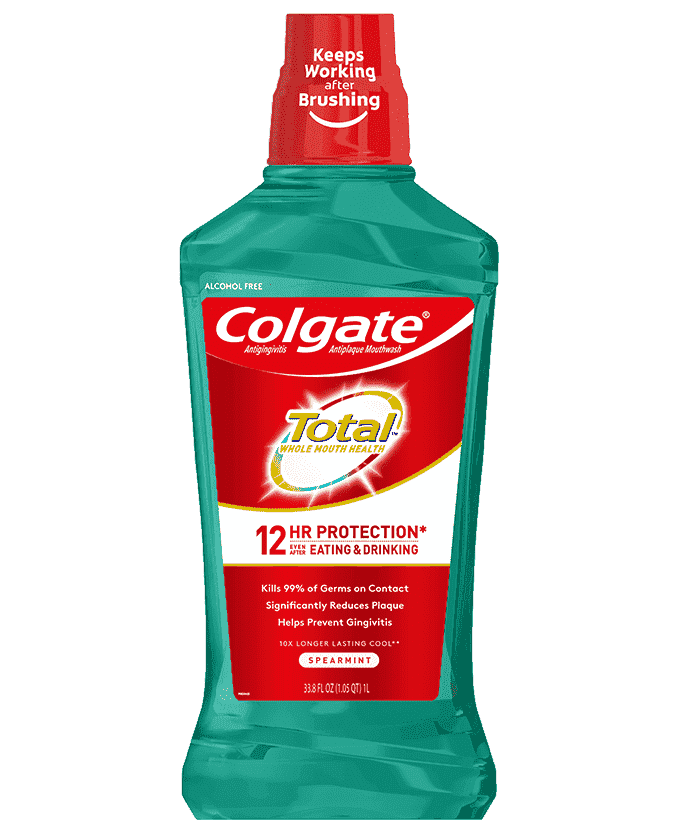
Credit: www.colgate.com
The Bottom Line
For most people, using mouthwash after brushing is best, especially if your mouthwash has fluoride. It protects teeth and leaves your mouth feeling fresh. If your mouthwash is non-fluoride, timing is less strict. Always follow the instructions on your mouthwash, and remember not to rinse with water afterward.
If you want more detailed guidance, check official sources like the American Dental Association.
Frequently Asked Questions
What Happens If I Use Mouthwash Before Brushing?
Using mouthwash before brushing can help remove loose debris and reduce bacteria. However, you may miss out on fluoride benefits if your mouthwash contains fluoride.
Should I Rinse With Water After Mouthwash?
No. Rinsing with water washes away the helpful ingredients in mouthwash, especially fluoride. Spit out the mouthwash and wait before eating or drinking.
Can I Use Mouthwash And Toothpaste With Fluoride Together?
Yes. But for best results, use mouthwash after brushing, and wait 20-30 minutes to let toothpaste fluoride stay on your teeth longer.
Is Mouthwash Safe For Children?
Mouthwash is not recommended for children under six, unless a dentist advises. Younger children may swallow it, which can be harmful.
How Often Should I Use Mouthwash?
Most people should use mouthwash once or twice a day. Using it more often can cause gum irritation or dry mouth, especially with alcohol-based mouthwashes.
Choosing the right timing for mouthwash can make your oral care routine much stronger. For most, mouthwash after brushing gives the best protection. Remember, small changes in your routine can have big effects on your dental health.
Credit: archdentalnorthampton.com