
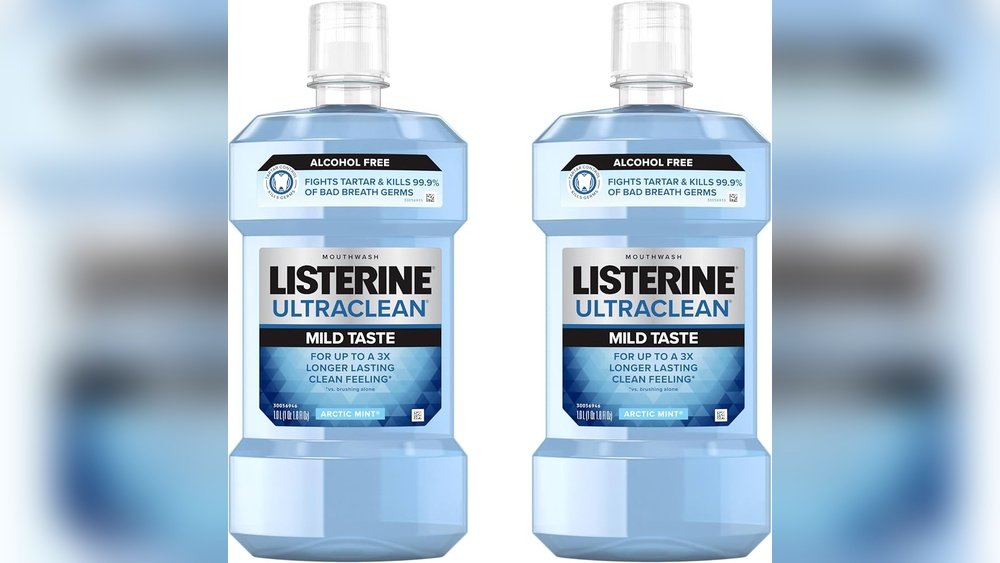
Many people want a fresh, healthy mouth without the burning sting of alcohol. Alcohol-free mouthwash is now common on store shelves, often labeled “gentle” or “for sensitive mouths. ” But does skipping the alcohol make these mouthwashes less effective? If you’re trying to choose the best mouthwash for your needs, it’s important to know the facts behind these claims.
What Does Alcohol Do In Mouthwash?
Alcohol, usually ethanol, is added to many mouthwashes. Its main role is to help dissolve and mix the other ingredients. It also kills some bacteria, giving a feeling of freshness. Most traditional mouthwashes contain about 18–26% alcohol.
Alcohol in mouthwash can:
- Kill germs that cause bad breath
- Help fight plaque and gingivitis
- Create a strong, clean sensation
However, alcohol does not stay in the mouth long enough to kill all bacteria. It evaporates quickly. This means its effect is often short-lived.
How Alcohol-free Mouthwash Works
Alcohol-free mouthwashes use other ingredients to fight bacteria and clean the mouth. Common alternatives include:
- Cetylpyridinium chloride (CPC)
- Chlorhexidine
- Essential oils (like eucalyptol, menthol, thymol)
- Fluoride
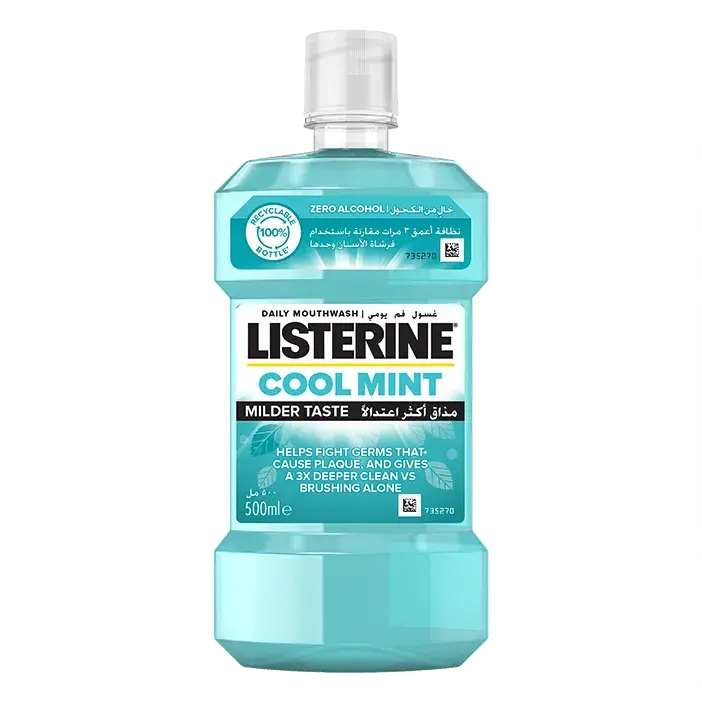
These ingredients can target germs, reduce plaque, and freshen breath—often without the burning feeling. Many alcohol-free options are designed for sensitive gums or people with a dry mouth.
Credit: www.listerine-me.com
Comparing Effectiveness: Alcohol Vs Alcohol-free
Many studies have tested alcohol-based and alcohol-free mouthwashes side by side. The results might surprise you.
| Type | Main Ingredients | Targets | Typical Side Effects |
|---|---|---|---|
| Alcohol-based | Ethanol, essential oils | Bacteria, plaque, bad breath | Burning, dry mouth, taste change |
| Alcohol-free | CPC, fluoride, essential oils | Bacteria, plaque, bad breath | Mild or no burning, gentle on mouth |
What Does The Research Say?
- Plaque & Gingivitis: Studies in dental journals show that alcohol-free mouthwashes with CPC or essential oils can be just as effective as those with alcohol at reducing plaque and gingivitis when used daily.
- Bad Breath: Both types help reduce bad breath. Alcohol-free options often use zinc or chlorine dioxide, which neutralize odor as well as alcohol-based washes.
- Long-Term Use: Alcohol-free products are better for people with dry mouth, sensitive gums, or mouth sores. They are also safer for children and those who avoid alcohol for health or religious reasons.
A 2015 meta-analysis in the Journal of Clinical Dentistry found “no significant difference” between alcohol and alcohol-free mouthwashes for plaque and gingivitis control after 6 months of use.
Key Differences Beyond Effectiveness
Effectiveness is important, but alcohol-free mouthwashes offer other benefits:
| Feature | Alcohol-based | Alcohol-free |
|---|---|---|
| Sensation | Strong, burning | Mild, gentle |
| Safe for children | No | Yes (check label for age) |
| Risk for dry mouth | High | Low |
| Use with oral sores | Can irritate | Usually safe |
When To Choose Alcohol-free
- If you experience dry mouth, burning, or irritation
- For children or people with addiction history
- If you have mouth ulcers or sensitive tissues
When Alcohol-based May Be Useful
- For a strong, intense clean feeling
- If you prefer a “classic” mouthwash taste
- When no sensitivity issues exist
Common Myths About Alcohol-free Mouthwash
Some people think alcohol-free means less powerful. This is not true. Here are two common myths:
- Myth: Only alcohol kills germs.
- Fact: Ingredients like CPC and essential oils also kill germs and fight plaque.
- Myth: Alcohol-free mouthwash is just flavored water.
- Fact: Most alcohol-free rinses have active ingredients that are proven to work.
Non-obvious Insights Most People Miss
First, many users don’t realize that overusing alcohol-based mouthwash can worsen dry mouth. This makes bad breath worse over time, not better.
Second, alcohol-free mouthwash is often better for long-term dental health. It encourages users to rinse more often, as there’s no discomfort. This consistent use is what really helps reduce plaque and gingivitis.

Credit: www.drbicuspid.com
Practical Tips For Choosing A Mouthwash
- Check the label: Look for active ingredients, not just “alcohol-free.”
- Match to your needs: Sensitive gums? Go alcohol-free. Want a strong flavor? Try alcohol-based.
- Ask your dentist: They can suggest the best type for your mouth’s needs.
- Try sample sizes: Small bottles let you test different types without wasting money.
Also, don’t use mouthwash right after brushing with fluoride toothpaste. Rinsing too soon can wash away the fluoride that protects your teeth.
Are There Any Safety Concerns?
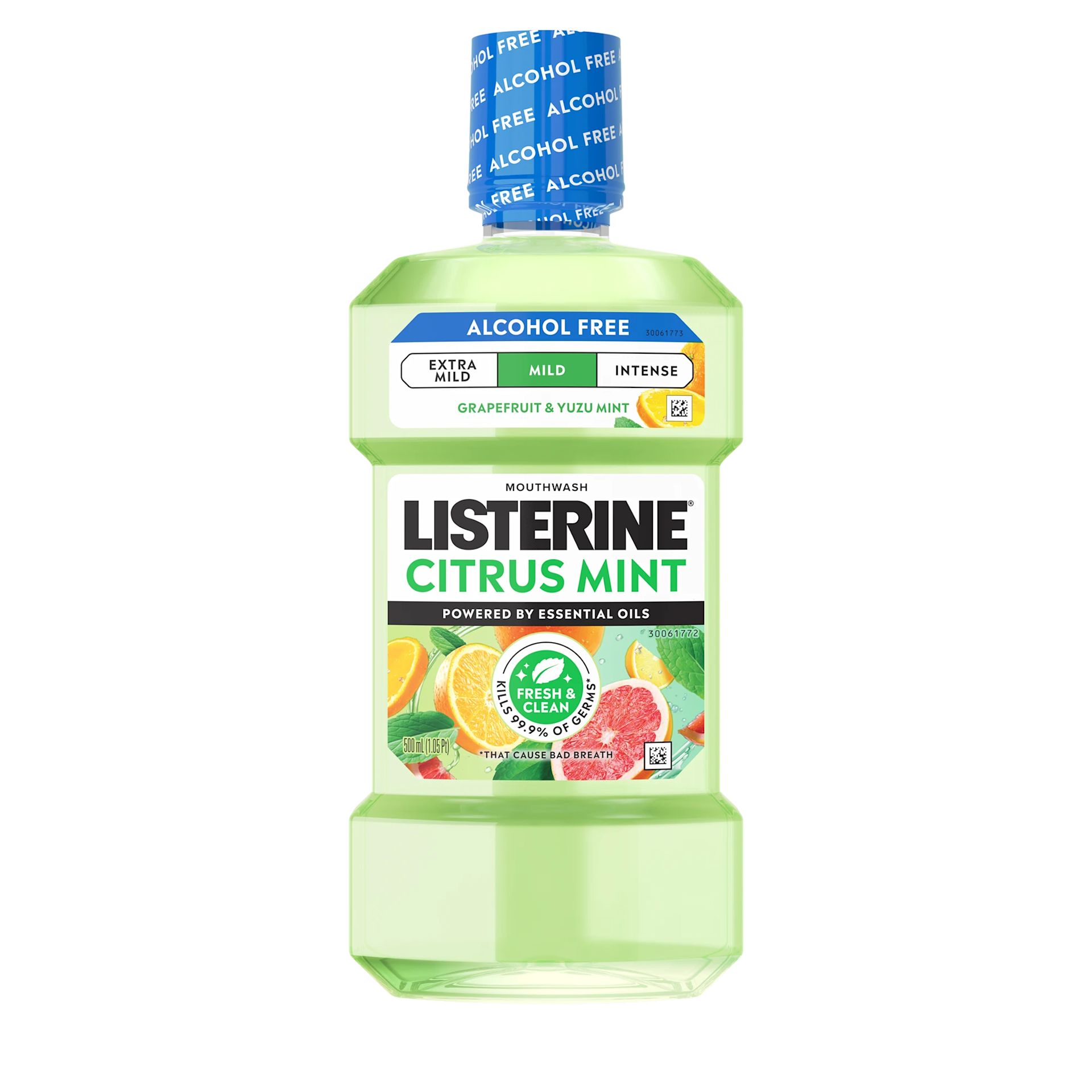
Alcohol-based mouthwashes are not safe for young children or people with a history of alcohol addiction. Swallowing even small amounts can be dangerous. Alcohol-free options are usually safer, but always check the age guidelines on the bottle.
Some alcohol-free rinses contain chlorhexidine, which is very effective but can stain teeth with long-term use. Only use these under dental supervision.
Credit: www.listerine.com
The Bottom Line
Alcohol-free mouthwash is not less effective for most people. It offers the same basic benefits—fresh breath, less plaque, and healthier gums—without the risk of burning or dryness. For daily use, especially if you have a sensitive mouth, alcohol-free is often the better choice. Pay attention to active ingredients, your comfort, and your dentist’s advice. For more scientific details, you can visit the Wikipedia page on mouthwash.
Frequently Asked Questions
Is Alcohol-free Mouthwash Safe For Children?
Yes, most alcohol-free mouthwashes are safer for children than alcohol-based ones. Always check the label for age recommendations.
Does Alcohol-free Mouthwash Prevent Cavities?
Many alcohol-free mouthwashes contain fluoride, which helps prevent cavities. Choose one with fluoride for best protection.
Can Alcohol-free Mouthwash Kill Germs?
Yes, ingredients like CPC and essential oils can kill bacteria and freshen breath without alcohol.
Why Do Some Dentists Still Recommend Alcohol-based Mouthwash?
Some dentists suggest alcohol-based products for patients who want a strong, intense clean feeling. However, most agree alcohol-free is just as effective for daily use.
Will Alcohol-free Mouthwash Help With Dry Mouth?
Yes, it’s a better option for people with dry mouth. Alcohol-free rinses don’t dry out the mouth and are gentler on sensitive tissues.