
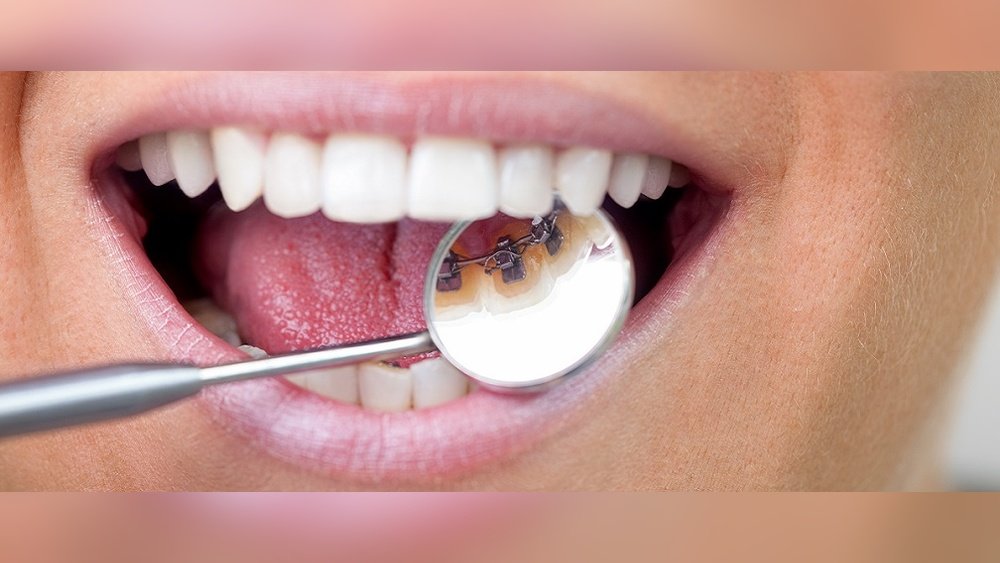
Braces are a big step toward a healthier, straighter smile. But they also bring new challenges for your daily oral care. Many people wonder: Can you use mouthwash with braces? The answer is yes, but not every mouthwash is safe, and not every method works well. Let’s explore how mouthwash fits into your routine, which types are best, and what mistakes to avoid.
Why Mouthwash Matters With Braces
Braces create tight spaces that trap food and plaque. Even with careful brushing and flossing, some areas are hard to reach. Mouthwash helps by:
- Killing bacteria in places your toothbrush misses
- Reducing inflammation and gum disease risk
- Freshening breath when brushing isn’t possible
According to the American Association of Orthodontists, over 4 million people in the US wear braces. Studies show that using mouthwash reduces plaque by up to 20% more than brushing alone.
Besides plaque, food particles stuck around brackets can cause bad breath and even infections if ignored. Mouthwash helps flush out these particles. For teens or adults who eat at school or work, mouthwash can be an easy way to clean your mouth when brushing isn’t possible.
Many people don’t realize that mouthwash also soothes irritated gums, which is common when your mouth is adjusting to braces.
Choosing The Right Mouthwash For Braces
Not all mouthwashes are created equal. Some contain alcohol, strong flavors, or ingredients that could irritate your gums or damage brace parts.
| Type | Best for Braces? | Key Features |
|---|---|---|
| Alcohol-Free | Yes | Gentle, non-irritating |
| Fluoride | Yes | Strengthens enamel, fights cavities |
| Whitening | No | Can cause uneven color, irritation |
| Therapeutic | Yes | Targets gingivitis, bacteria |
Alcohol-free mouthwash is safest for most people with braces. It won’t dry out your mouth or cause discomfort. Fluoride mouthwash is also a smart choice because braces make teeth harder to clean, raising cavity risk.
Therapeutic mouthwashes, which often target gum disease, may be recommended by your orthodontist if you are prone to bleeding gums or swelling. If you have sensitive teeth, look for a mouthwash labeled “sensitive. ” Avoid whitening types, since they can create uneven color—your teeth under the brackets won’t get whitened, leading to spots when braces come off.
A less obvious tip: always check the ingredient list for chlorhexidine or other medicated ingredients. These are powerful but only needed if your dentist prescribes them. Using these without a real need can actually cause staining or other side effects.

Credit: saxeortho.com
How To Use Mouthwash Properly With Braces
Using mouthwash the right way helps you get the most benefit and avoid problems.
- Brush and floss first. Mouthwash works best when your mouth is already clean.
- Use the correct amount. Most brands recommend 20 ml (about 4 teaspoons).
- Swish for 30 seconds to 1 minute. Make sure you reach all areas, especially around brackets and wires.
- Spit out. Do not swallow mouthwash.
- Wait 30 minutes before eating or drinking. This lets the mouthwash work longer.
| Step | Purpose | Common Mistake |
|---|---|---|
| Brushing | Removes surface debris | Skipping flossing |
| Mouthwash | Kills hidden bacteria | Swallowing mouthwash |
| Waiting | Lets mouthwash work | Eating right after |
Many people make the mistake of using mouthwash instead of brushing. Mouthwash is not a substitute—it’s an extra step.
Another common error is rinsing with water right after using mouthwash. This washes away the protective ingredients before they can work. If you feel the mouthwash is too strong, try diluting it slightly with water, but don’t rinse your mouth afterward.
One more insight: swishing gently but thoroughly is more effective than hard, fast swishing, which can miss tight corners around brackets.
Common Mistakes To Avoid
With braces, some mouthwash habits can cause trouble:
- Using mouthwash with alcohol: This dries your mouth and makes gum irritation worse.
- Choosing whitening mouthwash: Braces block areas of your teeth, so whitening can leave uneven color patches.
- Swallowing mouthwash: Even if it’s alcohol-free, swallowing can upset your stomach.
- Skipping mouthwash: Braces make your mouth harder to clean, so skipping this step increases your risk of decay and gum disease.
One less-known issue is overusing mouthwash. Using it more than twice daily can disrupt the natural balance of bacteria in your mouth. This can lead to dry mouth and more cavities.
Some people try to make homemade mouthwash with vinegar or hydrogen peroxide. These can damage both your teeth and braces if not used correctly. Always ask your dentist before trying any homemade solutions.
Also, don’t switch mouthwashes too often. Changing formulas every week can confuse your mouth and may increase sensitivity or irritation. Stick with one that works for you unless your orthodontist advises a change.
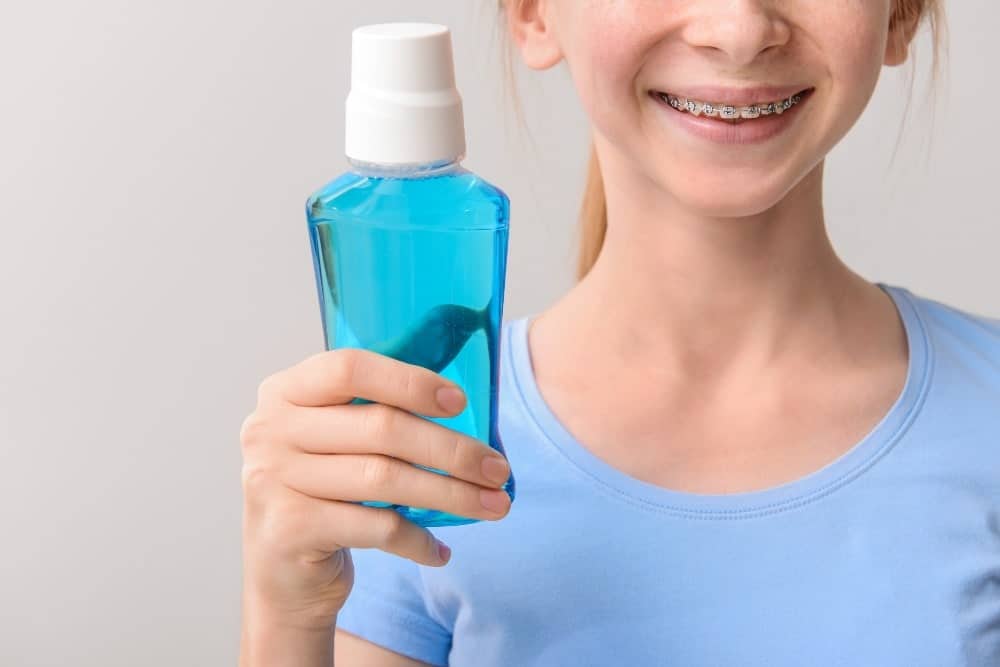
Credit: dramyortho.com
Extra Tips For Oral Care With Braces
Mouthwash is just one part of a complete braces care routine. Here are some practical ways to keep your mouth healthy:
- Use a soft-bristle toothbrush to avoid damaging brackets.
- Try an interdental brush or water flosser for cleaning between wires.
- Avoid sticky, sugary foods that get stuck in braces.
- Visit your orthodontist regularly for check-ups.
| Tip | Benefit |
|---|---|
| Soft toothbrush | Prevents brace damage |
| Interdental brush | Cleans tight spaces |
| Regular dentist visits | Early problem detection |
An insight many beginners miss: Saliva is your natural defense. Drinking water often helps keep your mouth clean and reduces bacteria.
If you play sports, use a mouthguard to protect both your braces and your mouth. Also, check your braces and wires in the mirror daily. If you notice any loose wires or brackets, see your orthodontist right away—broken parts can make cleaning even harder and increase the risk of trapped food and bacteria.
Chewing sugar-free gum (if your orthodontist allows it) can also stimulate saliva and help clear away small food particles between meals.
When To See A Dentist
If you notice bleeding gums, persistent bad breath, or white spots on your teeth while using mouthwash, contact your dentist. These can be signs of infection or that your mouthwash isn’t working as expected.
Some people experience mouth ulcers or sensitivity with certain mouthwash ingredients. Try switching brands or types if you have reactions. Your orthodontist can recommend products safe for your specific braces.
Don’t ignore ongoing discomfort. Sometimes, a simple change in product or technique can solve the problem, but ongoing pain or bleeding could signal a more serious issue that needs professional care. It’s always better to ask than to guess, especially if you’re new to braces.
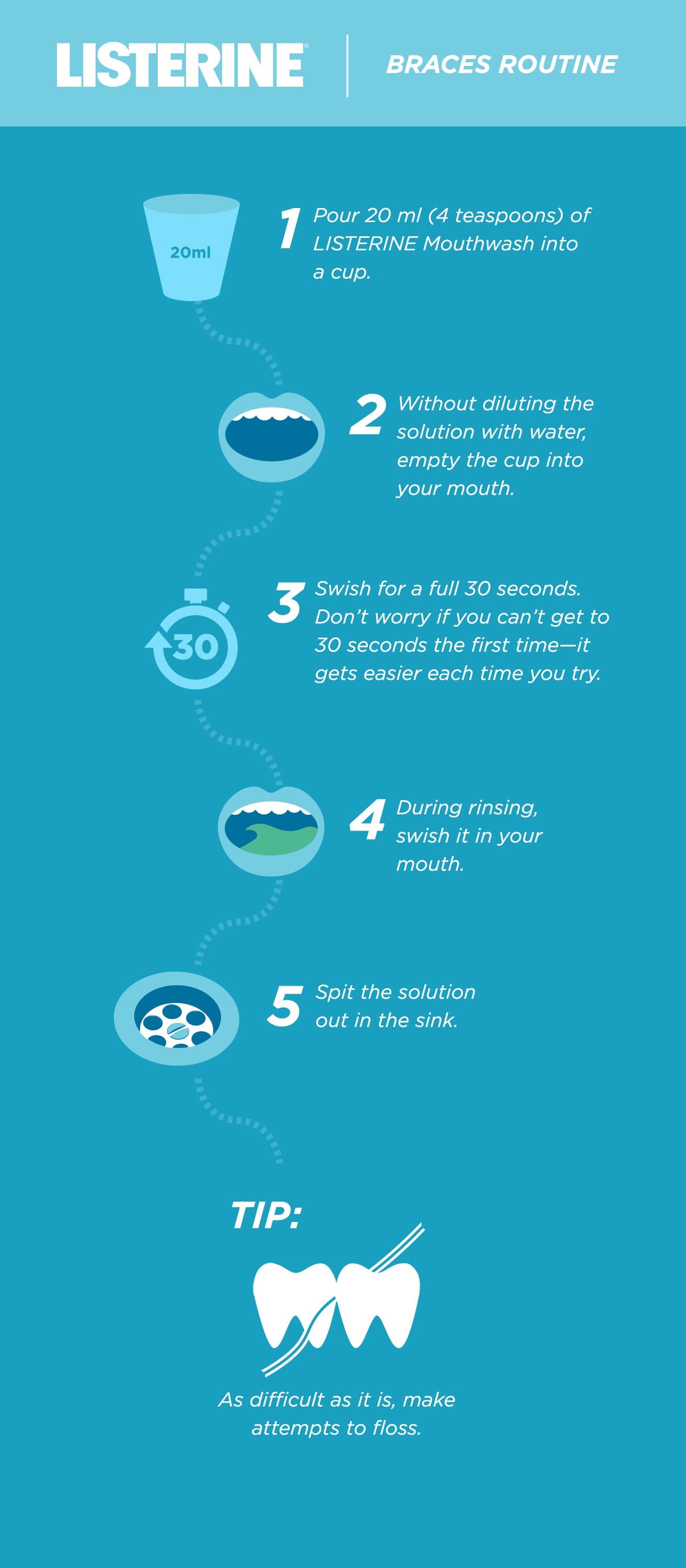
Credit: www.listerine.in
Frequently Asked Questions
Can Mouthwash Damage My Braces?
No, most mouthwashes do not harm braces if you use them correctly. Avoid mouthwashes with strong chemicals or alcohol, which may irritate gums. Always check with your orthodontist if you are unsure.
How Often Should I Use Mouthwash With Braces?
Once or twice daily is enough for most people. Overuse can cause dry mouth or upset the balance of good bacteria. Use mouthwash after brushing, not as a replacement.
Is It Safe To Use Mouthwash For Kids With Braces?
Yes, but choose alcohol-free mouthwash and supervise children to ensure they do not swallow it. Some brands offer formulas specifically for kids.
What Should I Do If Mouthwash Causes Irritation?
Stop using the mouthwash and rinse your mouth with water. Try a gentler, alcohol-free option. If irritation continues, consult your dentist or orthodontist.
Are There Alternatives To Mouthwash For Braces Care?
Water flossers and saltwater rinses are good options. They help clean around braces without chemicals. For more information, check the American Association of Orthodontists.
Braces make oral care more complex, but mouthwash is a safe and helpful tool when used wisely. Choose gentle, fluoride-rich products and follow proper steps. With these habits, you’ll protect your teeth, gums, and investment in a healthier smile.