
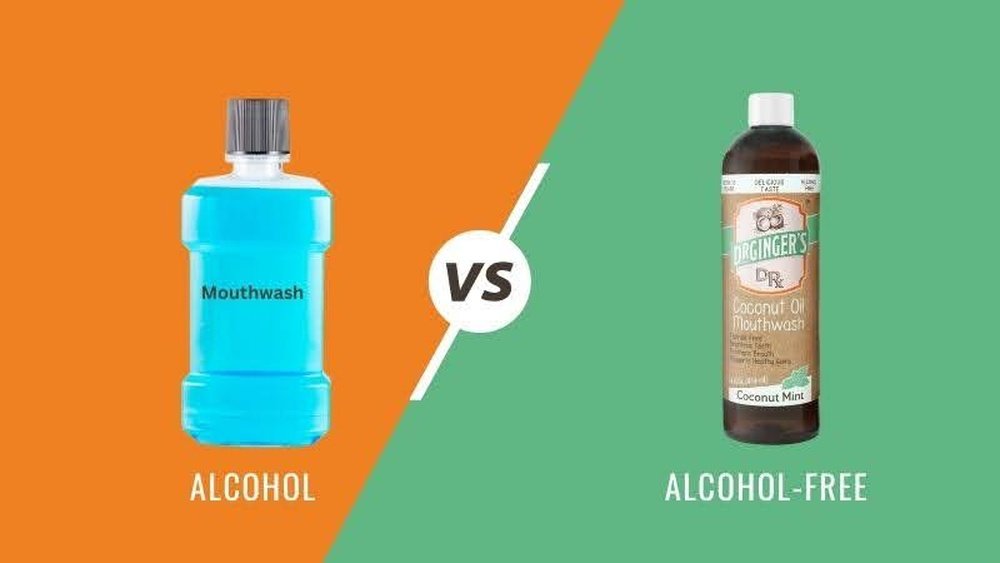
Alcohol-free Vs Alcohol Mouthwash: Pros & Cons
Choosing the right mouthwash can feel confusing. You see many bottles on store shelves: some say alcohol-free, others list alcohol as a main ingredient. Which one is better for your teeth and gums? Why do some dentists recommend alcohol-free options, while others say alcohol mouthwash is more effective? This article breaks down the real pros and cons, so you can make a smart choice for your oral health.
What Makes Mouthwash Different?
Mouthwash is a liquid used to rinse your mouth, kill bacteria, and freshen breath. There are two main types:
- Alcohol mouthwash: Contains ethyl alcohol (usually 18–26%). Examples include Listerine and Scope.
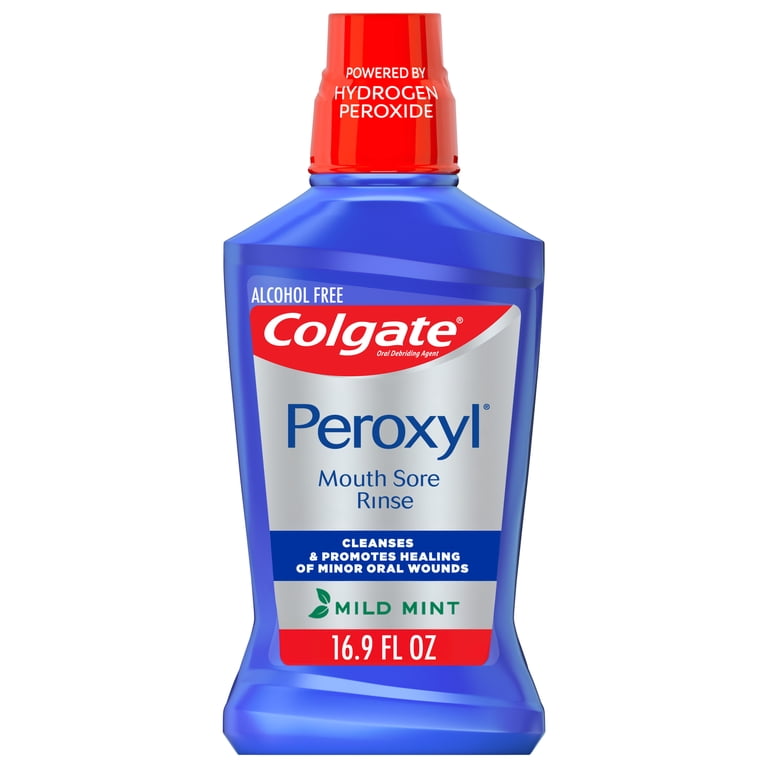
- Alcohol-free mouthwash: Uses other ingredients like cetylpyridinium chloride, essential oils, or fluoride. Popular brands include Crest Pro-Health and Biotene.
Why does this difference matter? Alcohol changes how mouthwash works in your mouth, affects taste, and can impact your oral tissues.
Comparing Effectiveness: Alcohol Vs Alcohol-free
Many people believe alcohol mouthwash is stronger. But is it true?
| Mouthwash Type | Bacteria Reduction | Fresh Breath | Gum Health |
|---|---|---|---|
| Alcohol | High (up to 99.9%) | Strong | Good |
| Alcohol-Free | Moderate to High | Mild to Strong | Very Good |
Research shows both types can reduce oral bacteria, but alcohol-free mouthwash is almost as effective. Alcohol helps dissolve oils and reach bacteria deep in your mouth, but new formulas without alcohol can do a similar job.
Pros & Cons Of Alcohol Mouthwash
Advantages
- Powerful bacteria kill: Alcohol can kill up to 99.9% of germs in your mouth.
- Strong flavor: Many users like the intense taste and feeling of freshness.
- Widely available: Most drugstores stock alcohol-based brands.
Disadvantages
- Dry mouth risk: Alcohol can remove moisture, making your mouth dry. This is called xerostomia.
- Irritation: It may sting or burn, especially if you have mouth sores.
- Not for kids: Alcohol is unsafe for children under 12.
- Linked to oral health issues: Some studies suggest heavy alcohol mouthwash use may increase risk of oral cancer, though evidence is mixed.
Pros & Cons Of Alcohol-free Mouthwash
Advantages
- Gentle on tissues: No burning or stinging, even for sensitive mouths.
- Safe for all ages: Can be used by children, elderly, and people with dry mouth.
- No dry mouth: Helps maintain saliva, which protects teeth.
- Special formulas: Many alcohol-free options have fluoride or extra ingredients for gum health.
Disadvantages
- Milder taste: Some users feel it does not leave their mouth as fresh.
- May need longer rinsing: Alcohol-free mouthwash sometimes needs more time to work.
- Less traditional: Older patients may be used to alcohol mouthwash and doubt effectiveness.
Credit: www.walmart.com
Who Should Use Alcohol-free Mouthwash?
Certain people benefit more from alcohol-free options:
- Dry mouth sufferers: If you take medication or have medical conditions causing dry mouth, alcohol-free is safer.
- Children and teens: It’s recommended for anyone under 12.
- People with sensitive gums: Alcohol-free mouthwash reduces burning and irritation.
- Orthodontic patients: Braces can cause mouth sores, so gentler rinses help.
Data: Mouthwash Safety & Popularity
| Group | Preferred Type | Reported Issues |
|---|---|---|
| Adults (18–65) | Alcohol | Dry mouth (30%), irritation (20%) |
| Children (<18) | Alcohol-Free | None |
| Seniors (>65) | Alcohol-Free | Dry mouth (40%), soreness (25%) |
Surveys show about 40% of Americans use mouthwash daily. Of these, 60% prefer alcohol-free, especially among seniors and families.
Credit: valleycreekdentalcare.com
Common Myths About Mouthwash
- “Alcohol mouthwash is always better.”
Not true. New studies show alcohol-free mouthwash can be just as effective, especially for gum health.
- “Alcohol-free mouthwash can’t kill germs.”
Alcohol-free products use other ingredients proven to fight bacteria.
- “Alcohol mouthwash causes cancer.”
There is no clear proof, but heavy and long-term use is discouraged by some dentists.
Practical Tips For Choosing Mouthwash
- Check your needs: Are you looking for fresh breath, cavity protection, or gum health?
- Read the label: Look for alcohol content, fluoride, and active ingredients.
- Ask your dentist: They can recommend what’s best for your mouth condition.
- Test for sensitivity: Try alcohol-free if you feel burning or dryness after rinsing.
- Watch out for misleading claims: Some brands use “alcohol-free” but still contain strong chemicals.
Real-world Example
Sarah, age 45, switched from alcohol mouthwash to alcohol-free after getting mouth ulcers. She noticed less burning and her mouth felt moist all day. Her dentist confirmed her gums were healthier after three months. This is a common result for those with sensitive oral tissues.
How Mouthwash Works With Other Oral Care
Mouthwash is just one part of your oral care routine. Brushing and flossing are more important for preventing cavities. Mouthwash helps by killing leftover bacteria and reaching spots you miss with a toothbrush. For best results, rinse after brushing and flossing, but do not rely on mouthwash alone.

Credit: www.listerine.com
Frequently Asked Questions
Is Alcohol Mouthwash Safe For Daily Use?
Yes, for healthy adults, but it can cause dry mouth and irritation. If you experience discomfort, switch to alcohol-free.
Does Alcohol-free Mouthwash Kill Germs?
Yes. It uses other antibacterial agents proven to reduce bacteria. Look for mouthwash with cetylpyridinium chloride or essential oils.
Can Children Use Alcohol Mouthwash?
No. Children should use alcohol-free mouthwash. Alcohol is dangerous if swallowed and can irritate young mouths.
Will Alcohol Mouthwash Stain Teeth?
No, alcohol itself does not stain teeth. Some mouthwashes with chlorhexidine (not alcohol) may cause staining.
How Do I Know Which Type Is Right For Me?
Consider your oral health needs. If you have sensitive gums, dry mouth, or are buying for a child, alcohol-free is safer. For strong breath freshening, alcohol mouthwash may work well.
Choosing between alcohol-free and alcohol mouthwash depends on your unique needs. Both types can help keep your mouth clean, but alcohol-free options are safer for many people, especially those with sensitive mouths or children. Make your choice by considering your oral health, reading product labels, and talking to your dentist. For more scientific detail, check the American Dental Association recommendations. Your smile deserves the best care, so pick what feels right for you.