
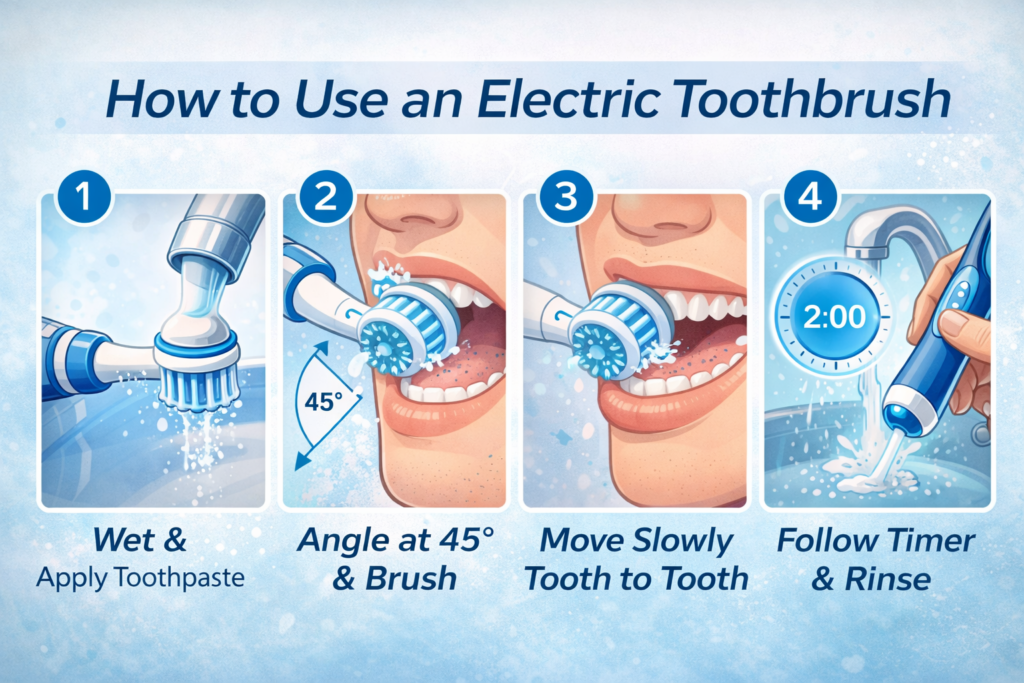
Hold at 45 degrees, apply light pressure, move slowly tooth-to-tooth for two minutes.
If you want clean teeth, fresh breath, and healthy gums, learning how to use an electric toothbrush is a small change that brings big results. I’ve coached hundreds of people on this, tested many models, and seen the difference in real mouths. Stick with me. You’ll get a clear, simple plan to master how to use an electric toothbrush without guesswork.
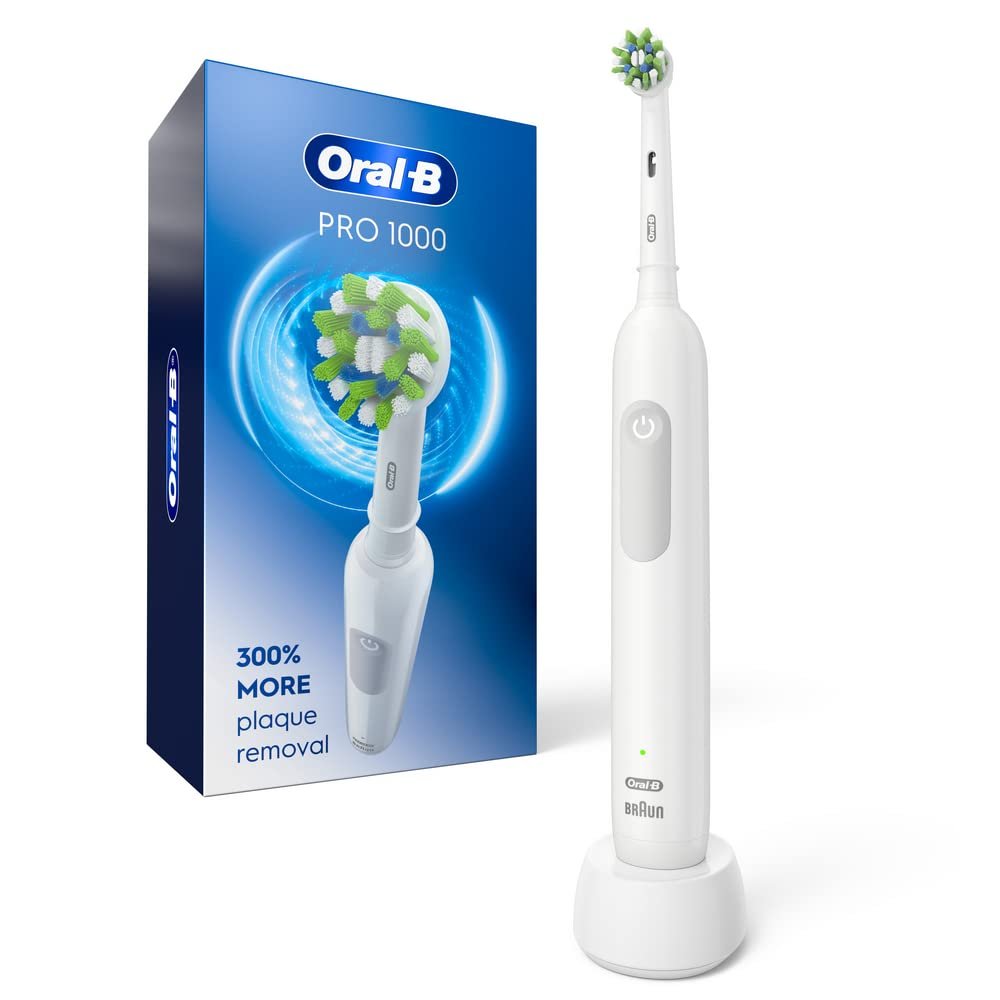
Oral-B Pro 1000 Rechargeable Electric Toothbrush, White
Why use an electric toothbrush
Electric brushes remove more plaque than manual brushes. They also help reduce gum bleeding. Built-in timers, pressure sensors, and smart modes make good habits easy.
If your hands get tired or you rush, the brush does the work for you. That is the beauty of how to use an electric toothbrush. You guide it; it cleans.
With steady use, most people see less tartar, less sensitivity, and brighter smiles. I see this pattern again and again.
Step-by-step: how to use an electric toothbrush the right way
- Charge and set up. Make sure the handle is charged. Attach a soft, small brush head.
- Apply toothpaste. Use a pea-sized amount of fluoride paste. Wet the bristles if you like.
- Set the angle. Hold at about 45 degrees to the gumline.
- Start gently. Turn it on once the bristles touch your teeth to avoid splatter.
- Guide, don’t scrub. Move slowly from tooth to tooth. Pause 2–3 seconds on each surface.
- Follow the timer. Most brushes buzz every 30 seconds. Clean all four zones of your mouth.
- Clean every surface. Outside, inside, and chewing surfaces. Sweep along the gumline.
- Use light pressure. If it has a pressure sensor, keep it off. Let the brush do the work.
- Finish and spit. Do not rinse right away. Let fluoride sit for a minute.
- Rinse the head. Run the head under water. Shake off drops. Store upright to air dry.
The first week can feel strange, like a tickle. That fades fast. When you practice how to use an electric toothbrush with slow, steady moves, the results show in days.
Choose the right brush and head
Pick a brush you will use twice a day. That matters more than extra bells and whistles. Look for a two-minute timer, 30-second pacer, and a pressure sensor.
For heads, go with soft bristles and a small, round or compact oval head. This helps reach tight spots. Swap the head every three months or sooner if bristles splay.
Oscillating-rotating heads and sonic heads both work well when used right. If you have braces, a compact head is easier to maneuver. If you have sensitive gums, pick a “sensitive” head.
Timing, pressure, and modes that make brushing easy
Two minutes is the standard. Four 30-second blocks make it simple. Top outside, top inside, bottom outside, bottom inside. Add a few extra seconds to chewing surfaces.
Use gentle pressure. Think “contact,” not “force.” If your brush has Clean, Sensitive, or Gum Care modes, pick the one that feels good and keeps you consistent.
Use fluoride toothpaste. It helps harden enamel and reduces decay risk. If strong mint burns, try a mild flavor so you can focus on how to use an electric toothbrush with good form.
Common mistakes and quick fixes when learning how to use an electric toothbrush
Learning how to use an electric toothbrush is more about unlearning old habits. Here are easy fixes.
- Scrubbing like a manual brush. Fix: Hold still and glide. Let the brush head do the motion.
- Brushing too hard. Fix: Ease up. Watch the pressure light if you have one.
- Rushing the timer. Fix: Wait for the 30-second buzz before you switch zones.
- Skipping the gumline. Fix: Aim at 45 degrees to hit plaque where it starts.
- Using old, frayed heads. Fix: Replace every three months or after an illness.
These small tweaks protect gums and help the brush reach its full power.
Cleaning, charging, and hygiene
Rinse the head after each use. Tap off extra water. Store it upright so air can flow. Do not cover wet heads; trapped moisture grows germs.
Once a week, soak the head in a mild antiseptic mouthwash for a few minutes. Wipe the handle, neck, and base dry. Keep the charger clean to avoid gunk at the contact ring.
Charge as the maker suggests. Many handles last a week or more. If you travel, use a case. Pack spare heads so you keep up with how to use an electric toothbrush on the go.
Special tips for kids, braces, implants, and sensitive gums
Kids do best with fun, simple brushes and tiny heads. Make it a game with the 30-second buzz. Show them how to use an electric toothbrush by brushing together.
With braces, angle above and below the wire. Pause a bit longer around brackets. An interdental brush or water flosser helps clean under the wire.
For implants and crowns, be gentle at the gumline. A soft or sensitive mode protects tissue while removing plaque.
If your gums are sore, switch to Sensitive mode, use a soft head, and warm water. Ease into it with shorter sessions. Comfort first, then build up time.
Troubleshooting: when things feel off
If your mouth feels ticklish, start at the back teeth and use less toothpaste. The foam can make the tickle worse at first.
If your teeth feel sensitive, drop to a sensitive mode and use a toothpaste for sensitivity. Keep up daily use, and it should improve in a week or two.
If the battery fades fast, reduce constant top-ups. Let it run down now and then, if the maker allows. Replace the battery or handle when it no longer holds a charge.
If you see no results, check your form. Slow down, lower pressure, and follow the timer. This is the core of how to use an electric toothbrush for a real upgrade.
Frequently Asked Questions of how to use an electric toothbrush
How often should I brush with an electric toothbrush?
Brush twice a day for two minutes each time. Add a quick clean after meals if you have braces or a high decay risk.
Do I still need to floss if I use an electric toothbrush?
Yes. Brushes clean tooth surfaces, but floss or interdental brushes clean between teeth. Use both for the best results.
Is a sonic or oscillating brush better?
Both work well when used right. Pick the one you find comfortable so you can keep a steady routine.
Can an electric toothbrush damage gums?
Not when used with light pressure and a soft head. Most harm comes from hard scrubbing, not from the motor.
How do I help a child learn how to use an electric toothbrush?
Use a small, soft head and a fun timer. Guide their hand at first, then let them try while you coach.
How much toothpaste should I use with an electric toothbrush?
Use a pea-sized amount if you are an adult, and a rice-sized amount for kids. More foam does not mean cleaner teeth.
When should I replace the brush head?
Every three months, or sooner if bristles splay. Worn bristles clean less and can irritate gums.
Conclusion
Mastering how to use an electric toothbrush is simple: light pressure, slow moves, and two full minutes. Choose a soft head, follow the timer, and aim at the gumline. Small daily habits add up to fewer cavities, calmer gums, and fresh breath.
Start tonight. Set your timer, relax your grip, and guide the brush tooth by tooth. Want more tips like this? Subscribe for helpful guides, or leave a comment with your questions.