
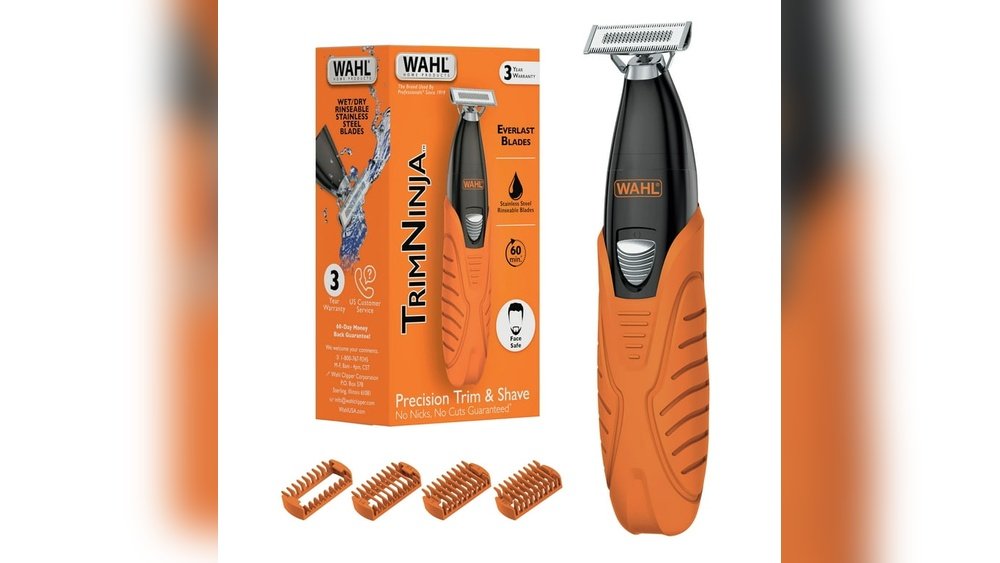
Nose hair might seem like a small detail, but it plays a big role in your health and appearance. Many people wonder, “How often should I trim nose hair? ” The answer is not as simple as picking a date on your calendar.
This guide explains the science behind nose hair growth, how often you should trim, and practical tips to keep your grooming routine safe and effective. Whether you want to look neat or avoid discomfort, understanding nose hair care is important for everyone.
Why Nose Hair Matters
Nose hair acts as a filter for dust, pollen, and other particles. It protects your lungs and helps trap germs before they enter your body. Removing too much can increase the risk of allergies and infections. However, visible nose hairs can be embarrassing and may affect your confidence.
Many people don’t realize that over-trimming can cause nose irritation or even nosebleeds. Keeping the right balance is key: you want to trim only what’s sticking out, not all the hair inside.
How Fast Does Nose Hair Grow?
Nose hair grows differently for each person. On average, nose hair grows about 0.35 millimeters per day. This means you may notice new hairs poking out every 7–10 days. Factors like age, hormones, and genetics can change the speed.
Here’s a comparison of nose hair growth rates with other body hair types:
| Hair Type | Average Growth per Day | Visible in |
|---|---|---|
| Nose Hair | 0.35 mm | 7–10 days |
| Eyebrow Hair | 0.16 mm | 2–3 weeks |
| Scalp Hair | 0.35 mm | 1 month |
Knowing this helps you plan your trimming routine. If you have faster-growing hair, you may need to trim more often.

Credit: www.menshealth.com
How Often Should You Trim Nose Hair?
Most experts suggest trimming nose hair every 2–4 weeks. This keeps you looking neat without removing too much. Some people, especially men with thicker or faster-growing hair, may need to trim every 1–2 weeks.
Key signs it’s time to trim:
- Visible hairs poking out from your nostrils
- Tickling sensation or itching in your nose
- Difficulty breathing due to excess hair (rare but possible)
If you want a simple rule: trim only when you notice hair sticking out. Avoid setting a strict schedule; listen to your body and mirror.
What Happens If You Trim Too Often?
Trimming more than needed can cause:
- Nose irritation
- Small cuts that may lead to infection
- Reduced protection from dust and allergens
Over-trimming is a common mistake. Beginners often remove too much, thinking it looks cleaner. In reality, you only need to cut the visible part.
What Happens If You Trim Too Rarely?
Leaving nose hair untrimmed can:
- Make you look less tidy
- Cause discomfort or itching
- Lead to embarrassment in social situations
If you wait too long, you may also need to trim more hair at once, which increases the risk of mistakes.
Best Tools For Trimming Nose Hair
Picking the right tool is important. Some methods are safer and more effective than others. Here’s a quick comparison:
| Tool | Safety | Effectiveness | Cost Range |
|---|---|---|---|
| Round-tip Scissors | High | Moderate | $5–$20 |
| Electric Nose Trimmer | High | High | $15–$40 |
| Tweezers | Low | Low | $3–$10 |
| Waxing Kits | Low | High | $10–$25 |
Electric nose trimmers and round-tip scissors are the safest options. Avoid tweezers and waxing for routine trimming, as they can cause pain and infections.

Credit: www.altaonline.com
Safe Nose Hair Trimming Tips
Follow these steps for safe and effective trimming:
- Wash your hands before starting.
- Use a well-lit mirror.
- Choose a round-tip scissor or electric trimmer.
- Trim only the hairs sticking out—don’t go deep inside.
- Clean your tools after each use.
A non-obvious tip: moisten your nostrils before trimming. This softens the hair and reduces irritation. Many beginners skip this step, but it makes a big difference.
Another insight: avoid trimming when you have a cold or sinus infection. Your nose is more sensitive, and the risk of injury is higher.
Nose Hair And Age: What Changes?
As you age, nose hair tends to grow faster and thicker. Men over 50 often notice more visible nose hair. This is due to hormonal changes, especially higher levels of androgens.
Here’s a simple age comparison:
| Age Group | Typical Nose Hair Growth | Recommended Trimming Frequency |
|---|---|---|
| Under 30 | Slow/Moderate | Every 3–4 weeks |
| 30–50 | Moderate | Every 2–3 weeks |
| Over 50 | Fast/Thick | Every 1–2 weeks |
Adjust your routine as you get older, but always focus on trimming only what’s visible.
Common Mistakes When Trimming Nose Hair
Many people make these errors:
- Using sharp scissors instead of round-tip ones.
- Plucking hairs with tweezers (painful and risky).
- Trimming too deep inside the nose.
- Not cleaning tools after use.
- Waxing nose hair (can lead to infection).
Avoid these mistakes for a safer and more comfortable experience.
When To See A Doctor
If you notice bleeding, pain, or infection after trimming, seek medical advice. Sometimes small cuts can become serious if not treated. If you have allergies or respiratory issues, keep some nose hair for protection.
For more details on nose hair and health, visit Wikipedia.

Credit: en.wikipedia.org
Frequently Asked Questions
How Do I Know It’s Time To Trim Nose Hair?
Check your nostrils in the mirror. If you see hairs poking out, it’s time to trim. Don’t wait for discomfort.
Is It Safe To Pluck Nose Hair With Tweezers?
No, plucking nose hair can cause pain, bleeding, and infection. It’s safer to use scissors or an electric trimmer.
Can Removing Nose Hair Affect My Health?
Yes, removing too much can reduce your nose’s natural protection. Only trim the visible hairs to stay safe.
What’s The Best Tool For Nose Hair Trimming?
An electric nose trimmer or round-tip scissors are the best choices. They are safe and easy to use.
Should I Trim Nose Hair During A Cold?
Avoid trimming when you have a cold or infection. Your nose is sensitive and more likely to get injured.
Nose hair grooming is simple when you understand the basics. Trim every few weeks, use safe tools, and avoid common mistakes. This keeps you looking neat and healthy, without risking your comfort or protection. If you follow these tips, you’ll handle nose hair confidently and safely.