
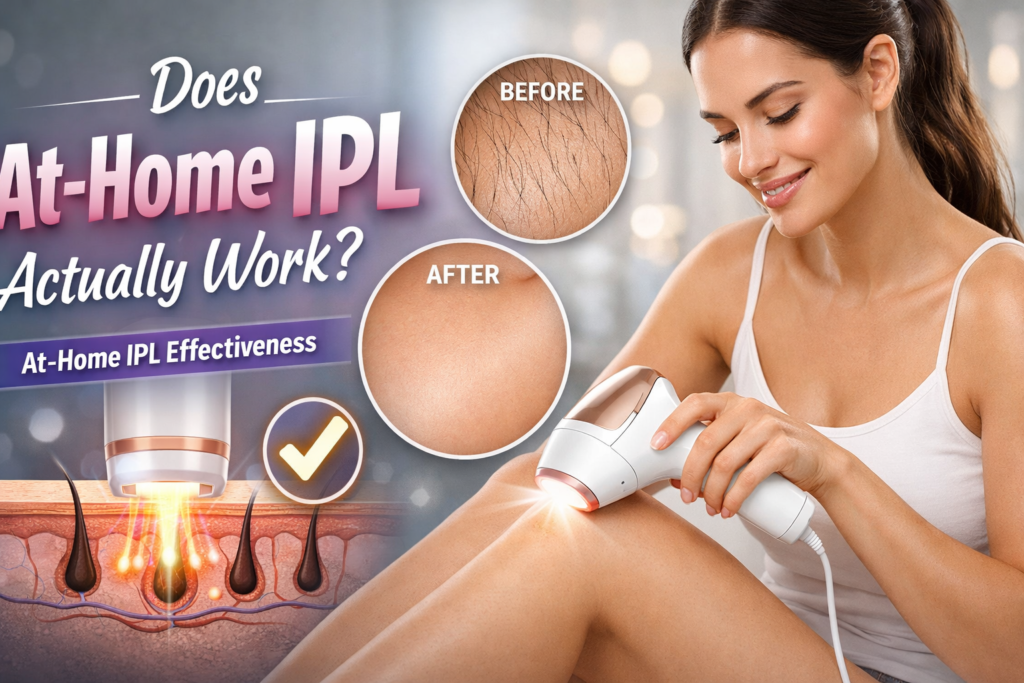
Many people want smoother, hair-free skin without the hassle of shaving or waxing. At-home IPL (Intense Pulsed Light) hair removal devices promise just that—long-term reduction of body and facial hair in the comfort of your own home. But do these devices really work?
Or are they just clever marketing? If you’re considering investing in an at-home IPL device, it’s smart to look beyond the hype and understand how they actually perform.
How At-home Ipl Devices Work
IPL devices use bursts of broad-spectrum light to target the pigment (melanin) in your hair. When the light energy is absorbed by the hair, it heats up and damages the follicle, slowing down future hair growth. Over time, regular treatments can lead to thinner, lighter, and sometimes fewer hairs.
Professional IPL machines in clinics use more powerful technology, but at-home versions are designed to be safe for personal use. Most have built-in safety features to reduce the risk of burns or skin damage.
Real Results: What Studies And Users Report
Numerous studies and user reviews help answer the big question: does at-home IPL actually work? Here’s what real data shows:
- Most users see a hair reduction of 40-70% after 8-12 weekly treatments.
- Hair grows back finer and lighter, making it less noticeable.
- Results vary by skin tone, hair color, and device quality.
Here is a comparison of typical results between professional and at-home IPL devices:
| Type | Average Hair Reduction (After 12 Weeks) | Maintenance Needed |
|---|---|---|
| Professional IPL | 70-90% | Yearly |
| At-Home IPL | 40-70% | Monthly/Bi-monthly |
A 2019 clinical study found that 60% of at-home IPL users reported “significant” hair reduction after 3 months, while 90% experienced at least some benefit. However, only a small number reported permanent hair removal—regular maintenance was still necessary.
Key Factors That Affect Ipl Effectiveness
Not everyone will get the same results from at-home IPL. Here are the main factors to consider:
- Hair color and skin tone: IPL works best on dark hair and light to medium skin. The light targets pigment, so gray, white, red, or very light blonde hair often does not respond well.
- Device strength and features: Higher-quality devices tend to have stronger light energy, more settings, and better safety features.
- Consistency: Skipping treatments or using the device incorrectly can slow or reduce results.
- Treatment area: Larger areas like legs or back may need more sessions and patience.
Here’s a quick look at which skin tones and hair colors suit IPL:
| Skin Tone | Dark Hair | Blonde/Red Hair | Gray/White Hair |
|---|---|---|---|
| Light | ✔️ | ⚠️ | ❌ |
| Medium | ✔️ | ⚠️ | ❌ |
| Dark | ⚠️ | ❌ | ❌ |
✔️ = Best results, ⚠️ = Mixed/poor results, ❌ = Not effective
What To Expect: Treatment Process And Timeline
Most at-home IPL devices suggest a schedule like this:
- Weekly treatments for 8-12 weeks.
- Touch-ups every 1-2 months after that.
A typical session for both legs takes about 20-30 minutes. You’ll need to shave the area first, as IPL works on the hair root below the skin.
Visible reduction usually starts after 4-6 treatments, but full results often need 2-3 months. Hair will not fall out instantly after each session—it sheds naturally over days or weeks.
Pros And Cons Of At-home Ipl
It’s important to look at the positives and negatives before making a decision.
Pros
- Convenience: Use at home, any time.
- Cost-effective: Cheaper than clinic treatments in the long run.
- Privacy: No need to visit a salon or spa.
Cons
- Not permanent: Maintenance sessions are needed.
- Not for all skin/hair types: Limited results on dark skin or light hair.
- Takes patience: Results are gradual, not instant.
Common Mistakes And How To Avoid Them
Many beginners make errors that slow their progress:
- Using on unsuitable hair/skin: Always check if your hair and skin type are compatible.
- Skipping sessions: Stick to the treatment schedule for best results.
- Not shaving first: IPL must target the root, not long hair above the skin.
- Using on tattoos or moles: This can cause burns—avoid these areas.
A less obvious tip: Clean the device window before every session. Dirt or hair can block the light and reduce effectiveness.
Safety And Side Effects
At-home IPL devices are generally safe for most people when used correctly. Possible side effects include:
- Mild redness
- Swelling
- Temporary discomfort
Rarely, IPL can cause blisters or changes in skin color. Always do a patch test on a small area before full use.
If you have medical conditions (like epilepsy or skin disorders) or are pregnant, talk to a doctor first. And always follow the device’s safety instructions.
Is At-home Ipl Worth It?
If you have light to medium skin and dark hair, at-home IPL can be an effective way to reduce hair growth. You won’t get instant or permanent results, but most users see clear improvements with regular use. For others (especially those with very dark skin or light hair), it may not work well.
The key to success is patience and consistency. These devices are not magic wands, but with realistic expectations, they can be a good investment for smoother skin.
For more in-depth research on IPL technology, you can visit the Intense Pulsed Light Wikipedia page.
Frequently Asked Questions
Does At-home Ipl Remove Hair Permanently?
At-home IPL leads to long-term hair reduction, not permanent removal. Most people need touch-up sessions every few months to maintain results.
Is At-home Ipl Safe For The Face?
Most devices are safe for facial use, but avoid the eyes and always use the lowest setting first. Never use IPL on eyebrows or near the eyelids.
Can At-home Ipl Be Used On All Skin Tones?
No. At-home IPL is most effective on light to medium skin with dark hair. It’s not recommended for very dark skin or very light hair, as effectiveness is low.
How Much Do At-home Ipl Devices Cost?
Prices range from $100 to $500. More expensive models usually offer higher power and more features, but even budget devices can work well if used correctly.
How Soon Will I See Results From At-home Ipl?
Most users notice hair reduction after 4-6 weeks of regular use. Full results usually take around 2-3 months.