
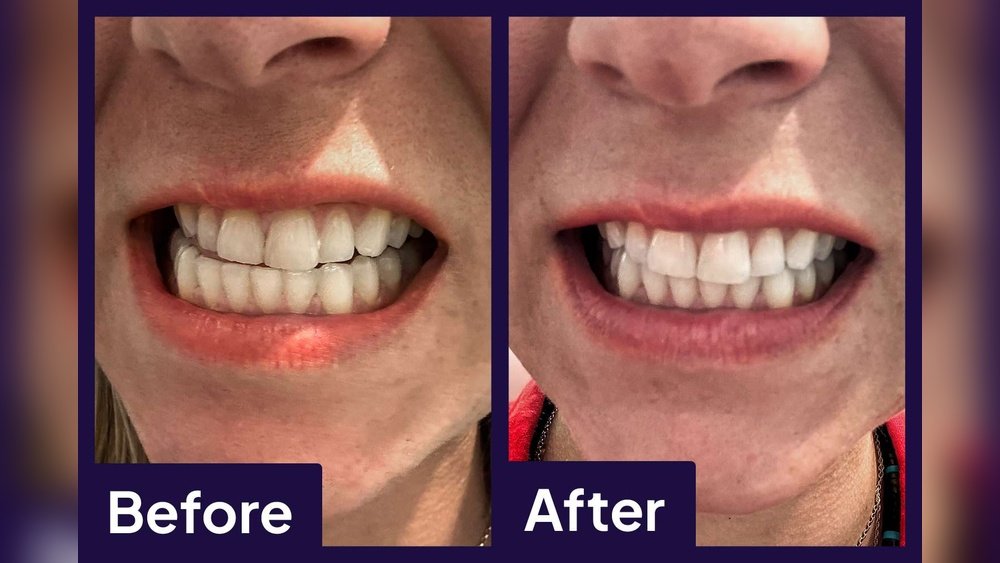
Millions of people want a brighter smile but don’t want to spend hours at the dentist or a fortune on treatments. Supermarket shelves are full of mouthwashes that claim to whiten teeth—but do they really work, or is this just clever marketing? Let’s break down the facts, see what science says, and help you decide if mouthwash can truly make your smile whiter.
How Whitening Mouthwash Works
Whitening mouthwashes promise to make teeth lighter using special ingredients. Most contain hydrogen peroxide, a mild bleaching agent, or other chemicals that help remove surface stains.
When you swish these liquids, the chemicals react with stains from coffee, tea, red wine, and tobacco. They try to break down colored compounds on your enamel. But the key question is: how much difference can a mouthwash make compared to other whitening methods?
Comparing Whitening Mouthwash To Other Methods
To understand how whitening mouthwash performs, it’s helpful to compare it with common alternatives.
| Method | Strength | Speed | Cost |
|---|---|---|---|
| Whitening Mouthwash | Mild | Slow (weeks to months) | Low |
| Whitening Toothpaste | Mild | Slow (weeks) | Low |
| Whitening Strips | Moderate | Faster (days to weeks) | Medium |
| Professional Whitening | Strong | Very Fast (1-2 visits) | High |
As you can see, whitening mouthwash is the mildest and slowest option. It works best for people with light surface stains, not deep discoloration.
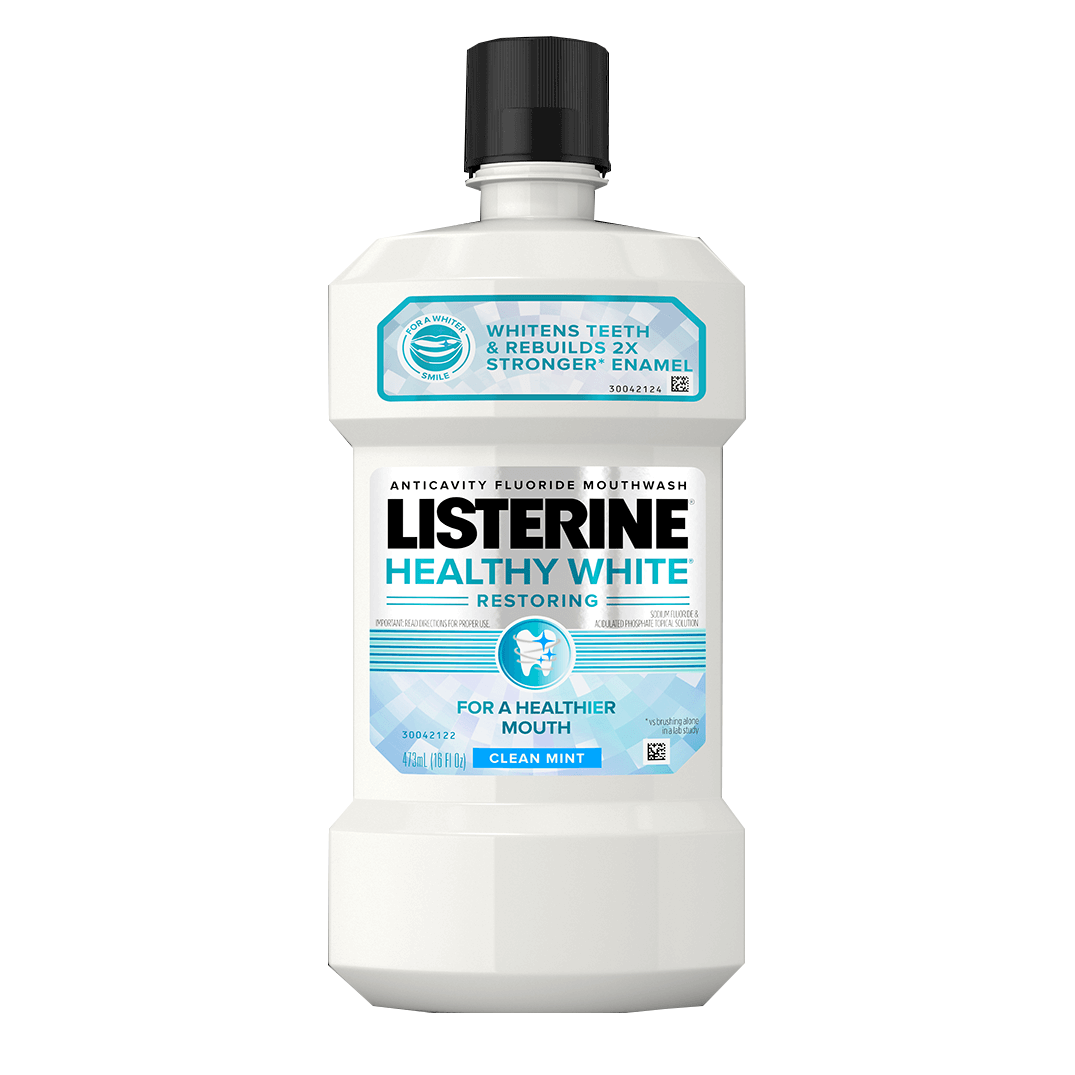
Credit: www.listerine.com
What Science Says About Whitening Mouthwash
Research shows that hydrogen peroxide can lighten teeth, but the concentration in mouthwash is very low (usually 1-2%). For example, professional whitening uses up to 35% hydrogen peroxide.
A study published in the *Journal of Clinical Dentistry* found that after 12 weeks of daily use, whitening mouthwash improved tooth color by about one shade. In comparison, whitening strips improved color by two to three shades in the same period.
Another study showed that some people noticed no change even after a month. Results depend on how dark your stains are and your daily habits.
| Product | Average Shade Improvement | Duration |
|---|---|---|
| Whitening Mouthwash | 0.5 – 1 shade | 12 weeks |
| Whitening Toothpaste | 0.5 shade | 6-8 weeks |
| Whitening Strips | 2-3 shades | 2 weeks |
| Professional Whitening | 5-7 shades | 1-2 visits |
Pros And Cons Of Whitening Mouthwash
Like every dental product, whitening mouthwash has its benefits and drawbacks.
Pros:
- Easy to use in your daily routine
- Freshens breath and fights bacteria
- Can help with mild, new stains
Cons:
- Results are slow and often mild
- Does not change deep or old stains
- Overuse can cause tooth sensitivity
One thing many beginners miss: consistency matters most. Skipping days or stopping too early means you likely won’t see any change. Also, many people expect a dramatic effect, but mouthwash alone rarely provides movie-star smiles.
Who Should Use Whitening Mouthwash?
Whitening mouthwash is a good choice if:
- You have surface stains from coffee, tea, or smoking
- You want a gentle boost, not a major change
- You’re looking to maintain results after professional whitening
It’s not the best option if you need fast, dramatic whitening or have intrinsic stains (stains inside the tooth from medication or trauma). In those cases, professional treatments work better.
How To Maximize Results
To get the most from whitening mouthwash:
- Brush and floss first so the mouthwash can reach all surfaces.
- Use the mouthwash twice daily for at least 60 seconds.
- Don’t eat or drink for 30 minutes after rinsing.
- Limit foods and drinks that cause stains (coffee, red wine, berries).
- Visit your dentist every 6 months for a cleaning.
Here’s another tip many miss: combine mouthwash with whitening toothpaste for a slightly better result. Still, don’t expect miracles. If you want dramatic whitening, talk to your dentist.
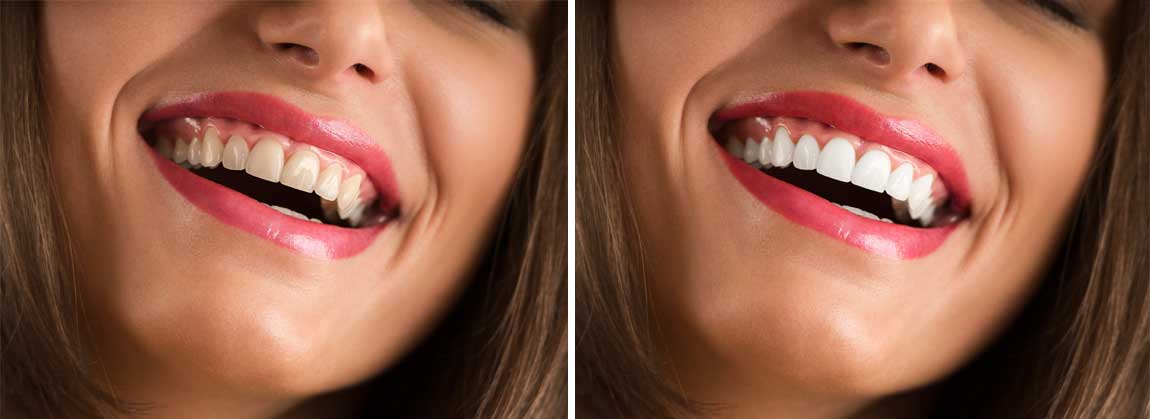
Credit: creekviewdental.ca
Safety And Side Effects
Most whitening mouthwashes are safe for daily use when you follow the instructions. However, some users may experience:
- Tooth sensitivity (sharp pain with hot or cold foods)
- Gum irritation (burning or redness)
- Dry mouth
If you notice these issues, stop using the mouthwash or switch to a gentler formula. Never swallow mouthwash, and keep it away from children.
Myths And Realities
There are many myths about whitening mouthwash. Let’s clear up a few:
- “Mouthwash can whiten as well as the dentist.”
Not true. Over-the-counter products are much weaker.
- “All mouthwashes whiten teeth.”
Only those with whitening agents help with stains. Regular mouthwash just freshens breath.
- “Results last forever.”
Teeth will darken again if you keep eating or drinking stain-causing foods.
When To See A Dentist
If you don’t see results after three months, or you have very dark stains, visit your dentist. Sometimes, tooth discoloration is a sign of a deeper problem, like cavities or medication effects.
Dentists can offer stronger treatments, like in-office bleaching or custom trays, for more noticeable whitening.
For more details on teeth whitening and oral health, check out the American Dental Association.
Frequently Asked Questions
Does Whitening Mouthwash Remove All Types Of Stains?
No, it mainly helps with surface stains from food, drinks, or smoking. It doesn’t work on stains inside the tooth.
How Long Does It Take To See Results From Whitening Mouthwash?
Most people need to use it daily for 2-3 months to see a slight improvement. Effects are usually mild.
Can I Use Whitening Mouthwash Every Day?
Yes, but follow the instructions. Overuse may cause sensitivity or gum irritation in some people.
Will Whitening Mouthwash Damage My Teeth?
Most are safe if used correctly. However, using too much or for too long may lead to tooth sensitivity or gum problems.
Is Whitening Mouthwash Better Than Whitening Toothpaste?
They work similarly, but toothpaste may give slightly faster results since it physically scrubs stains, while mouthwash is gentler.
Whitening mouthwash can gently lighten surface stains and help keep your mouth fresh. But if you want a big change or have stubborn stains, you’ll need stronger methods. For most people, mouthwash works best as a support to brushing, flossing, and healthy habits—not a magic solution.
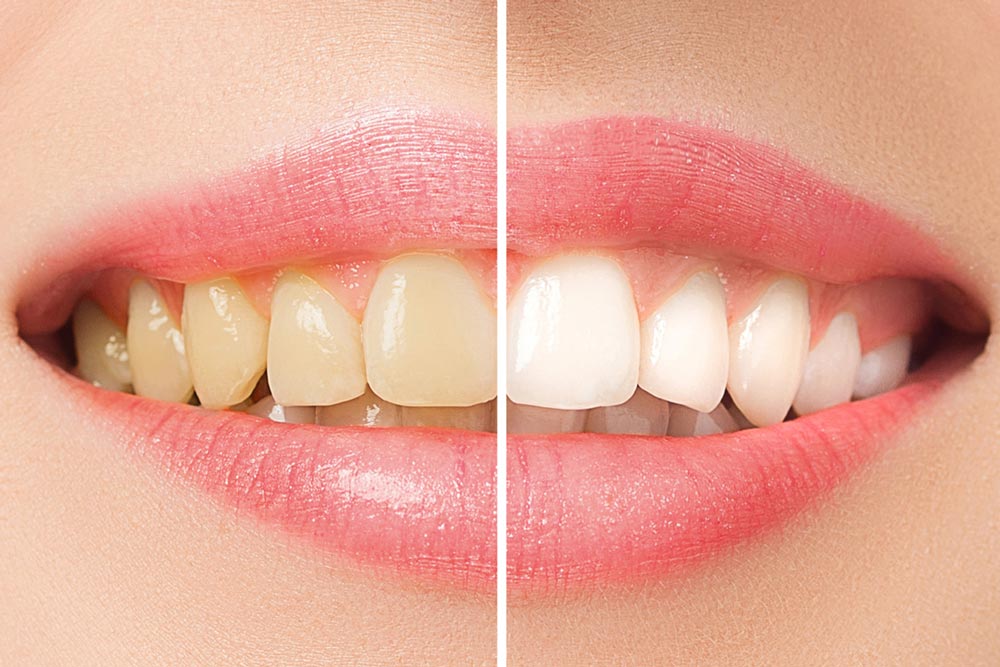
Credit: www.emergencydentistsusa.com