
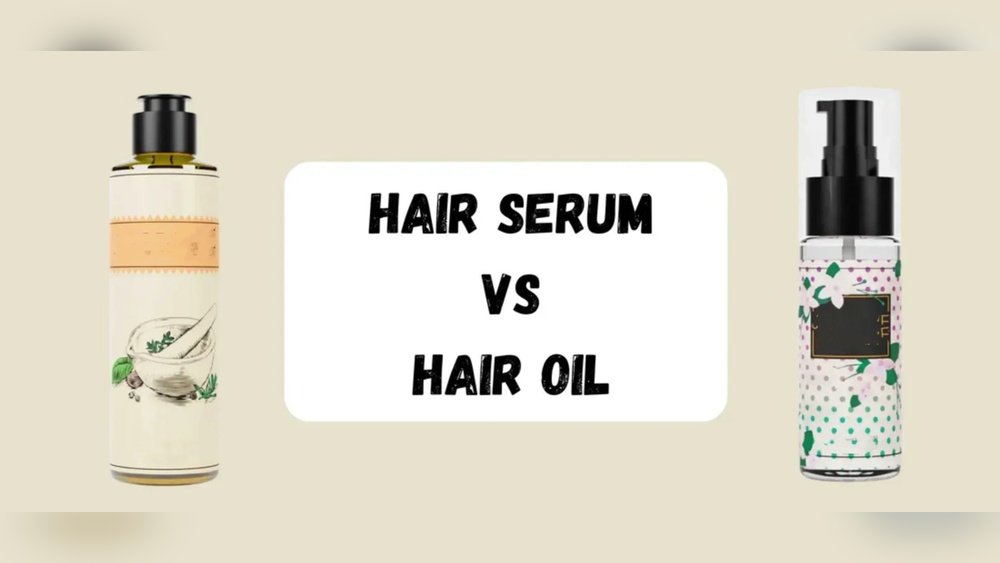
Hair loss and slow hair growth trouble many people worldwide. With the beauty industry expanding, products like hair growth sprays and serums fill store shelves. But which one actually helps you see fuller, healthier hair? Choosing the right option can save you money, time, and frustration. Let’s compare sprays and serums, look at their benefits and drawbacks, and help you decide what’s best for your scalp and hair goals.
What Is Hair Growth Spray?
Hair growth sprays are liquid formulas you spray directly onto your scalp or hair. Their main purpose is to boost hair growth, reduce breakage, and sometimes control dandruff. Most sprays are water-based and often contain biotin, caffeine, plant extracts, and sometimes essential oils.
Sprays are popular because they are:
- Quick to apply: Just a few spritzes and you’re done.
- Non-greasy: They absorb fast, so your hair doesn’t look oily.
- Lightweight: Great for fine or oily hair types.
A unique benefit is that sprays can cover large scalp areas fast. This makes them practical if you have widespread thinning or want all-over growth support.
What Is Hair Growth Serum?
Hair growth serums are thicker, concentrated liquids. You usually apply them with a dropper and massage them into the scalp. Serums are famous for their rich ingredients like peptides, vitamins, plant oils, and sometimes minoxidil (an FDA-approved hair growth medicine).
Serums offer:
- Deep nourishment: They feed the scalp and hair roots with active compounds.
- Strong hydration: Oils and humectants help repair dry or damaged hair.
- Targeted action: You can focus on thin patches or receding hairlines.
Because serums are thicker and more concentrated, they often cost more than sprays. But their formula delivers higher doses of key nutrients.
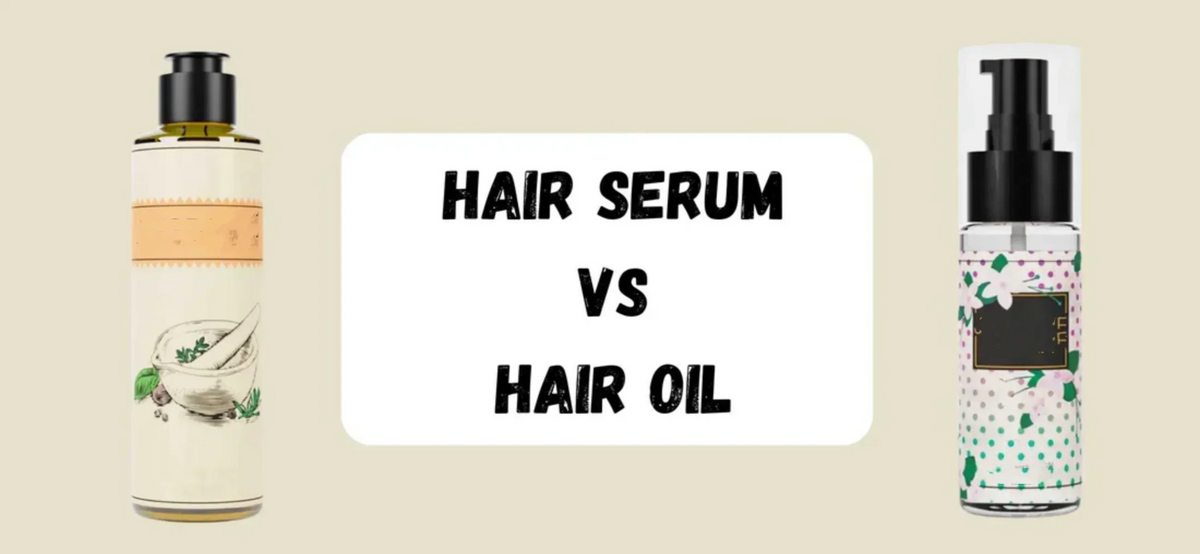
Key Differences: Spray Vs Serum
To see the main differences at a glance, review this comparison:
| Feature | Hair Growth Spray | Hair Growth Serum |
|---|---|---|
| Texture | Light, watery | Thick, oily or gel-like |
| Application | Spray on | Dropper or fingertips |
| Absorption | Quick, non-greasy | Slower, can feel oily |
| Coverage | Large area | Targeted spots |
| Main Focus | General growth, refresh | Repair, regrowth, hydration |
How Do Sprays And Serums Work?
Both products aim to support hair growth, but their methods differ.
Sprays boost scalp circulation with ingredients like caffeine and menthol. They may also reduce scalp inflammation, which can trigger hair loss. Some sprays include DHT blockers—compounds that reduce the hormone linked to male pattern baldness.
Serums go deeper. Their oils and actives penetrate the scalp, feeding hair follicles. Some serums contain medical ingredients like minoxidil, which restarts growth in dormant follicles. Others use plant-based peptides and vitamins to repair damage and strengthen hair from the root.
Credit: www.laifentech.com
Effectiveness: What Science Says
Not all sprays and serums deliver the same results. According to clinical studies:
- Minoxidil serums can increase hair count by up to 18% after 24 weeks.
- Caffeine sprays may slow hair loss, but effects are usually mild.
- Biotin (common in both sprays and serums) helps only if you have a biotin deficiency, which is rare.
In general, serums with proven actives (like minoxidil or peptides) have stronger evidence for regrowth, while sprays are better for scalp refreshment and mild thinning.
Pros And Cons At A Glance
A simple breakdown can help you see which product fits your needs:
| Hair Growth Spray | Hair Growth Serum | |
|---|---|---|
| Pros |
|
|
| Cons |
|
|
Choosing What’s Right For You
Here are some practical tips before you buy:
- Check your hair type. Sprays suit fine, oily, or limp hair. Serums are better for dry, brittle, or damaged hair.
- Consider your goal. For mild thinning or prevention, a spray might be enough. For regrowth or patchy loss, a serum with strong actives is smarter.
- Look at ingredients. If you see “minoxidil,” “peptides,” or “saw palmetto,” you’re getting a more powerful formula.
- Budget matters. Sprays are cheaper and last longer; serums may give faster results but cost more.
- Think about your routine. If you want something quick with no mess, sprays win. If you’re okay spending a few minutes massaging, try a serum.
A common beginner mistake is picking a product just because it’s trendy or smells nice. Instead, match your product to your scalp needs and hair goals.
What Most People Miss
Many people think using more product will speed up growth. This is rarely true. Over-applying can irritate your scalp or make hair greasy. Stick to the instructions.
Another overlooked tip: Consistency is key. Most serums and sprays need at least three months of regular use before visible results appear. Don’t give up after two weeks.

Credit: www.amazon.com
Practical Example
Imagine you have oily hair and mild shedding. A caffeine-based spray used each morning can refresh your scalp without weighing hair down. But if you have dry patches or thinning at the temples, a peptide-rich serum at night will target those spots better.
Side Effects And Safety
Both sprays and serums are usually safe. Still, you might see:
- Itching or redness (often from alcohol or essential oils)
- Greasy hair (from thick serums)
- Rare: Allergic reactions (check labels for allergens)
Always do a patch test before full use. For proven medical products like minoxidil, consult your doctor, especially if you’re pregnant or have scalp conditions.
When To See A Doctor
If you have sudden, severe hair loss or bald patches, see a dermatologist. Sometimes, hair loss signals a health issue that sprays or serums can’t fix alone. Professionals can check for hormonal problems, scalp diseases, or deficiencies.
For further research on hair loss treatments, you can visit the American Academy of Dermatology.
Frequently Asked Questions
What Works Faster: Spray Or Serum?
Serums usually show results quicker because they contain more concentrated ingredients. Sprays may take longer but are easier for daily use.
Can I Use Both Spray And Serum Together?
Yes, you can use both. Apply serum first, let it absorb, then spray. Don’t overload your scalp—use moderate amounts.
Are Natural Sprays Or Serums As Effective?
Natural products can help with scalp health, but most lack strong scientific proof for hair regrowth. Medical serums like those with minoxidil have more evidence.
How Long Until I See Results?
Most people notice changes after 3–4 months of regular use. Results depend on the cause of hair loss and the product’s active ingredients.
Can Men And Women Use The Same Products?
Most sprays and serums are unisex. However, some minoxidil serums come in different strengths for men and women. Always check the label.

Credit: newrootsskinhairlaser.com