
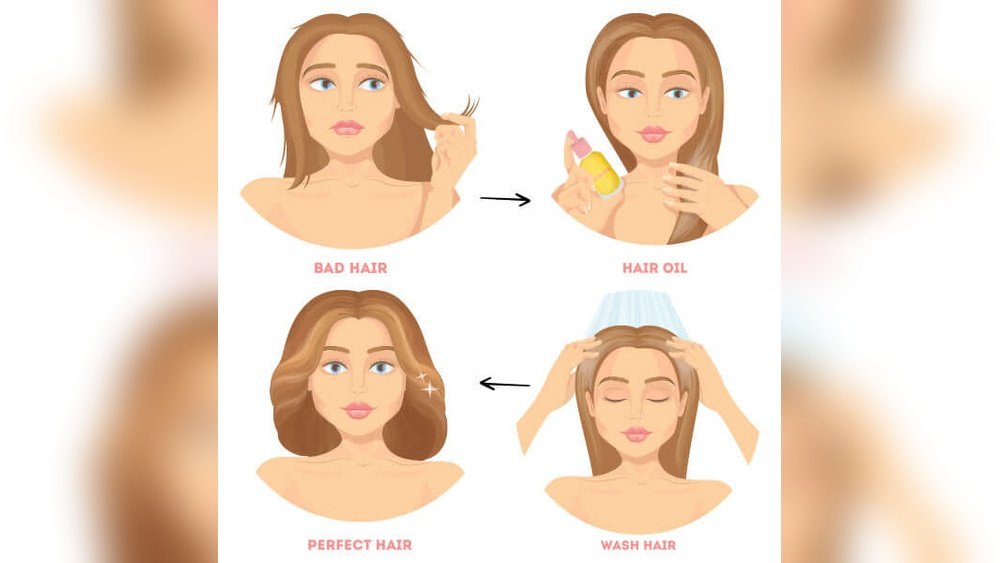
How Often Should You Oil Your Scalp?
Many people want healthy, shiny hair but often overlook the health of their scalp. Oiling your scalp is a traditional practice in many cultures, and it can help with dryness, itching, and even hair growth. However, knowing how often to oil your scalp is not always simple. The answer depends on your hair type, lifestyle, and even the climate where you live. This article will guide you through finding the right oiling routine, backed by facts, expert advice, and practical examples.
Why Oil Your Scalp?
Your scalp is the foundation for hair growth. It produces natural oils called sebum that keep your hair soft and protect skin from dryness. When you oil your scalp, you help:
- Moisturize dry skin
- Reduce flakiness and itching
- Improve blood circulation
- Strengthen hair roots
A study from the International Journal of Trichology found that regular scalp massage with oil can increase hair thickness by up to 32% over 24 weeks. But over-oiling can cause problems, too. Understanding your scalp’s needs is essential.
Factors That Affect Oiling Frequency
Not everyone needs the same oiling routine. Key factors include:
Hair Type
- Dry scalp: Needs more frequent oiling (2–3 times per week).
- Oily scalp: Less frequent (once a week or less).
- Normal scalp: Once or twice a week is usually enough.
Climate
Hot, dry climates can dry out your scalp, so oiling twice a week may help. In humid areas, once a week is usually sufficient.
Lifestyle
If you swim in chlorinated pools or use styling products often, your scalp may dry out faster. Adjust your oiling routine to match your activities.
Age
As you age, your scalp produces less oil. Older adults may benefit from more frequent oiling.
Common Scalp Concerns
Some conditions require special care. Here’s a quick comparison:
| Scalp Condition | Recommended Oiling | Notes |
|---|---|---|
| Dryness | 2–3 times/week | Use light oils like coconut or argan |
| Dandruff | 1–2 times/week | Choose anti-fungal oils (tea tree, neem) |
| Oily scalp | Once/week | Avoid heavy oils |
| Sensitive skin | 1–2 times/week | Test oil first |
How To Oil Your Scalp Properly
The way you oil your scalp matters as much as how often you do it. Follow these simple steps:
- Choose the right oil: Coconut, almond, and argan oils work for most people. For dandruff, tea tree oil is effective.
- Warm the oil: Slightly warming oil helps it absorb better.
- Massage gently: Use your fingertips, not nails. Massage for 5–10 minutes.
- Leave it on: Let the oil soak for at least one hour. Overnight is safe for most oils.
- Wash thoroughly: Use a gentle shampoo. Avoid leaving oil on for days.
Many beginners forget to wash their hair well after oiling. This can cause buildup and block hair follicles.
How Often Should You Oil Your Scalp? A Detailed Guide
Let’s break it down by hair type and lifestyle. This table summarizes recommended oiling frequencies:
| Hair Type | Oiling Frequency | Oil Suggestion |
|---|---|---|
| Dry | 2–3 times/week | Coconut, olive, argan |
| Oily | Once/week | Light oils, jojoba |
| Normal | 1–2 times/week | Almond, grapeseed |
| Chemically treated | 2 times/week | Castor, avocado |
Tip: If you notice your hair feels heavy, greasy, or itchy after oiling, reduce the frequency or use less oil.

Credit: www.reddit.com
Common Mistakes When Oiling The Scalp
Most people make at least one mistake when starting a scalp oiling routine:
- Applying too much oil. A few teaspoons are enough for most scalps.
- Using heavy oils on oily scalps.
- Not washing oil out completely.
- Oiling dirty hair. Always oil after washing for best results.
Another overlooked problem is using oils with fragrances or additives. These can irritate sensitive skin. Always check the label for pure oils.
Non-obvious Insights
- Scalp oiling is not the same as hair oiling. Many people focus on hair strands, but the scalp is where nourishment is needed most.
- Your diet affects your scalp. Eating foods rich in omega-3 and vitamin E can reduce the need for frequent oiling.
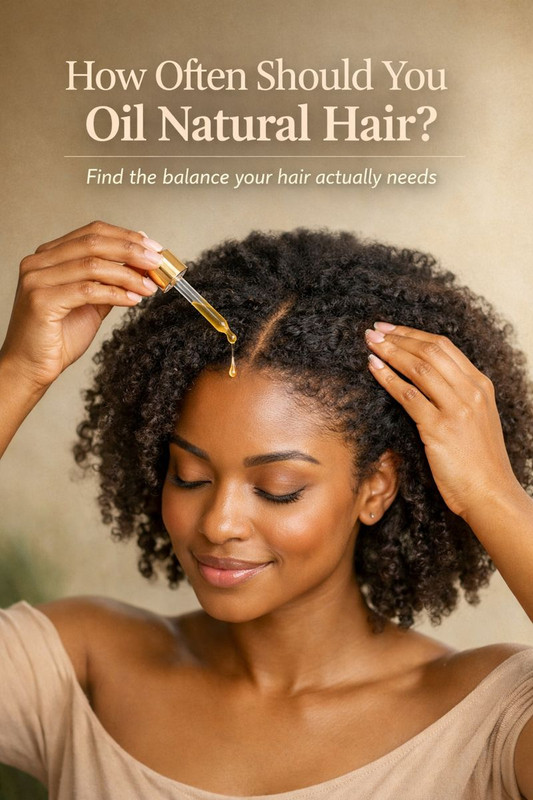
Credit: www.hairobicsallnatural.com
When To Avoid Oiling Your Scalp
Some situations call for less oiling:
- During active scalp infections
- If you have severe eczema or psoriasis (consult a doctor)
- Right before styling with heat tools
If you’re unsure, ask a dermatologist or hair care expert.
Real Example: Weekly Routine
Let’s look at a simple weekly routine for someone with a dry scalp:
- Monday: Oil scalp with coconut oil, leave for 2 hours, wash.
- Thursday: Oil scalp with argan oil, leave overnight, wash in the morning.
- Saturday: Light oil massage, leave for 1 hour, rinse.
This schedule keeps the scalp moisturized without causing buildup.
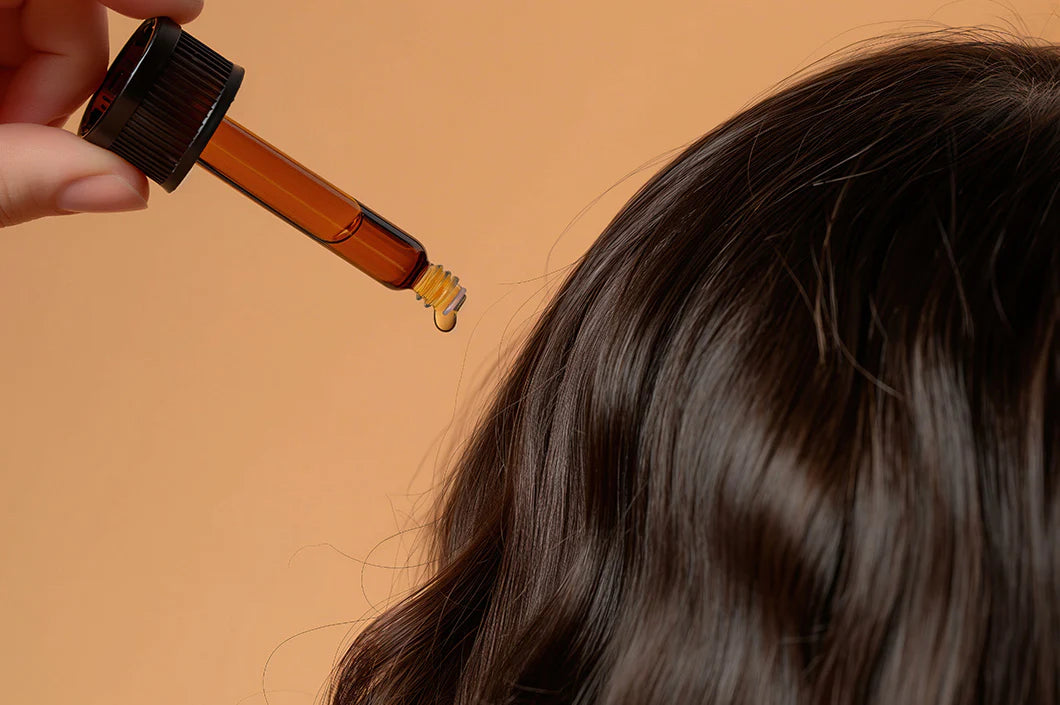
Credit: www.gkhair.com
Frequently Asked Questions
How Long Should I Leave Oil On My Scalp?
Most oils need at least one hour to absorb. Overnight is safe for natural oils. Avoid leaving oil on for more than 24 hours.
Can Oiling The Scalp Help With Hair Growth?
Yes. Regular scalp oiling and massage can improve blood circulation, leading to healthier hair growth. Some oils, like rosemary, are shown to stimulate hair follicles.
What Oils Are Best For Scalp Health?
Coconut, argan, almond, and tea tree oils are popular choices. Pick an oil based on your scalp type and concerns.
Is It Possible To Over-oil My Scalp?
Yes. Too much oil can clog pores, cause itching, or lead to dandruff. Always adjust the amount and frequency based on your results.
Should I Oil My Scalp Before Or After Washing My Hair?
Oil your scalp before washing. This helps loosen dirt and hydrate skin. Never oil dirty hair, as it can trap impurities.
Taking care of your scalp is the first step to strong, beautiful hair. Find the routine that works for you, and adjust as your needs change. For more details on scalp care, check the International Journal of Trichology. Remember, healthy hair starts at the root.