
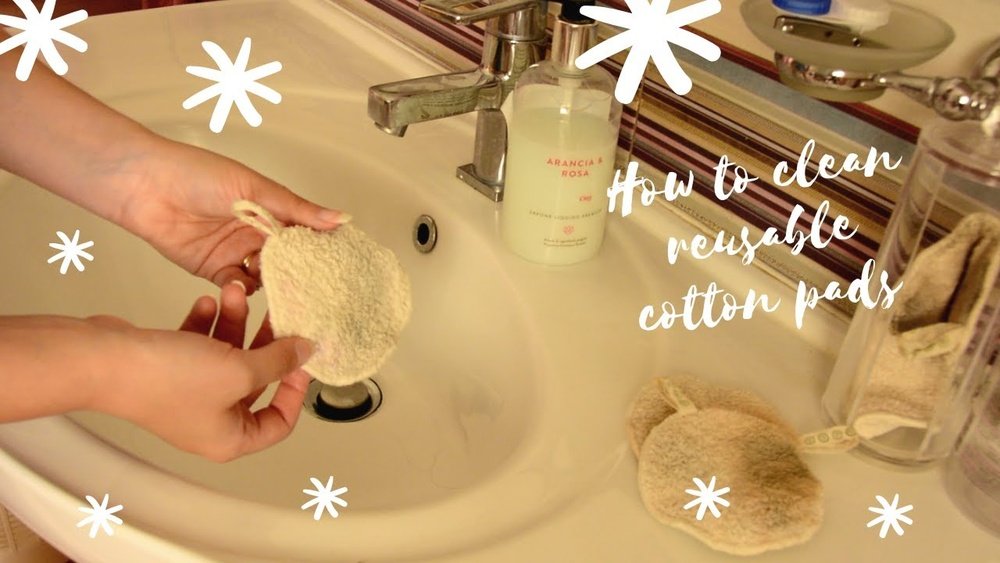
Reusable makeup remover pads are a smart choice for anyone wanting to reduce waste and save money. These pads are soft, easy to use, and much better for the environment than disposable cotton rounds. But to keep them effective and safe for your skin, you must clean them the right way.
Many people don’t realize that proper cleaning keeps your pads free from bacteria, makeup stains, and lingering odors. It also helps your pads last longer, so you don’t have to replace them often. Whether your pads are made of cotton, bamboo, or microfiber, learning the best cleaning techniques is essential.
Why Clean Reusable Makeup Remover Pads Regularly
Dirty pads can cause skin irritation or even breakouts. Makeup, oil, and sweat collect on them after each use. If not cleaned well, these pads can become a breeding ground for bacteria. According to a 2026 survey by the American Academy of Dermatology, nearly 40% of people who use reusable pads reported skin issues after skipping regular cleaning. Clean pads also work better, removing makeup without spreading old dirt back onto your skin.
Best Methods To Clean Reusable Makeup Remover Pads
There are several effective ways to clean your pads. The best method depends on your pad material, how much makeup you use, and how often you wash them.
Hand Washing
Hand washing is gentle and works for all pad types. Here’s how:
- Rinse the pads under warm water right after use to remove excess makeup.
- Rub a small amount of mild soap or baby shampoo into the pad. Avoid harsh detergents.
- Gently massage and squeeze the pad. Pay extra attention to stained areas.
- Rinse until water runs clear.
- Lay the pads flat on a towel to air dry.
Hand washing is quick, but it may not remove deep stains if the pads are heavily soiled.
Machine Washing
Machine washing is more thorough. It’s best for people who use several pads per week.
- Place used pads in a mesh laundry bag to protect them.
- Use a gentle cycle with cold or warm water.
- Add a small amount of fragrance-free detergent. Avoid fabric softener—it can coat the pads and reduce absorbency.
- Air dry after washing. Machine drying can damage pads over time.
Deep Cleaning For Stubborn Stains
Sometimes, pads get stained with waterproof makeup or oils. For deep cleaning:
- Soak pads in warm water with 1 tablespoon of baking soda for 15–30 minutes.
- Add a few drops of white vinegar for extra stain removal.
- Wash as usual after soaking.
This method removes tough stains and helps kill bacteria.

Credit: mirabela.me
Comparison Of Cleaning Methods
Here is a quick look at how hand washing and machine washing compare:
| Method | Effectiveness | Time Needed | Best For |
|---|---|---|---|
| Hand Washing | Moderate | 5–10 mins | Light makeup, delicate pads |
| Machine Washing | High | 15–30 mins | Heavy makeup, bulk cleaning |
| Deep Cleaning | Very High | 30–45 mins | Stubborn stains, odor removal |
How Often Should You Clean Your Pads?
Cleaning frequency depends on usage. Most people should wash pads after every use. If you use heavy makeup, it’s better to wash immediately. For light use, pads can be cleaned every 2–3 days. Leaving pads dirty for too long increases bacteria risk.

Credit: www.amazon.com
Drying And Storage Tips
Proper drying is key. Always air dry pads on a clean towel or hang them. Avoid direct sunlight, which can fade colors and damage fibers. Never store damp pads—they can grow mold. Once dry, keep pads in a clean container or pouch.
Common Mistakes To Avoid
Many beginners make simple cleaning errors:
- Using hot water: This can shrink or damage pads.
- Adding fabric softener: It makes pads less absorbent.
- Not using a mesh bag: Pads can get lost or tangled in the machine.
- Storing pads before fully dry: This leads to unpleasant smells.
These mistakes are easy to fix if you pay attention to the cleaning process.
Choosing The Right Cleaning Products
Not all soaps and detergents are safe for reusable pads. Avoid products with strong fragrances or harsh chemicals. For sensitive skin, pick a hypoallergenic detergent. Some brands offer special pad cleaners, but regular mild soap works well. Always check the care instructions that came with your pads.
Pad Materials And Their Cleaning Needs
Reusable pads come in different materials. Each has unique cleaning needs.
| Material | Cleaning Method | Durability | Special Care |
|---|---|---|---|
| Cotton | Hand or Machine | Moderate | Avoid bleach |
| Bamboo | Hand or Machine | High | Air dry only |
| Microfiber | Machine only | Very High | No fabric softener |
Microfiber pads, for example, are very absorbent but lose effectiveness if washed with fabric softener. Bamboo pads are naturally antibacterial but need gentle air drying.
Extending The Life Of Your Pads
With proper care, most reusable pads last up to 200 washes. To get the most from your pads:
- Wash regularly, following the tips above.
- Rotate pads so all get equal use.
- Check pads for wear and replace when fibers break down.
Some users overlook that buying a few extra pads and rotating them reduces wear and tear.
Eco-friendly Practices
Cleaning pads with cold water saves energy. Use a full load in the machine to avoid wasting water. Compost old cotton or bamboo pads when they wear out, if the brand allows.
For more guidance, see the EPA’s recycling tips.

Credit: mirabela.me
Frequently Asked Questions
How Do I Remove Waterproof Makeup Stains?
Soak pads in baking soda and warm water for 30 minutes, then wash. For strong stains, add a few drops of white vinegar before washing.
Can I Use Bleach On Reusable Pads?
No. Bleach damages fibers and irritates skin. Use mild soap or hypoallergenic detergent instead.
Should I Dry Pads In A Dryer?
Air drying is best. Machine drying can shrink or damage pads, especially cotton and bamboo.
How Many Pads Do I Need?
Most people use 5–7 pads per week, washing after each use. Buying extra pads helps rotation and reduces wear.
What’s The Best Way To Store Clean Pads?
Keep pads in a dry, closed container. Avoid humid places and always check pads are fully dry before storing.
Keeping reusable makeup remover pads clean is easy once you know the right steps. Regular washing, careful drying, and proper storage all help protect your skin and extend the life of your pads. With these tips, you can enjoy eco-friendly beauty routines without worry.