
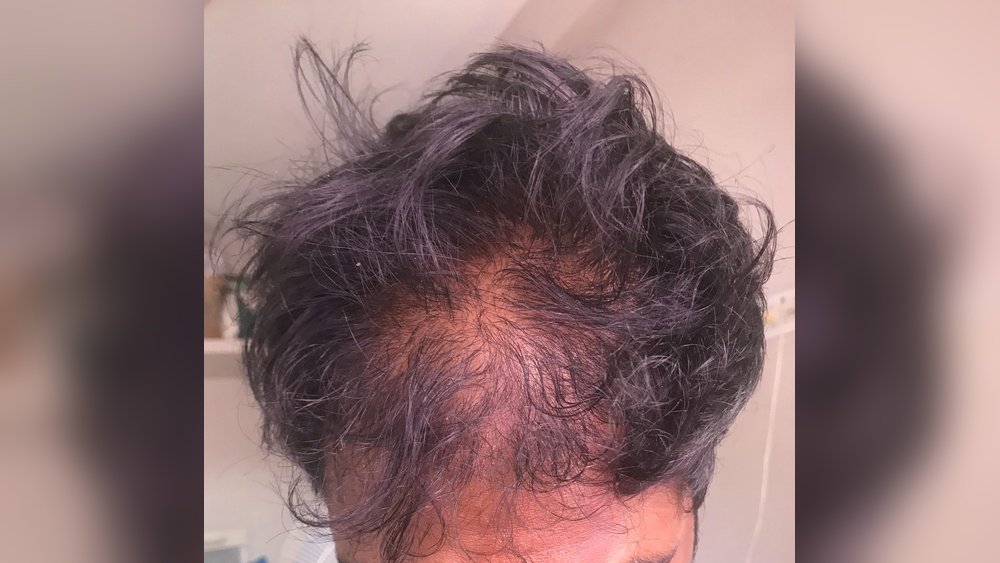
Many people using minoxidil for hair loss get worried when they see more hair falling out at first. This is called the minoxidil shedding phase, and it often scares beginners. But is it normal? Does it mean the treatment isn’t working? In this article, you’ll learn why shedding happens, how long it lasts, and how you should respond. You’ll also see real data, practical comparisons, and answers to the most common questions.
What Happens During The Minoxidil Shedding Phase?
Minoxidil is a popular topical solution for treating hair thinning and male pattern baldness. When you start using minoxidil, you may see increased hair loss in the first few weeks. This “shedding phase” is actually a sign that the treatment is working.
Minoxidil speeds up the hair growth cycle. It forces old, weak hairs to fall out faster so new, stronger hairs can take their place. This is called telogen effluvium. It usually starts 2-8 weeks after you begin treatment.
Here’s a simple comparison of what happens with and without minoxidil in the early weeks:
| Time Period | With Minoxidil | Without Minoxidil |
|---|---|---|
| First 4 Weeks | Increased shedding | Normal hair loss |
| Weeks 5-8 | Shedding slows, new growth starts | Continued thinning |
| After 8 Weeks | Noticeable new hairs | Progressive hair loss |
Is Shedding Normal With Minoxidil?
Yes, shedding is a normal and expected part of the process. Studies show that nearly 30% of minoxidil users report noticeable shedding in the first 2 months. This happens because minoxidil moves hairs from the resting phase to the growth phase.
The amount of shedding varies:
- Some people lose a few extra hairs daily.
- Others see clumps of hair in the shower.
But this phase usually means minoxidil is stimulating your scalp. It is not a sign that your hair loss is getting worse.
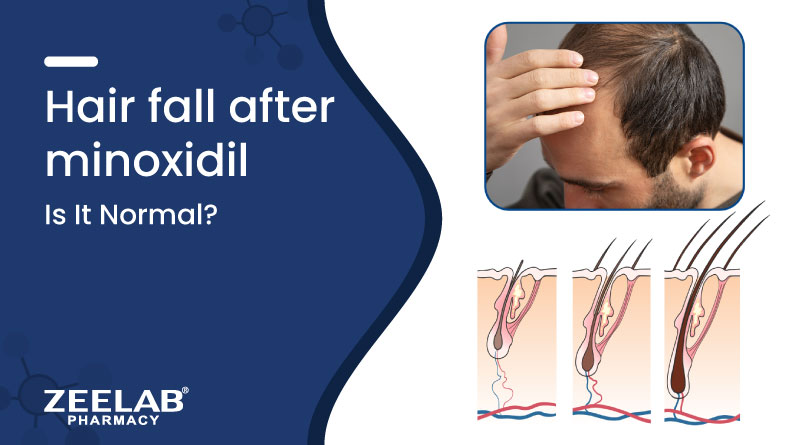
Credit: zeelabpharmacy.com
How Long Does Minoxidil Shedding Last?
Most people experience shedding for about 2-8 weeks. For some, it may continue up to 12 weeks. After this period, the shedding slows down and new hair starts to grow.
Here’s a data table summarizing the typical timeline:
| Shedding Phase | Duration | What to Expect |
|---|---|---|
| Initial Shedding | 2–8 weeks | Increased hair loss |
| Transition Phase | 8–12 weeks | Shedding slows, new growth appears |
| Growth Phase | 12+ weeks | Stronger, thicker hairs |
What Should You Do During The Shedding Phase?
It’s tempting to stop using minoxidil when you see more hair falling out. But this is usually a mistake. Stopping minoxidil during the shedding phase can lead to more hair loss and wasted progress.
Instead, follow these steps:
- Stay consistent: Apply minoxidil every day as directed.
- Be patient: Remember that shedding is temporary and new hair will grow.
- Monitor progress: Take photos every 4 weeks to compare results.
- Avoid other hair products: Some shampoos and styling gels can irritate the scalp.
- Talk to a dermatologist: If shedding lasts more than 12 weeks or you see scalp irritation, ask a professional.
Common Mistakes And Misunderstandings
Many beginners worry that minoxidil is making their hair loss worse. Others believe that shedding means the treatment failed. Here are two mistakes you should avoid:
- Stopping treatment too soon: Most people see the best results after 4–6 months.
- Switching products during shedding: Changing brands or formulas can confuse your scalp and delay progress.
Another insight: Some users don’t realize minoxidil works best for recent hair loss. If you’ve been losing hair for many years, results may be slower and shedding could be heavier.
Real Data And Success Examples
A clinical study published in the Journal of the American Academy of Dermatology showed that:
- After 4 months of minoxidil use, 60% of users had new hair growth.
- Only 10% saw no improvement.
- The shedding phase lasted an average of 6 weeks.
This proves that shedding is part of the process—not a failure.
Here’s a quick comparison table of minoxidil results vs placebo:
| Group | Shedding Phase | Hair Regrowth |
|---|---|---|
| Minoxidil Users | 2–8 weeks | 60% see new hair |
| Placebo Group | No shedding | 10% see new hair |

Credit: hairgp.co.uk
Practical Tips For Managing Minoxidil Shedding
You don’t have to feel helpless during the shedding phase. Try these simple tips:
- Use a gentle shampoo to keep your scalp clean.
- Avoid heat styling or harsh chemicals.
- Massage your scalp to increase blood flow.
- Eat a balanced diet with protein and vitamins.
A non-obvious tip: Don’t brush your hair too hard during the shedding phase. Gentle handling reduces breakage.
Frequently Asked Questions
How Much Hair Loss Is Normal During The Minoxidil Shedding Phase?
Most users lose about 50–100 extra hairs per day during shedding. If you see more, don’t panic unless it continues for over 12 weeks.
Can Minoxidil Shedding Cause Permanent Hair Loss?
No. Shedding is temporary and makes room for new, stronger hairs. Permanent hair loss is very rare with proper use.
Should I Stop Minoxidil If I See Shedding?
No. Shedding is a positive sign. Stopping minoxidil during this phase can reverse progress and lead to more hair loss.
How Can I Tell If Minoxidil Is Working?
Look for new short hairs (called “baby hairs”) around your hairline and crown after 2–3 months. Take monthly photos to track changes.
Is The Minoxidil Shedding Phase The Same For Men And Women?
Shedding happens for both men and women, but women may notice it less because their hair loss pattern is different. Both can expect new growth after the phase.
If you still have doubts, you can check detailed clinical studies on minoxidil from Wikipedia.
The minoxidil shedding phase may feel worrying, but it’s actually a sign that your treatment is working. Stay patient, follow the steps above, and watch for new growth. With time, you’ll see stronger, healthier hair.

Credit: www.reddit.com