
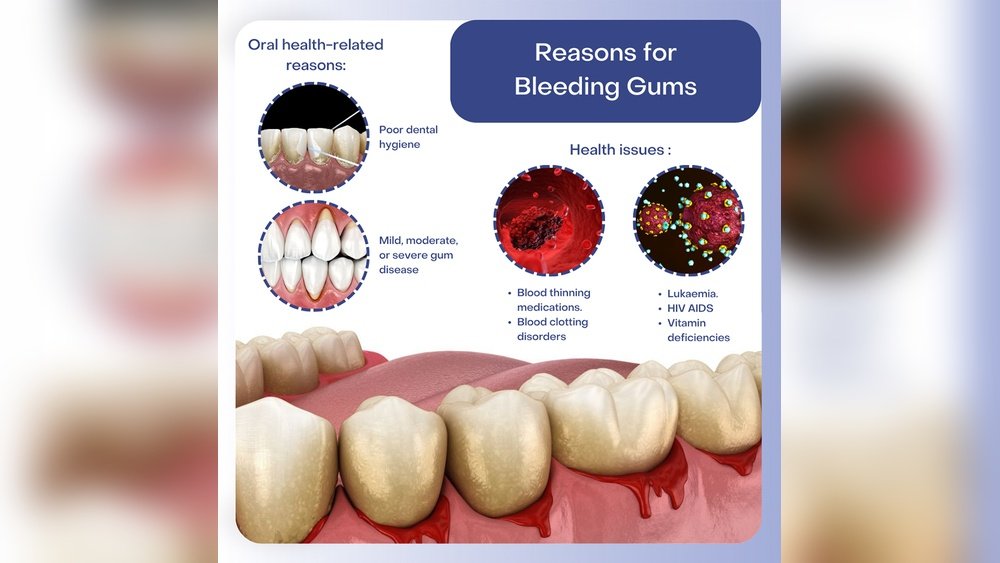
Bleeding gums can feel scary and uncomfortable. Many people notice blood when brushing or flossing but ignore the problem. In fact, bleeding gums are often a sign that something is wrong with your mouth or even your overall health. If you want to keep your teeth strong and your smile healthy, it’s important to understand why gums bleed and how to stop it for good.
What Causes Bleeding Gums?
Bleeding gums have several causes, some mild and others more serious. It’s not just about brushing too hard. Let’s look at the most common reasons:
Gum Disease
The main cause is gum disease. There are two stages:
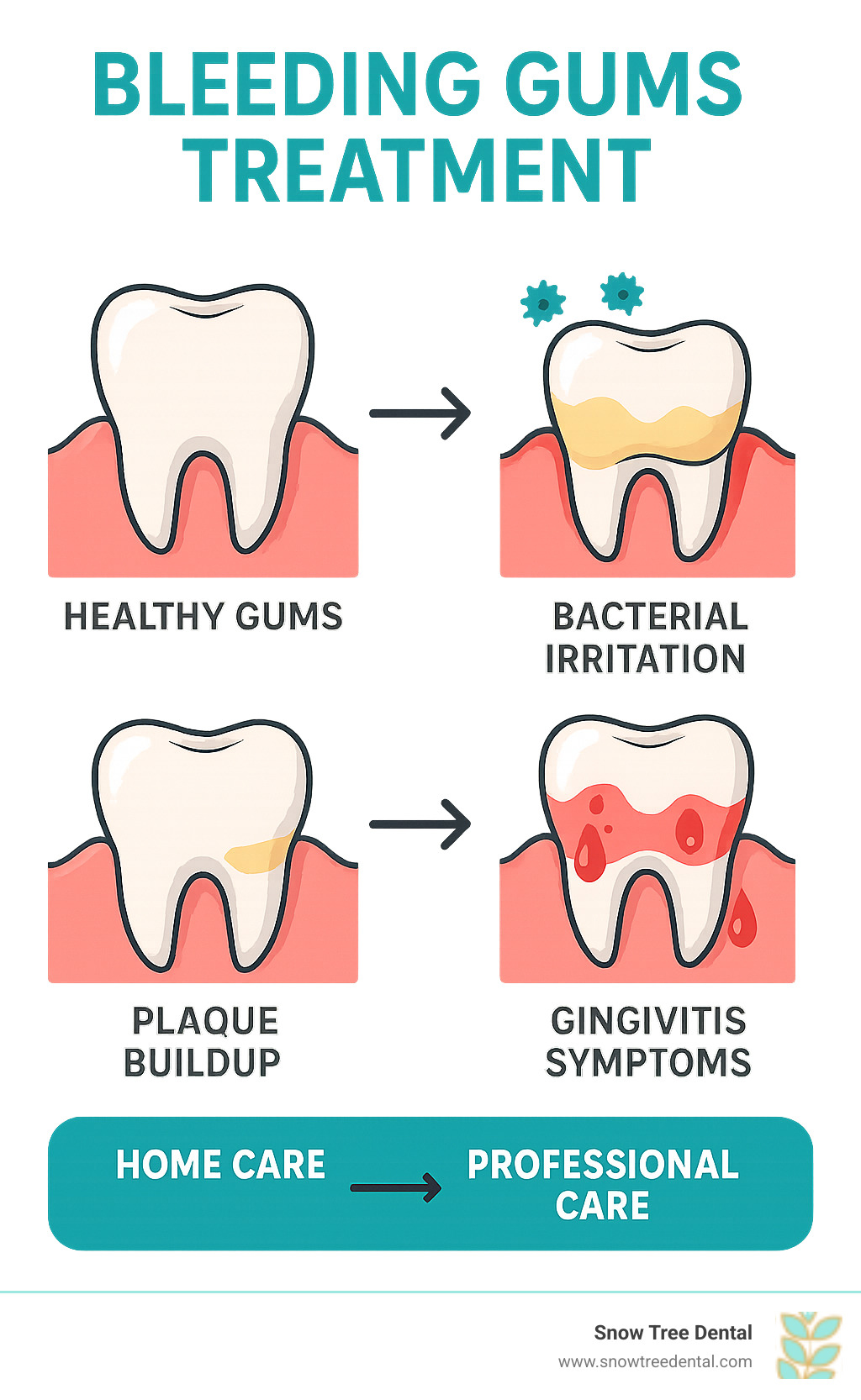
- Gingivitis: The gums get red, swollen, and bleed easily. Plaque builds up along the gum line. This is very common and often goes unnoticed.
- Periodontitis: If gingivitis isn’t treated, it becomes periodontitis. This stage damages the tissues and bone that support your teeth.
Here’s a comparison between gingivitis and periodontitis:
| Condition | Symptoms | Severity | Can Be Reversed? |
|---|---|---|---|
| Gingivitis | Red, swollen, bleeding gums | Mild | Yes |
| Periodontitis | Loose teeth, gum recession, persistent bleeding | Severe | No (damage remains) |
Poor Oral Hygiene
Not brushing or flossing enough lets plaque and bacteria build up. This irritates gums and causes bleeding.
Brushing Or Flossing Technique
Using a hard toothbrush or brushing too aggressively can injure gums. Flossing incorrectly may also cause bleeding.
Vitamin Deficiency
Lack of vitamin C makes gums weak and more likely to bleed. This is rare but can happen with poor diet.
Medical Conditions
Some conditions, like diabetes or blood disorders, affect gum health. Certain medications also cause bleeding.
Hormonal Changes
Pregnancy, menstruation, or menopause can make gums sensitive and prone to bleeding.
Smoking
Smoking damages gum tissue and hides early signs of bleeding, making problems worse.
Uncommon Causes
- Mouth ulcers
- Poorly fitting dental appliances
Most people overlook these, but they can cause bleeding too.
How To Stop Bleeding Gums
Stopping bleeding gums involves both daily habits and professional care. Here are steps that actually work:
Improve Oral Hygiene
Brush your teeth twice daily with a soft-bristled toothbrush. Floss once a day. Use gentle, circular motions to avoid hurting your gums.
Visit The Dentist Regularly
Professional cleanings remove plaque and tartar that you can’t reach. Dentists check for gum disease and give advice.
Check Your Technique
Ask your dentist or hygienist to show you the correct brushing and flossing methods. Many people use too much force or the wrong angle.
Eat A Balanced Diet
Get enough vitamin C from fruits and vegetables. Avoid too much sugar, which feeds bacteria.
Quit Smoking
Stopping smoking helps your gums heal and reduces further damage.
Treat Underlying Medical Conditions
If you have diabetes or blood disorders, follow your doctor’s advice. Managing your health helps your gums.
Use Antibacterial Mouthwash
Some mouthwashes reduce plaque and bacteria. Choose one recommended by your dentist.
Avoid Common Mistakes
- Using a toothbrush that’s too hard
- Forgetting to floss daily
- Ignoring bleeding, thinking it will go away
Here’s a quick comparison of toothbrush types for gum health:
| Type | Effect on Gums | Recommended For |
|---|---|---|
| Soft Bristles | Gentle, prevents injury | Everyone, especially sensitive gums |
| Medium Bristles | Can cause irritation | Normal gums |
| Hard Bristles | May damage gums | Not recommended |

Credit: fitzwilliamdental.co.uk
When To See A Dentist
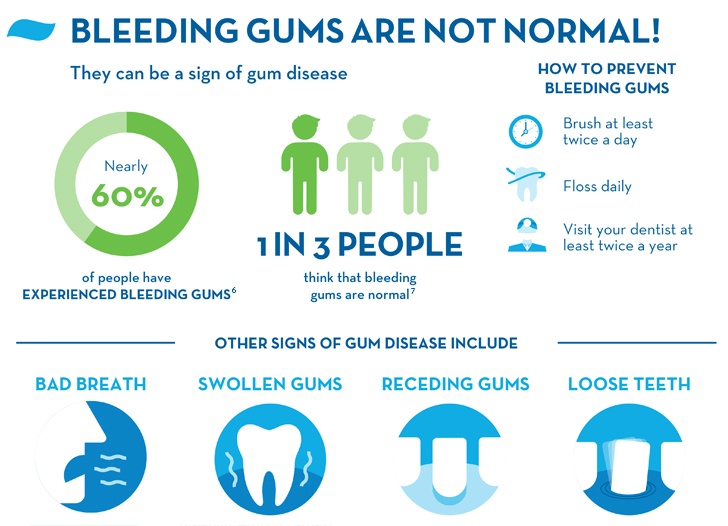
If your gums bleed for more than one week, or you notice swelling, pain, or loose teeth, make an appointment. Early treatment prevents serious problems.
Some signs that need urgent attention:
- Bleeding gums with pain
- Gums pulling away from teeth
- Bad breath that doesn’t go away
Your dentist may recommend a deep cleaning, special mouthwash, or medicine. Sometimes, gum disease needs more advanced care.
Surprising Insights Most Beginners Miss
- Bleeding isn’t normal: Many people believe it’s okay for gums to bleed a little. This is false. Healthy gums don’t bleed.
- Flossing helps, not hurts: People think flossing causes bleeding, but skipping flossing is what leads to gum disease. Bleeding when you start flossing means your gums need healing, not that flossing is bad.
- Stress affects gum health: High stress levels weaken your immune system, making it harder for gums to fight infection.
- Mouthwash isn’t a substitute: Mouthwash helps, but it can’t replace brushing and flossing.
Credit: www.snowtreedental.com
Data: How Common Are Bleeding Gums?
According to the CDC, nearly 47% of adults over 30 have some form of gum disease. In younger people, about 30% report bleeding gums when brushing. This shows gum health is a widespread problem.
Here’s a quick overview:
| Age Group | Bleeding Gums (%) | Gum Disease (%) |
|---|---|---|
| 18-29 | 30% | 10% |
| 30-49 | 40% | 47% |
| 50+ | 50% | 60% |
Frequently Asked Questions
Why Do My Gums Bleed When I Brush?
Most often, this happens due to plaque buildup and early gum disease. It can also be caused by brushing too hard. Switch to a soft brush and improve your brushing technique.
Can Bleeding Gums Heal On Their Own?
Mild bleeding gums can heal with better oral hygiene. But if bleeding continues, it’s important to see a dentist. Ignoring the problem can lead to worse disease.
Are Bleeding Gums Linked To Other Health Issues?
Yes. Conditions like diabetes and heart disease are connected to gum health. Bleeding gums can signal wider health problems.
Is It Safe To Floss If My Gums Bleed?
Yes, it’s safe and recommended. Bleeding usually means your gums need healing. Regular flossing will help gums get stronger over time.
Which Foods Help Prevent Bleeding Gums?
Foods rich in vitamin C like oranges, strawberries, and bell peppers help keep gums healthy. Also, leafy greens and nuts support gum tissue.
Bleeding gums are more than just a minor problem. They can lead to tooth loss and affect your overall health. With the right habits and regular dental care, you can stop bleeding gums and protect your smile for years to come. If your gums bleed often or don’t improve, don’t wait—get professional help. For more information, visit the CDC Oral Health website.
Credit: ca.crest.com