
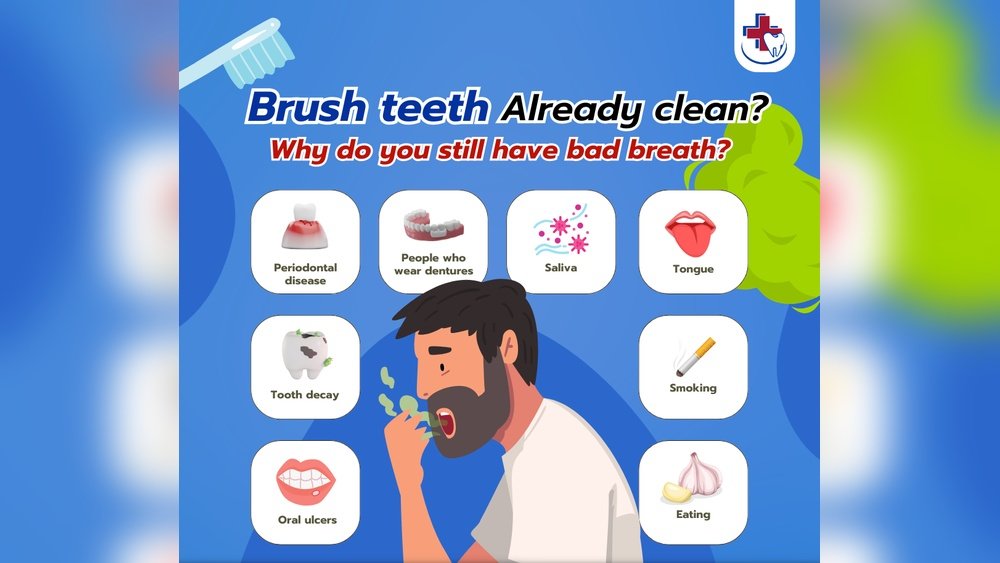
Bad breath can be embarrassing and frustrating, especially when you brush your teeth regularly. You expect your mouth to feel fresh, but sometimes the smell returns soon after brushing. If you wonder, “Why do I still have bad breath after brushing?”, you’re not alone. Millions of people face this problem every day. Understanding the reasons behind persistent bad breath will help you find a real solution instead of just masking the odor.
Common Causes Of Bad Breath After Brushing
You might think brushing is enough, but bad breath can come from places toothbrushes don’t reach or from health problems. Let’s look at the most frequent reasons:
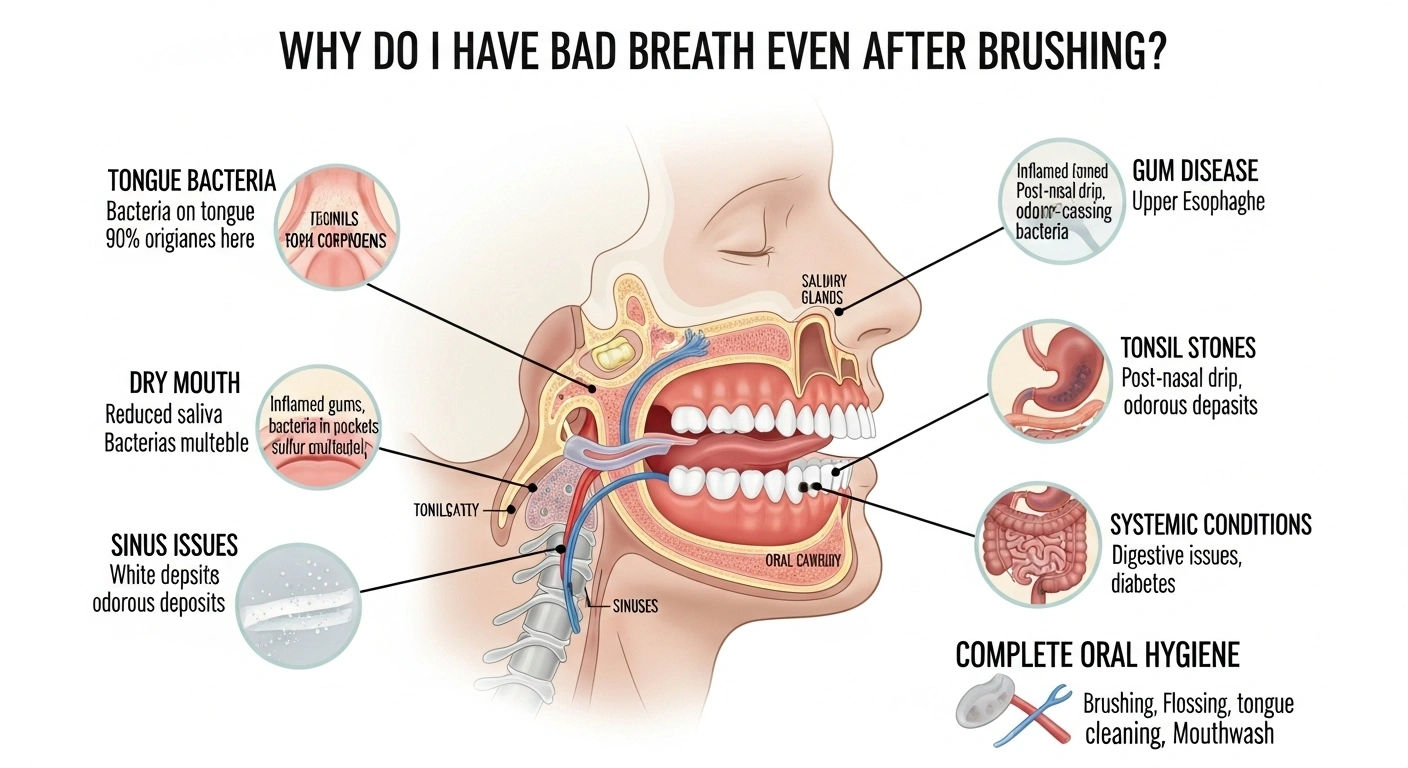
- Tongue bacteria: The tongue traps bacteria and food particles. Brushing teeth alone misses most of them. These bacteria produce smelly sulfur compounds.
- Dry mouth: Saliva washes away food and bacteria. If your mouth is dry, odor builds up. Common causes are mouth breathing, some medications, and dehydration.
- Gum disease: Infection in gums (like gingivitis or periodontitis) creates a bad smell. Even after brushing, bacteria below the gumline remain.
- Dental issues: Cavities, old fillings, or poorly fitting crowns can trap food and bacteria.
- Diet: Foods like garlic, onions, or spicy dishes leave strong smells in your mouth and bloodstream.
- Medical conditions: Problems such as sinus infections, acid reflux, or diabetes may cause persistent bad breath.
Here’s a quick comparison of causes and symptoms:
| Cause | Common Symptoms | Can Brushing Help? |
|---|---|---|
| Tongue bacteria | White or yellow coating, bad taste | No, needs tongue cleaning |
| Dry mouth | Sticky feeling, cracked lips | No, needs more saliva |
| Gum disease | Bleeding gums, swelling | No, needs professional treatment |
| Dental issues | Pain, visible damage | No, needs dental care |
| Diet | Strong mouth odor | Partially, odor may remain |
How To Tell If Your Bad Breath Is Not From Teeth
Sometimes, brushing doesn’t work because the odor is coming from other places. You can check this yourself:
- Smell your tongue after scraping it.
- Check for swollen gums or bleeding when flossing.
- Notice if your mouth feels dry or sticky.
- Ask someone you trust for honest feedback.
A practical tip: If your breath smells bad after brushing and flossing, it’s likely from your tongue, throat, or health issues.
Credit: newgisbornedentalhouse.com.au
The Role Of The Tongue And Saliva
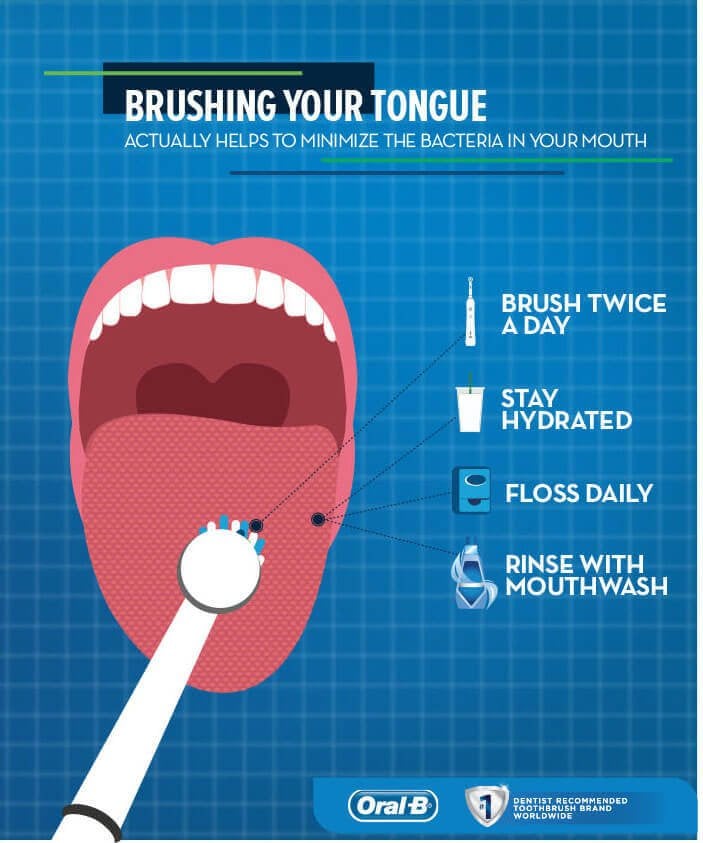
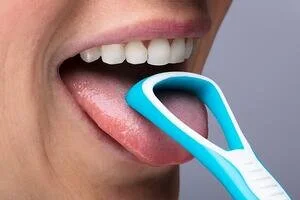
Many people don’t realize the tongue is the main source of bad breath. The tongue’s rough surface holds bacteria that produce smelly gases. Cleaning your tongue with a scraper or toothbrush can remove up to 80% of odor-causing bacteria.
Saliva is also important. It washes away particles and neutralizes acids. When your mouth is dry, bacteria multiply faster, and breath smells worse. Chewing gum or drinking water can help boost saliva.
Here’s a simple comparison:
| Area | Odor Risk | How to Clean |
|---|---|---|
| Teeth | Low if brushed well | Brush twice daily |
| Tongue | High | Scrape or brush daily |
| Gums | Medium to high | Floss, use mouthwash |
| Throat | Medium | Stay hydrated |
Practical Steps To Fix Bad Breath
If brushing isn’t enough, try these steps:
- Clean your tongue: Use a tongue scraper or your toothbrush after brushing.
- Floss daily: Food gets stuck between teeth and causes odor.
- Use mouthwash: Antibacterial mouthwashes can kill bacteria, but avoid ones with alcohol (they cause dryness).
- Drink water: Stay hydrated to increase saliva.
- Chew sugar-free gum: Helps with saliva and masks odor.
- Visit your dentist: Regular checkups catch gum disease and dental problems early.
- Check your diet: Reduce foods that cause strong smells, like garlic and onions.
If you try all these and still have bad breath, talk to your doctor. Medical problems like sinus infections or stomach issues can cause odor that brushing won’t fix.
Credit: www.amddentalclinic.com
Surprising Mistakes Beginners Make
Many people miss two important things:
- Ignoring the tongue: Most brush only their teeth, but forget the tongue, which holds most bacteria.
- Using mouthwash incorrectly: Swishing mouthwash for a few seconds isn’t enough. It should be used for at least 30 seconds and reach the back of the mouth.
Data On Bad Breath
Studies show that over 50% of adults have bad breath at some point. In one research, about 90% of cases were linked to the mouth, mainly the tongue and gums. Only about 10% come from other health conditions.
For more in-depth information about halitosis, you can check Mayo Clinic.
Credit: www.smilesbybergendental.com
Frequently Asked Questions
Why Does My Breath Smell Bad Even After Brushing And Flossing?
Brushing and flossing clean teeth, but bacteria on the tongue and in the throat can still cause bad breath. Dry mouth and gum disease may also be the source.
Can Certain Foods Cause Bad Breath Even After Brushing?
Yes. Foods like garlic and onions release strong-smelling compounds that linger in the mouth and bloodstream, causing bad breath for hours.
Is Mouthwash Enough To Cure Bad Breath?
Mouthwash can help, but it’s not a cure. If you don’t clean your tongue or have gum disease, mouthwash alone won’t fix the problem.
How Often Should I Clean My Tongue?
It’s best to clean your tongue once or twice daily. Use a scraper or your toothbrush gently, avoiding too much pressure.
When Should I See A Dentist Or Doctor For Bad Breath?
If your bad breath doesn’t improve after brushing, flossing, and tongue cleaning, or if you notice bleeding gums, pain, or dry mouth, schedule a dental or medical checkup.
Bad breath after brushing can be stubborn, but knowing the real causes helps you tackle the problem. Focus on cleaning your tongue, staying hydrated, and checking your gums. With a few changes, you’ll feel more confident and enjoy fresher breath every day.