
Yes—coconut oil can support hair growth by reducing breakage and dryness.
You want longer, thicker hair, but daily life gets in the way. Heat styling fries your ends. Tight ponytails pull at your roots. You shed more in the shower than you like to admit. I have been there. That is why I lean on coconut oil. It is simple, gentle, and proven to help hair hold on to its proteins. It keeps strands from snapping before they reach their full length. Below, I review top picks and share how to use them for real results. If you want a practical path to stronger, longer hair, this guide is for you.
Handcraft Blends Fractionated Coconut Oil, 16 oz

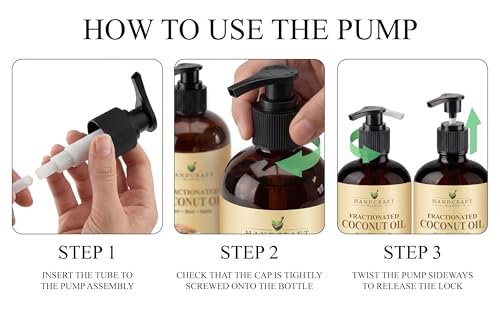
This fractionated coconut oil is light, fast, and clean. It stays liquid year-round, so it is easy to use and easy to blend. I like it as a daily hair oil because it sinks in without leaving a greasy film. It also works well for scalp massage, which supports circulation and can help with shedding due to stress or styling.
The bottle is simple and sturdy, and the pump makes it mess-free. It has no strong scent, which is great if you hate heavy fragrances. As a carrier oil, it pairs well with rosemary, peppermint, or tea tree for targeted scalp care. For coconut oil for hair growth routines, this is a flexible and budget-friendly base.
Pros:
- Lightweight feel that absorbs fast and does not weigh hair down
- Stays liquid in cool rooms for easy use and mixing
- Great as a carrier for essential oils on the scalp
- Non-greasy finish that suits fine and medium hair
- Pump top helps control dosing and avoid spills
- Neutral scent that will not clash with other products
Cons:
- Not “virgin” or aromatic; lacks that fresh coconut scent
- Less occlusive than unrefined oil for very coarse hair
- Some users may prefer a glass bottle over plastic
My Recommendation
Pick this if you want a simple, daily oil that you can use in many ways. It shines for scalp massage and as a pre-styling serum. If you are building a coconut oil for hair growth routine, start here. Add a few drops of rosemary oil if your scalp is oily or prone to flaking. Use it three nights a week and shampoo in the morning if you need a clean finish. The value is strong and the texture is easy for beginners.
| Best for | Why |
| Daily scalp massage | Lightweight and non-greasy; spreads easily |
| Fine or normal hair | Does not weigh down roots or leave buildup |
| DIY blends | Ideal carrier oil for rosemary or peppermint |
Viva Naturals Organic Coconut Oil, 16 oz

This is unrefined, cold-pressed, and extra virgin. It is aromatic and rich, and it melts on contact with the skin. I reach for it when my ends feel straw-like. Research shows coconut oil can reduce protein loss from hair. That is key when you want to grow hair longer without frayed tips.
I use it as a pre-shampoo mask. I warm a teaspoon between my palms and coat mid-lengths and ends. For thick hair, I add a touch to the scalp and massage for five minutes. In a coconut oil for hair growth plan, this version is ideal for deep, weekly treatments and for braids or twist-outs that need extra slip.
Pros:
- Unrefined and cold-pressed to keep more natural compounds
- Rich lauric acid content that penetrates the hair shaft
- Great for pre-shampoo masks to reduce breakage
- Aromatic coconut scent many people love
- Multi-use: cooking, skin care, and hair care
- Good value per ounce with a trusted brand
Cons:
- Solid at room temp in cooler homes; needs warming
- Can feel heavy on fine hair if overused
- Scent may be too strong for scent-sensitive users
My Recommendation
Choose Viva Naturals if you want a classic, rich, unrefined oil for deep repair. It is perfect for thick, curly, or high-porosity hair. It locks in moisture and adds shine. If your goal is coconut oil for hair growth, use it once or twice a week as a pre-wash mask. Keep it on for 30–60 minutes, then shampoo. You will see fewer split ends over time, which helps hair hold length.
| Best for | Why |
| Deep repair masks | Unrefined richness reduces protein loss |
| Curly or coily hair | High slip and shine; tames frizz |
| Overnight oiling | Occlusive and nourishing for dry ends |
Amazon Grocery Organic Virgin Coconut Oil, 15 oz

This is a straightforward jar of organic virgin coconut oil. It has a mild, pleasant coconut aroma and a creamy texture when warmed. For hair care, it behaves like other high-quality virgin oils. It coats strands, reduces friction, and helps keep hair from chipping with everyday wear.
I like it as a family-size pick that works for hair, skin, and cooking. If you are new to oiling, this is an easy entry point. Use a pea-sized amount per section to avoid overdoing it. In a coconut oil for hair growth routine, it suits weekly masks and protective styles that need moisture and sheen.
Pros:
- Organic virgin oil with a clean, mild scent
- Multi-purpose value for home use
- Smooth melt and spread for easy application
- Works for pre-wash and post-wash on ends
- Good price point for larger households
Cons:
- Solid in cool rooms; needs softening before use
- Jar packaging means you dip in; use a clean spoon
- Can feel heavy if applied at the roots on fine hair
My Recommendation
Buy this if you want a versatile jar that does it all without fuss. It is ideal for budget-minded shoppers who still want quality. For coconut oil for hair growth, focus on your mid-lengths and ends, and massage a little into your scalp once or twice a week. If you style with heat, use it as a pre-wash layer to shield from damage. The jar format also makes mixing with honey or aloe easy for DIY masks.
| Best for | Why |
| Budget-friendly routines | Affordable and multi-use across home needs |
| Weekly masks | Creamy texture coats and protects strands |
| Protective styles | Adds slip and shine for braids and twists |
OGX Coconut Miracle Oil Hair Treatment, 3.3 oz
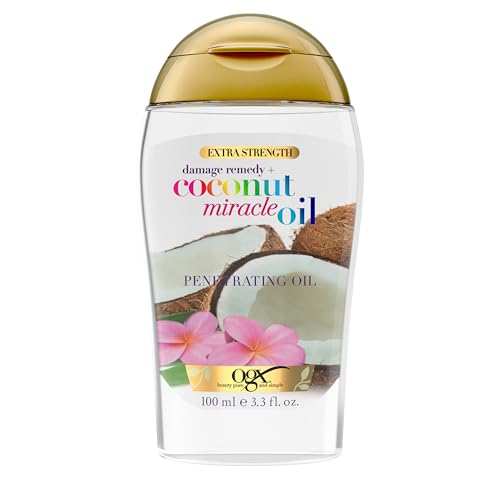
This product blends coconut oil with other smoothing agents to tame frizz. It is made for coarse, dry hair that needs a quick gloss. A few drops on damp hair can cut down on roughness and keep ends neat. That helps hair look longer and healthier between cuts.
It is paraben-free and free from sulfated surfactants. The scent is tropical and strong, which many fans enjoy. It works best as a finishing oil or overnight tip treatment. In a coconut oil for hair growth plan, use it to seal in moisture after a hydrating leave-in.
Pros:
- Great frizz control for coarse or very dry hair
- Leaves a glossy, smooth finish that lasts
- Paraben-free and sulfated-surfactants free formula
- Nice slip for detangling ends
- Small bottle is travel-friendly and easy to dose
Cons:
- Fragrance may be too strong for some users
- Can be heavy on fine hair if overapplied
- Not a pure oil; more of a finishing blend
My Recommendation
Reach for OGX if you need instant polish and smoother ends. This is not a scalp oil. It is a styling finisher. It keeps your ends from snagging on sweaters and coats, which supports length retention. If your goal is coconut oil for hair growth, pair this with a weekly pure oil mask. Use a drop or two on the last two inches of your hair to seal in hydration and stop split ends from traveling.
| Best for | Why |
| Coarse, frizzy hair | Strong smoothing and long-lasting shine |
| Finishing touch | Seals moisture and reduces friction |
| Travel or gym bag | Compact, leak-resistant bottle |
Handcraft Fractionated Coconut Oil + Rosemary, 8 oz

This blend adds rosemary to a lightweight fractionated base. Rosemary is a go-to essential oil for scalp care. Some small studies suggest it can support thicker-looking hair when used often. The scent is herbal and fresh, not too sharp.
I use this when my scalp feels dull or tight. I massage a small amount into the scalp for three to five minutes. Then I let it sit for 30 minutes before washing. In a coconut oil for hair growth routine, this is a smart pick for consistent, gentle stimulation.
Pros:
- Rosemary infusion adds scalp-friendly benefits
- Light texture that will not clog follicles
- Easy to apply before workouts or bedtime
- Clean herbal scent that fades after shampoo
- Helps reduce scalp dryness and tightness
- Good option for those who want pre-mixed blends
Cons:
- Not ideal for very scent-sensitive users
- Those with essential oil allergies should patch test
- Less occlusive than unrefined coconut for very dry ends
My Recommendation
Choose this if you want the benefits of rosemary without mixing your own. It is easy to use and easy to rinse. If you are focused on coconut oil for hair growth, use this blend three times a week. Keep your massage slow and gentle. Pair it with a deep conditioning mask on weekends for best results. For many users, the consistency and comfort make it a winner.
| Best for | Why |
| Scalp stimulation | Rosemary infusion supports a healthy scalp |
| Low-mess routines | Fractionated base absorbs fast |
| Beginner-friendly | Pre-mixed; no DIY steps needed |
Does coconut oil really help hair grow?
Hair “growth” has two parts. There is the scalp phase, where follicles grow hair. Then there is the length retention phase, where strands avoid breakage. Coconut oil helps most with retention. That is how you see longer hair over time.
Studies on lauric acid show it can enter the hair shaft and bind well to proteins. That means less protein loss during washing. Less loss equals stronger strands. Strong strands break less, so hair can reach a longer length before your next trim. Some people also find less frizz and more shine with regular use.
Coconut oil can also reduce what is called “hygral fatigue.” This is the swelling and shrinking hair does when it gets wet and then dries. Too much swelling causes cracks in the cuticle. Oil makes a flexible shield, so the strand swells less. Over months, that shield supports length.
As for the scalp, light oil massage can help. It improves local blood flow and may help relax tight tissue. A calm, clean scalp is more likely to grow thick, steady hair. Coconut oil for hair growth works best when paired with a gentle wash routine, a soft brush, and low heat styling.
How to use coconut oil for hair growth (step by step)
Start with a patch test on your inner arm. Wait 24 hours to rule out reactions. If your scalp is acne-prone, test a small spot near your hairline for a few days first. Always work with clean hands and tools.
For a pre-shampoo mask: Warm a half teaspoon of oil in your palms. Apply to mid-lengths and ends. For thick or curly hair, add a light layer to the scalp. Massage for three to five minutes. Clip hair up. Leave for 30–60 minutes. Shampoo twice with a gentle cleanser. Condition the ends.
For a scalp massage oil: Use fractionated or a light blend like rosemary-infused. Part hair in sections. Add a few drops to each part. Massage with fingertips or a scalp brush for two to three minutes. Leave on for 30 minutes or overnight. Cleanse in the morning if needed.
For a leave-in seal: After a water-based leave-in, rub a rice-grain amount of oil between your palms. Scrunch into the last two inches of your hair. This reduces friction and split ends. Do not apply heavy oil to the roots during the day.
Tips by hair type and concern
Fine, straight hair: Choose fractionated oil. Use tiny amounts. Focus on the ends. Wash as needed to prevent buildup.
Wavy or curly hair: Use unrefined oil for masks. Seal the ends after a hydrating cream. Sleep on a satin pillowcase to cut friction.
Coily or high-porosity hair: Use richer amounts. Layer oil over a water-based leave-in. Try overnight oiling once a week. Keep heat low and trims regular.
Flaky or oily scalp: Use rosemary-infused oil in small amounts. Massage, then wash out. Avoid thick layers on the scalp daily.
Common mistakes to avoid
Using too much: Start small. You can add more. It is hard to take it back without another wash.
Skipping shampoo: Oil can mix with dust and sweat. Cleanse with a mild shampoo. Focus on the scalp and rinse well.
Applying heavy oil before heat: Oil can “cook” on hot tools. Always heat style on clean, dry hair. Use a heat protectant.
Expecting overnight miracles: Hair growth is slow. Plan for 8–12 weeks of steady care to see changes. Track your progress with photos.
What to pair with coconut oil
Rosemary essential oil: A few drops in a carrier oil can support scalp comfort. Some small trials show a boost in thickness over months.
Aloe vera gel: Mix a little with coconut oil for a lighter mask. Good for itchy scalps and summer routines.
Honey: Add a teaspoon to unrefined oil for deep hydration. Great for very dry ends.
Silk scrunchies and satin bonnets: These reduce friction. When combined with oiling, they help keep ends intact.
When to be careful or skip
If you have folliculitis, active scalp psoriasis, or severe dandruff, talk to a dermatologist first. Oil can trap yeast or worsen buildup in some cases. If you have a coconut allergy, skip this oil. Try argan, jojoba, or squalane instead.
If you get acne around your hairline, avoid heavy oil on the scalp. Use a light, fractionated oil and rinse it out. Always patch test new blends with essential oils.
How I test coconut oils for hair growth
I judge by three things: slip and spread, rinse-out, and next-day feel. Slip tells me if it will help with detangling. Rinse-out tells me if I can remove it without harsh shampoo. Next-day feel tells me if it will build up or stay soft.
I also note scent, packaging, and how it performs under different weather. In winter, I look for more occlusion. In summer, I want lighter blends. Over 12 weeks, I track shed count in the shower and the number of split ends at trims. This is how I compare coconut oil for hair growth products in a real routine.
FAQs Of coconut oil for hair growth
How often should I use coconut oil for hair growth?
Two to three times per week is a good start. Use a pre-shampoo mask once a week. Do light scalp massage one to two more times as needed.
Can coconut oil clog hair follicles?
It can if overused or left on too long without washing. Use small amounts. Cleanse the scalp well. Choose fractionated oil if you are prone to buildup.
Will coconut oil make my hair fall out?
No. Shedding after oiling is usually from normal daily loss plus easier detangling. If shedding spikes or you see scalp irritation, stop and see a professional.
Can I leave coconut oil in overnight?
Yes, if your scalp tolerates it. Use a small amount. Protect your pillow with a towel. Shampoo in the morning.
What is better for hair growth: coconut oil or rosemary oil?
They do different jobs. Coconut reduces breakage. Rosemary may support scalp health. Many people use both together for better results.
Final Verdict: Which Should You Buy?
For simple daily care, choose Handcraft Blends Fractionated Coconut Oil. For deep weekly repair, I love Viva Naturals Organic Coconut Oil. If you want scalp support in one step, try Handcraft Fractionated Coconut Oil + Rosemary.
Use OGX Coconut Miracle Oil as your finishing gloss. Keep the Amazon Grocery Organic Virgin Coconut Oil in your pantry for multi-use. With steady use, coconut oil for hair growth helps you keep length and shine while you live your life.